

HSK 1Narrative5 minAudio
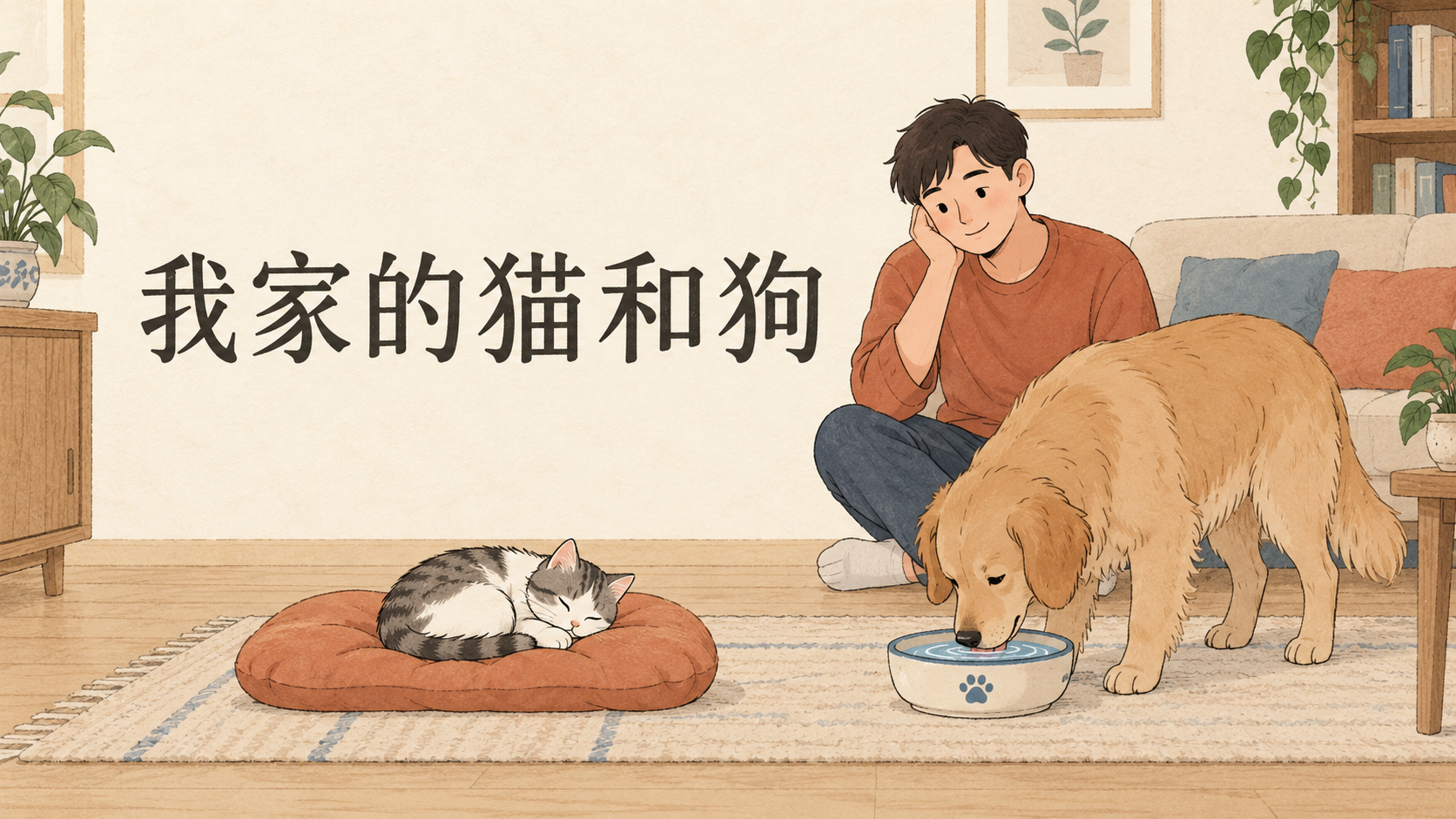
My Cat and Dog: Xiaolin and Xiaoyu
Introduce a pet and describe what it is doing right now.
Read short Chinese texts, study the language in context, then check your understanding.
164 stories
Introduce a pet and describe what it is doing right now.

Ask about age, identity and nationality
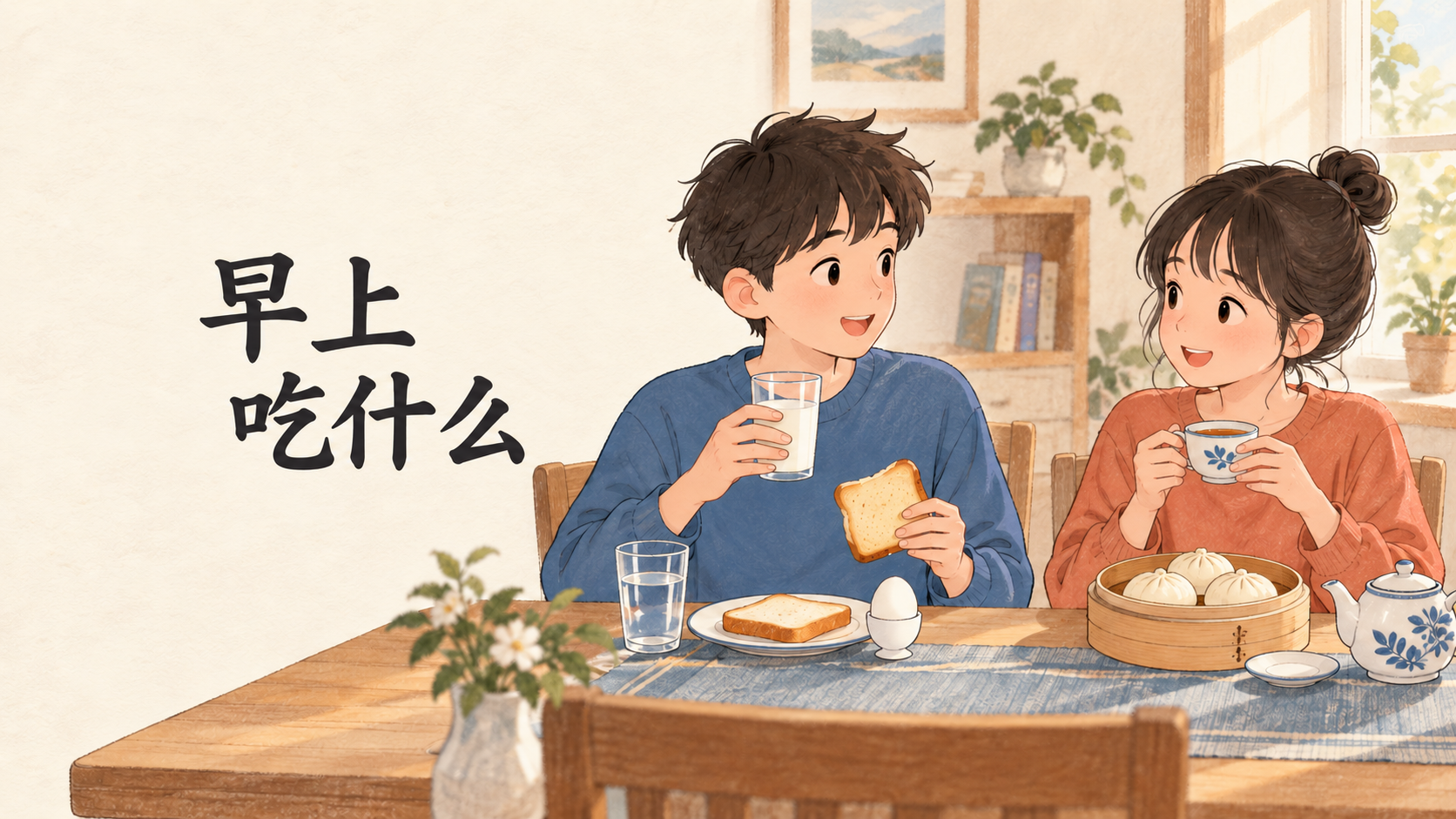
Asking and expressing breakfast and drink choices
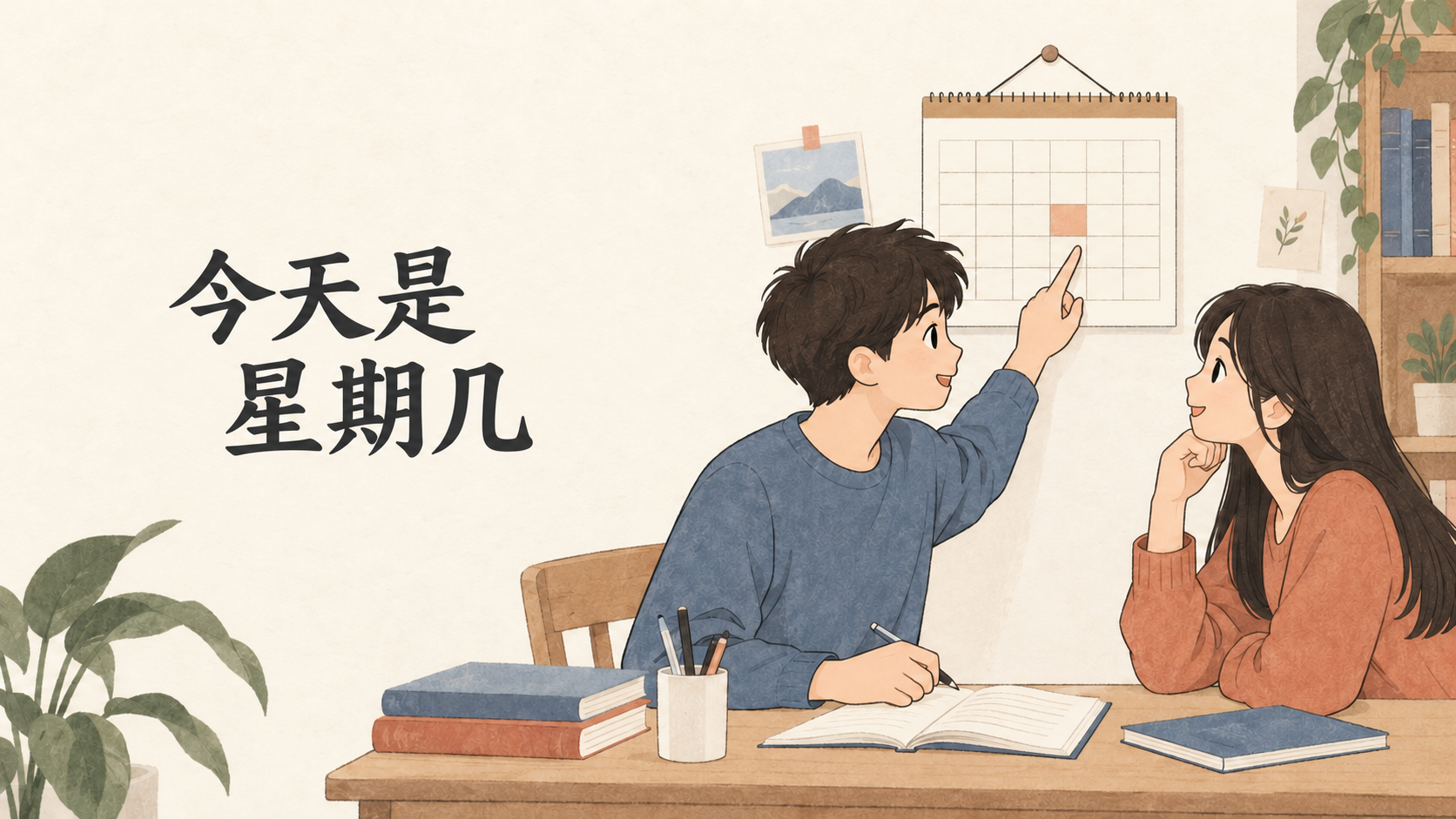
Ask and answer about weekdays, dates, and scheduling before/after

Identify and introduce classmates, teachers, and friends
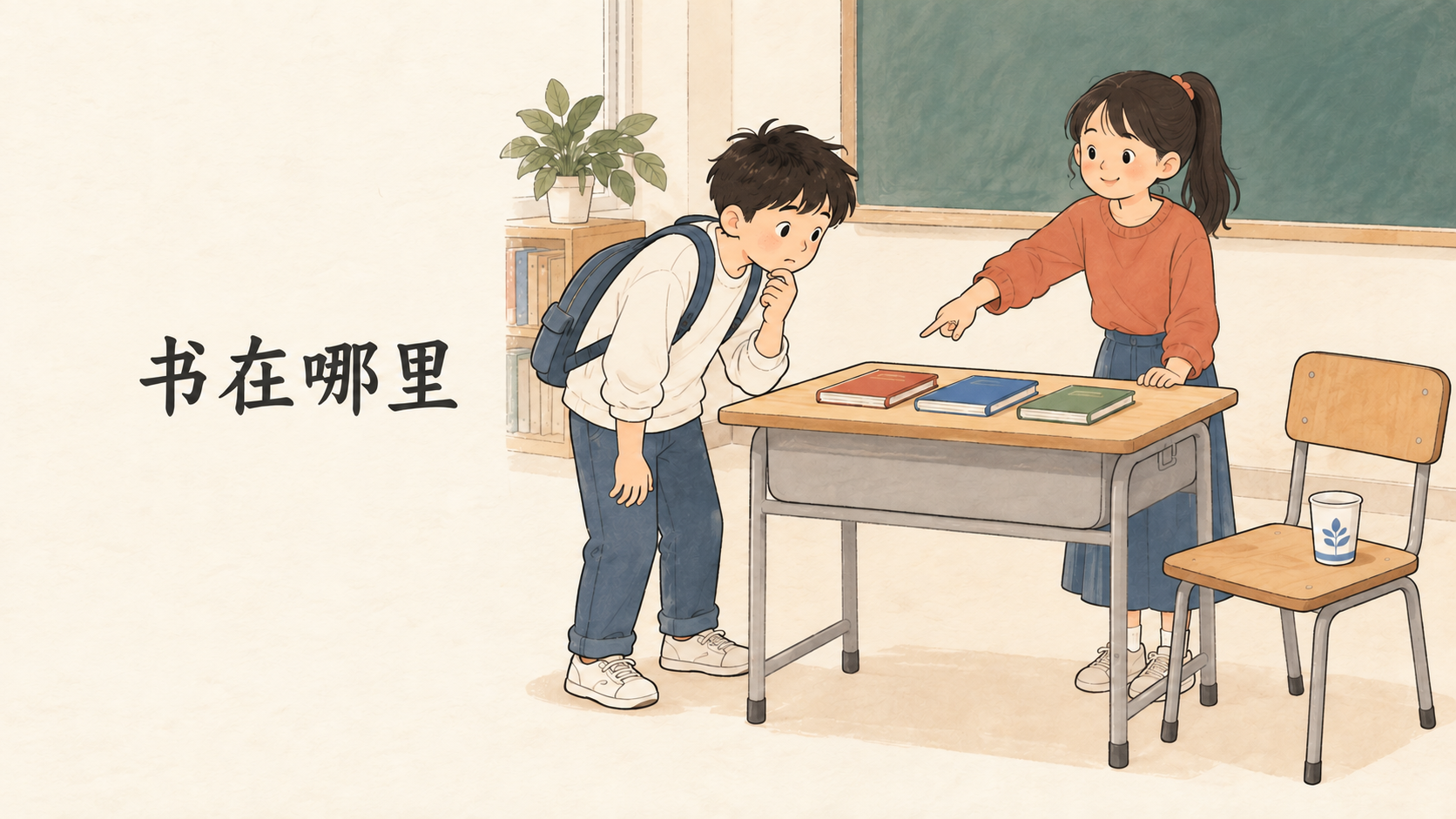
Ask and answer about the location of objects and people
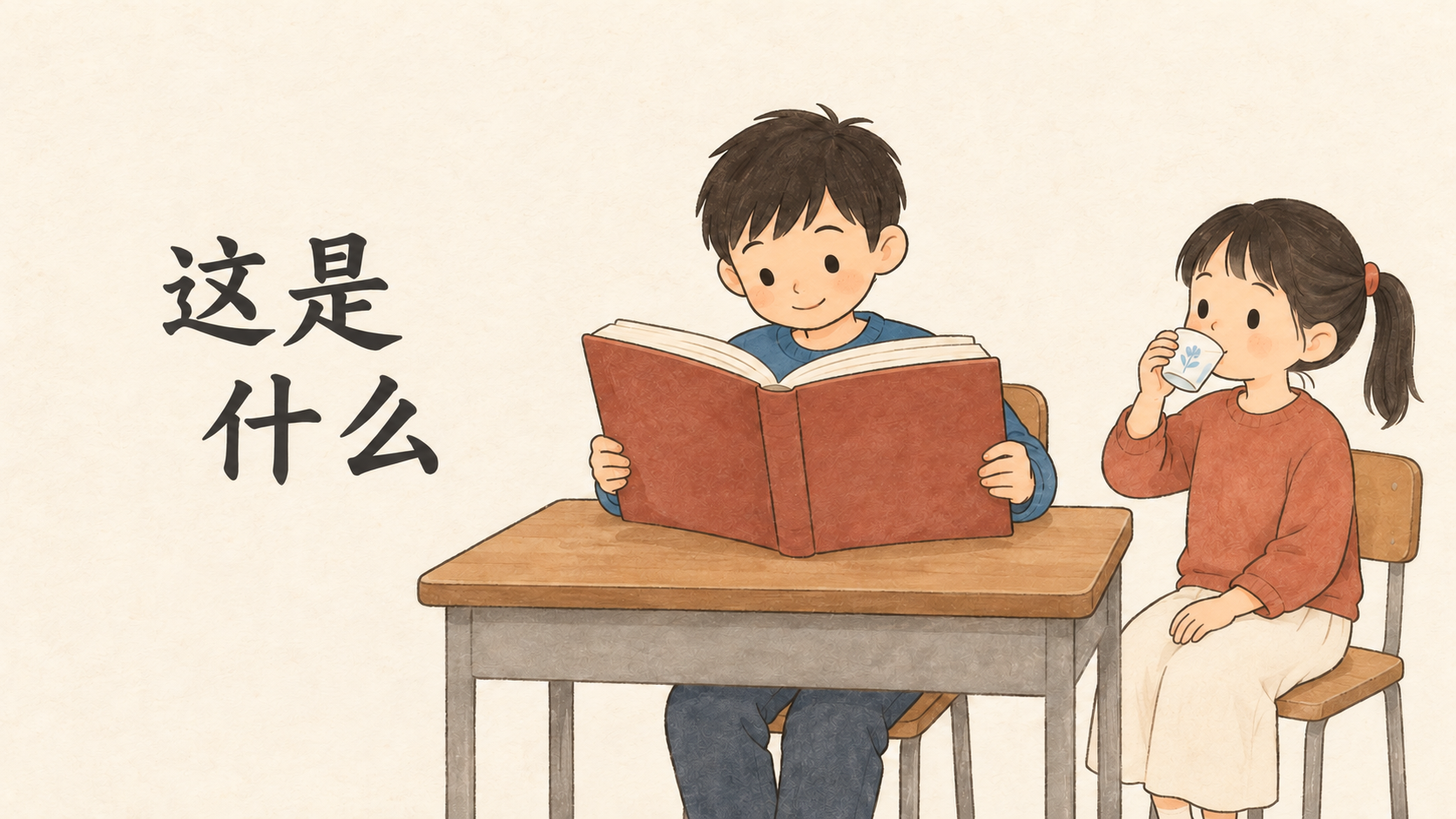
Identify classroom objects and compare their sizes

Ask and answer about the current time and activity duration
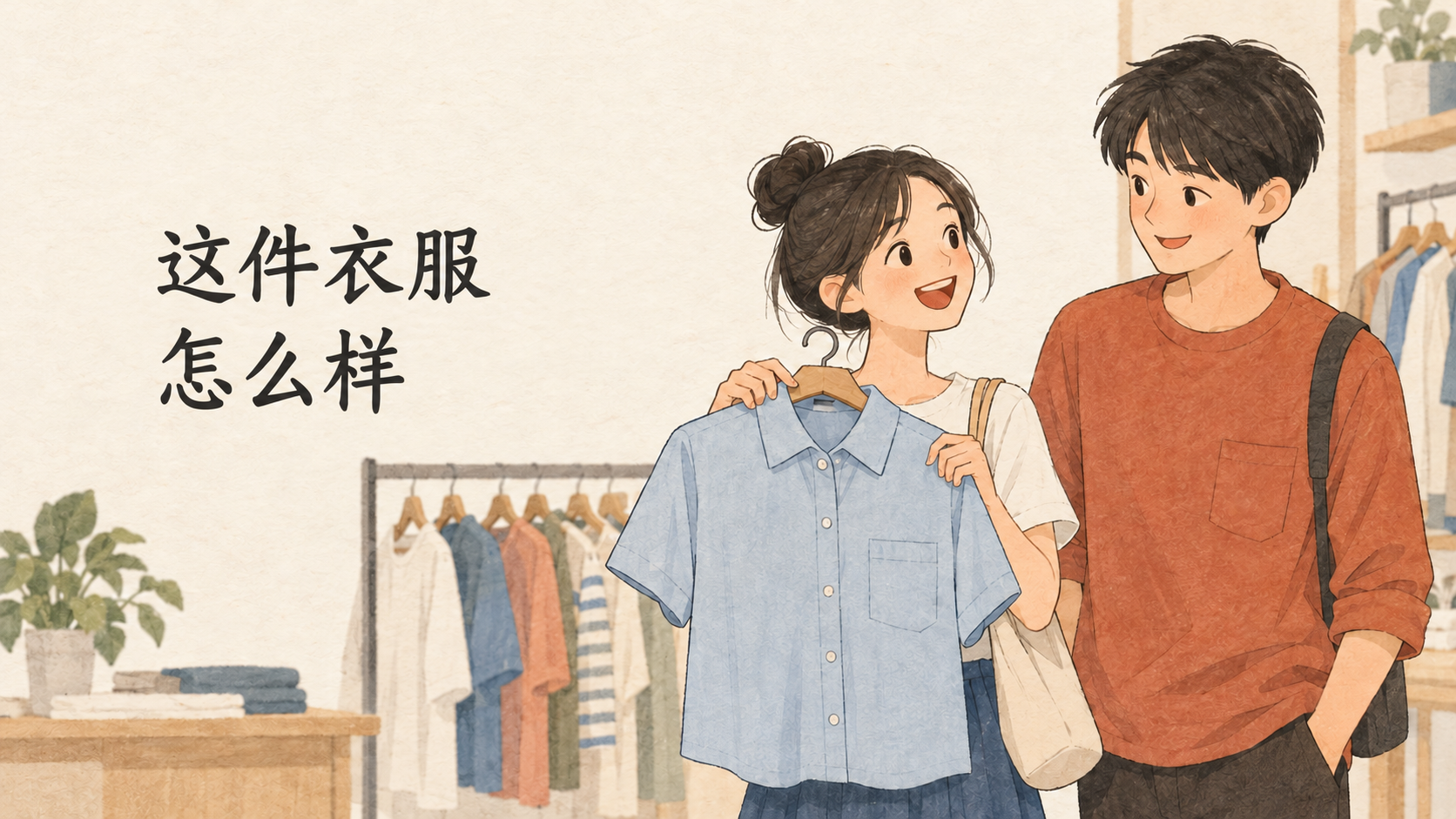
Choose clothes and express opinions
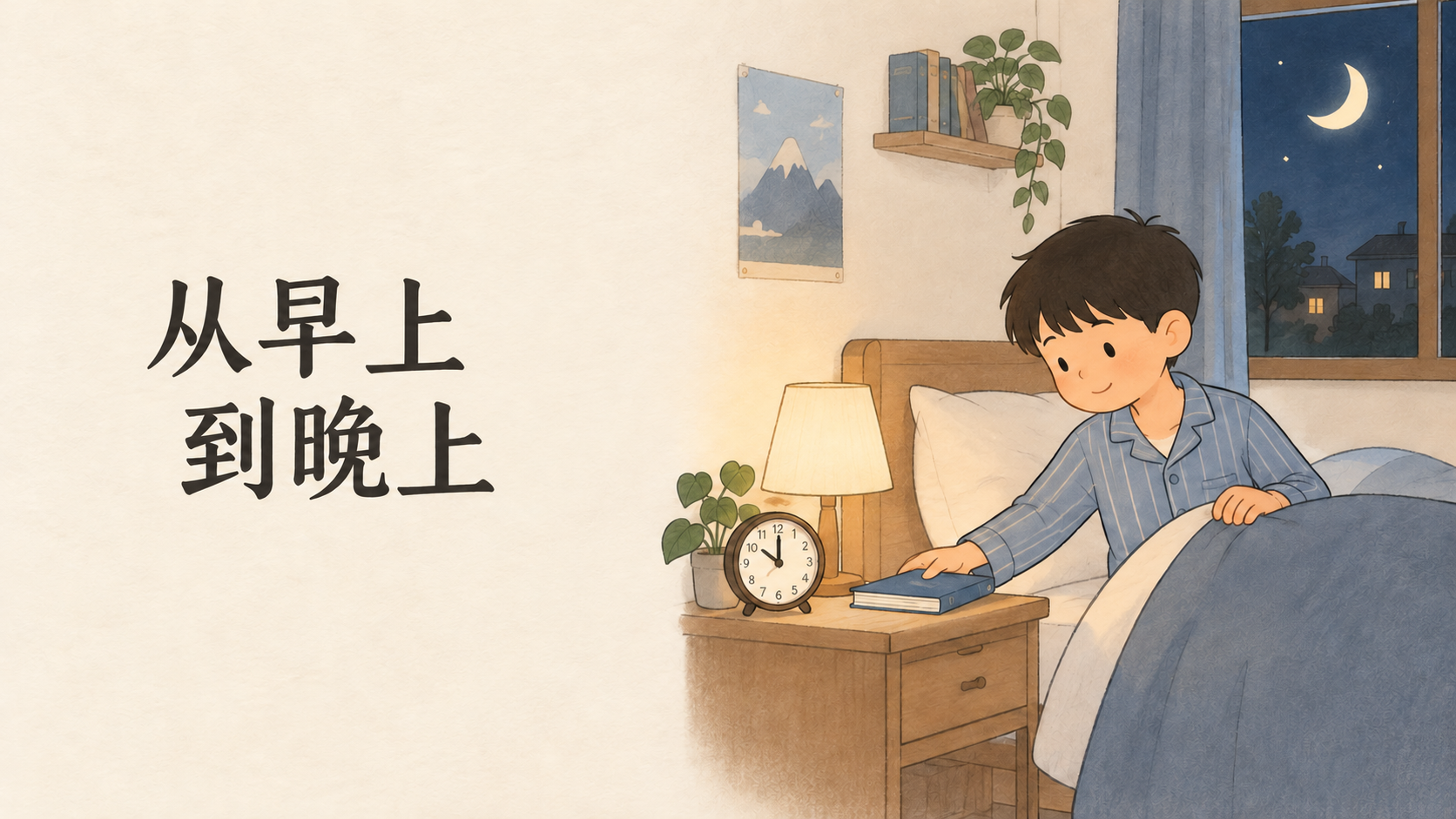
Describe your daily schedule
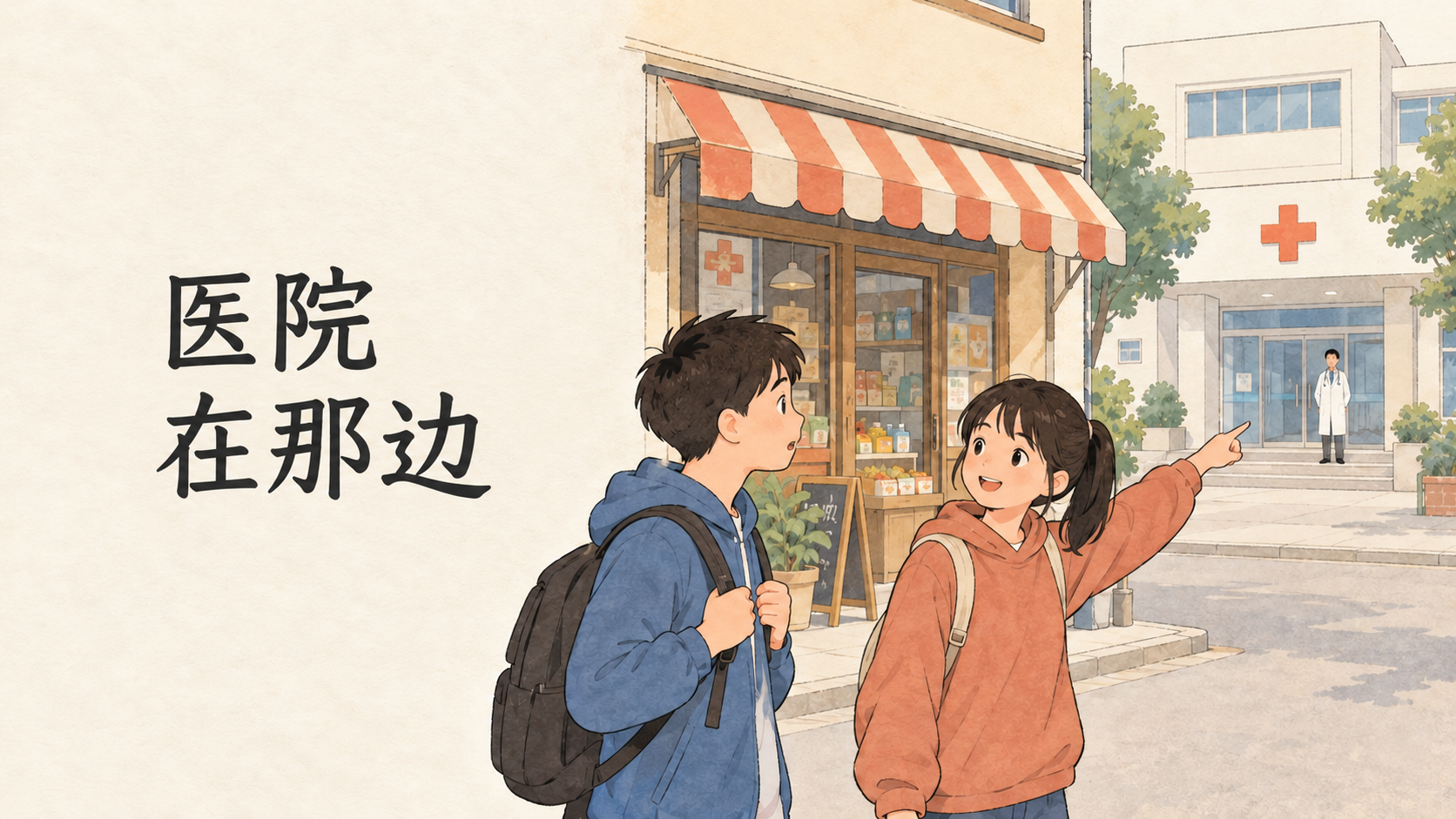
Ask for location and give simple directions
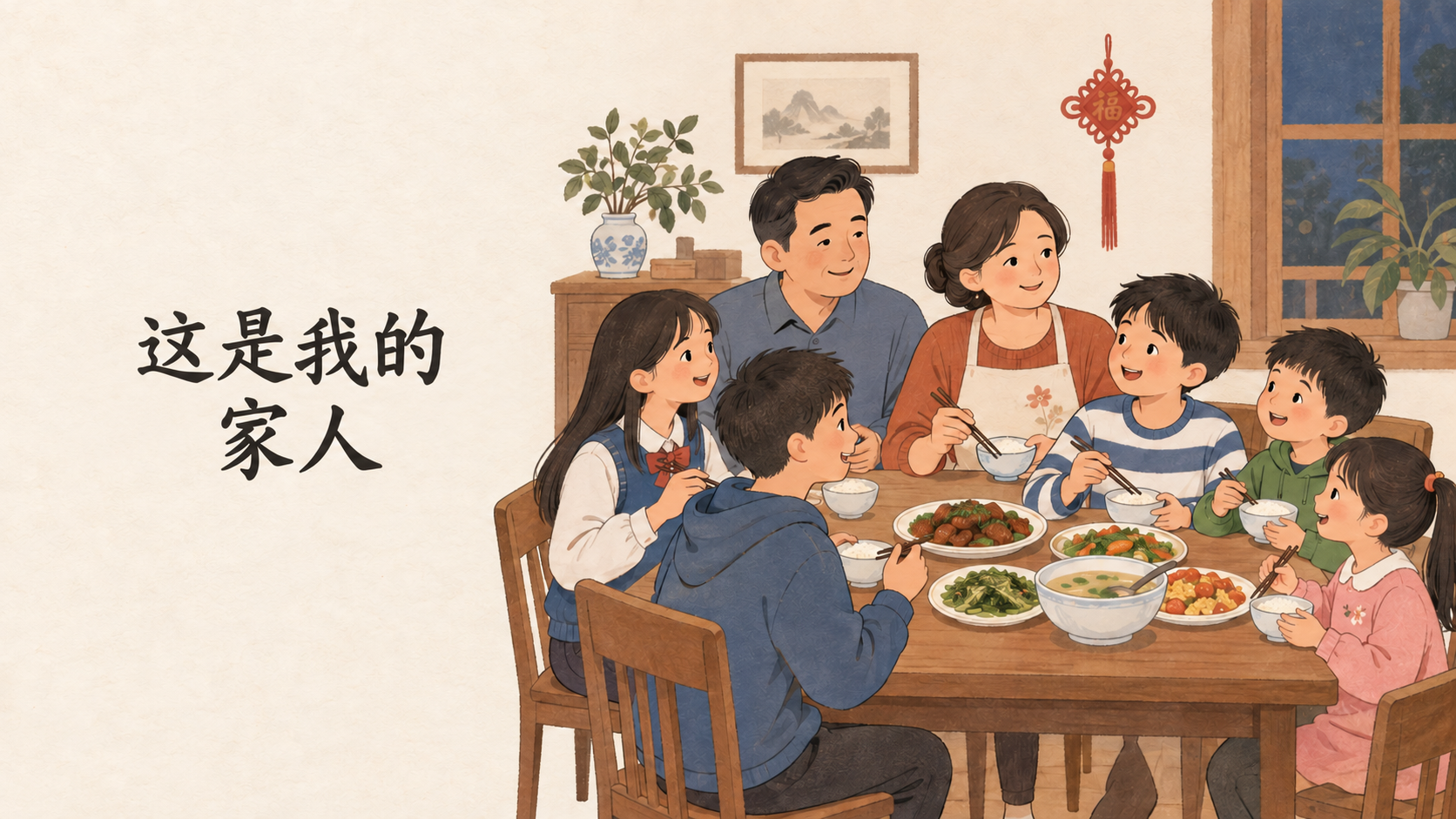
Introduce family members and their relationships
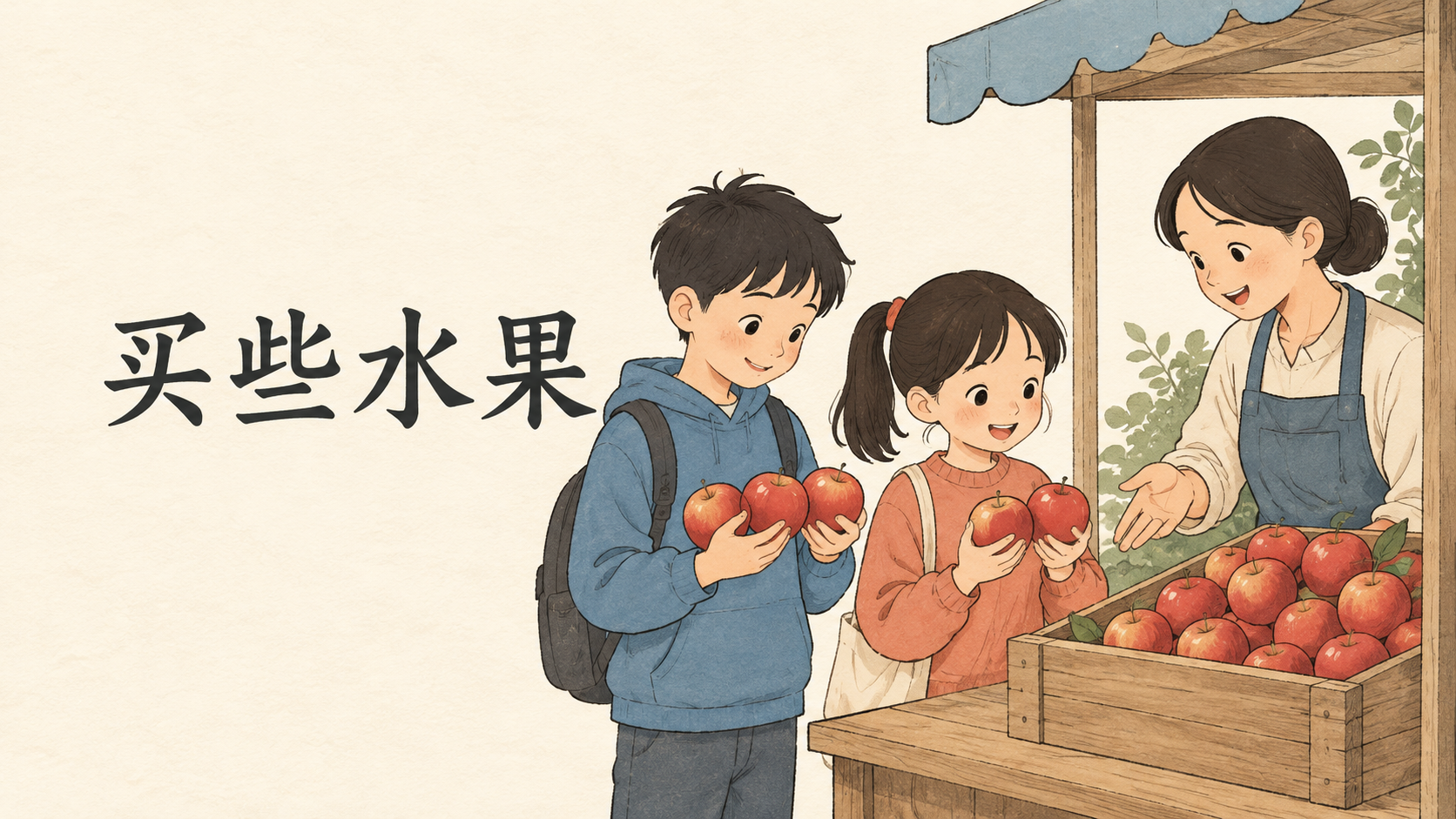
Ask and answer about the quantity and quality of fruit when buying

Express travel intention and ask about the location
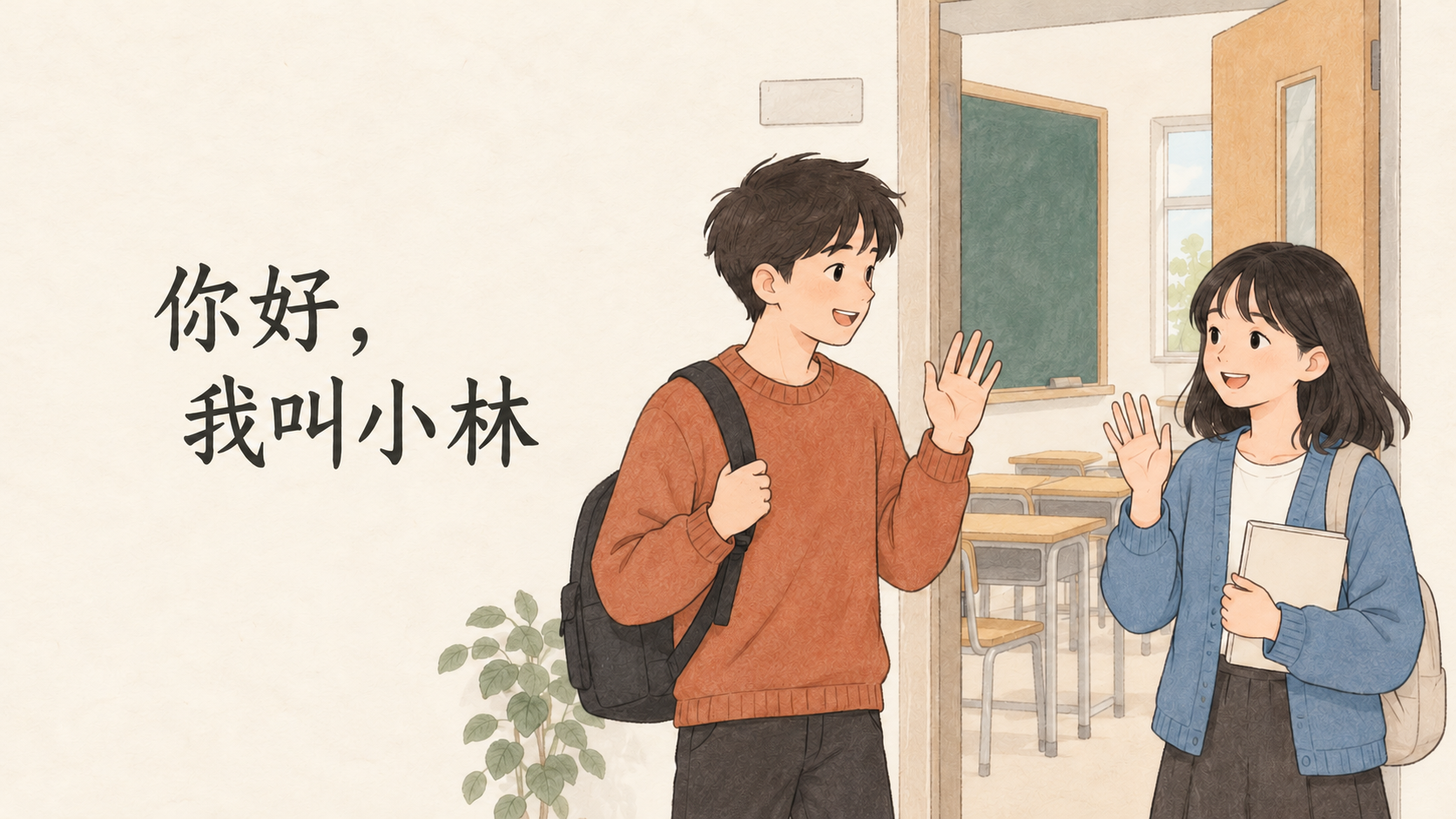
Greet a new classmate and say your name
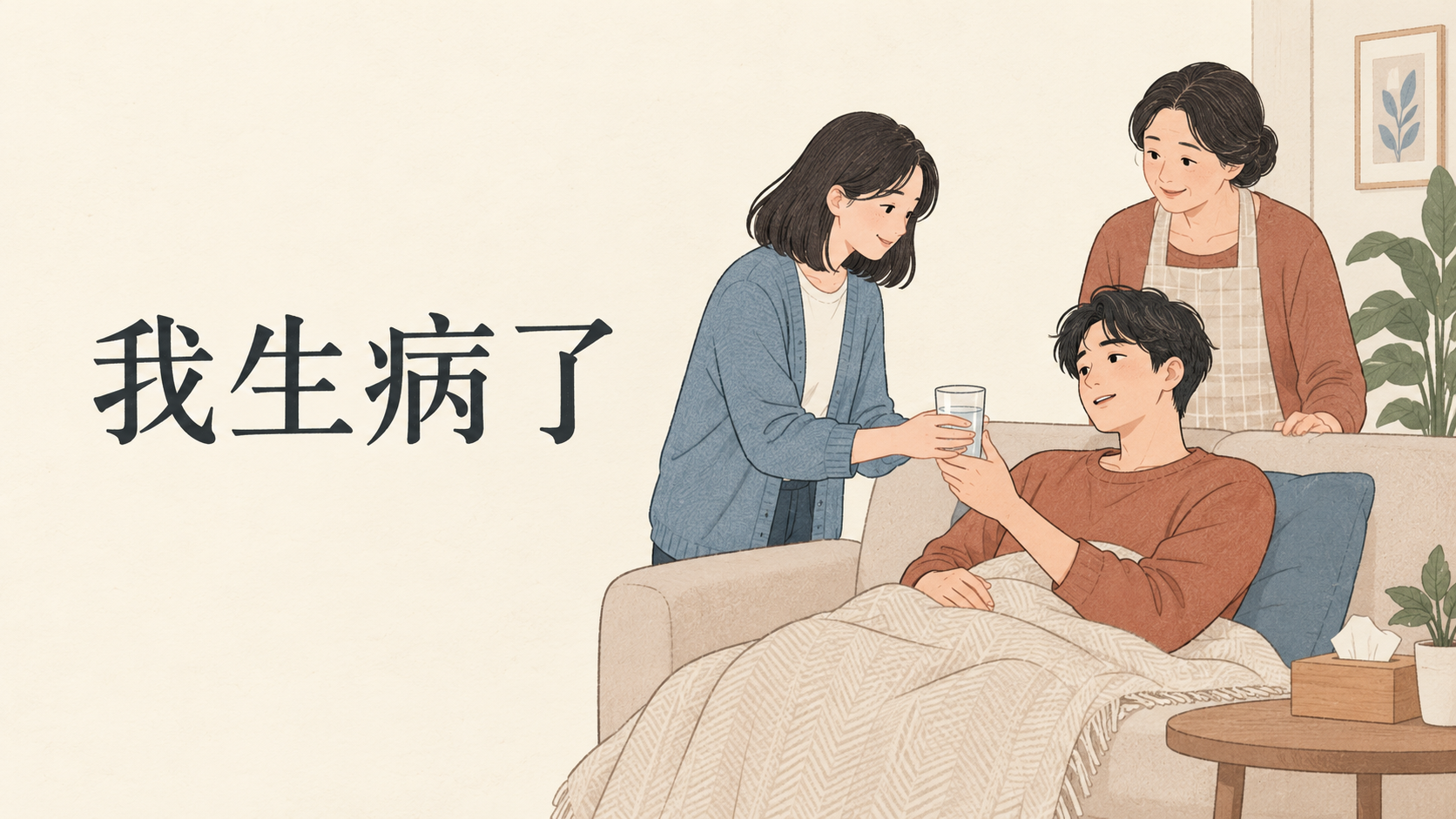
Inform about being sick, seeing a doctor, and visiting a friend
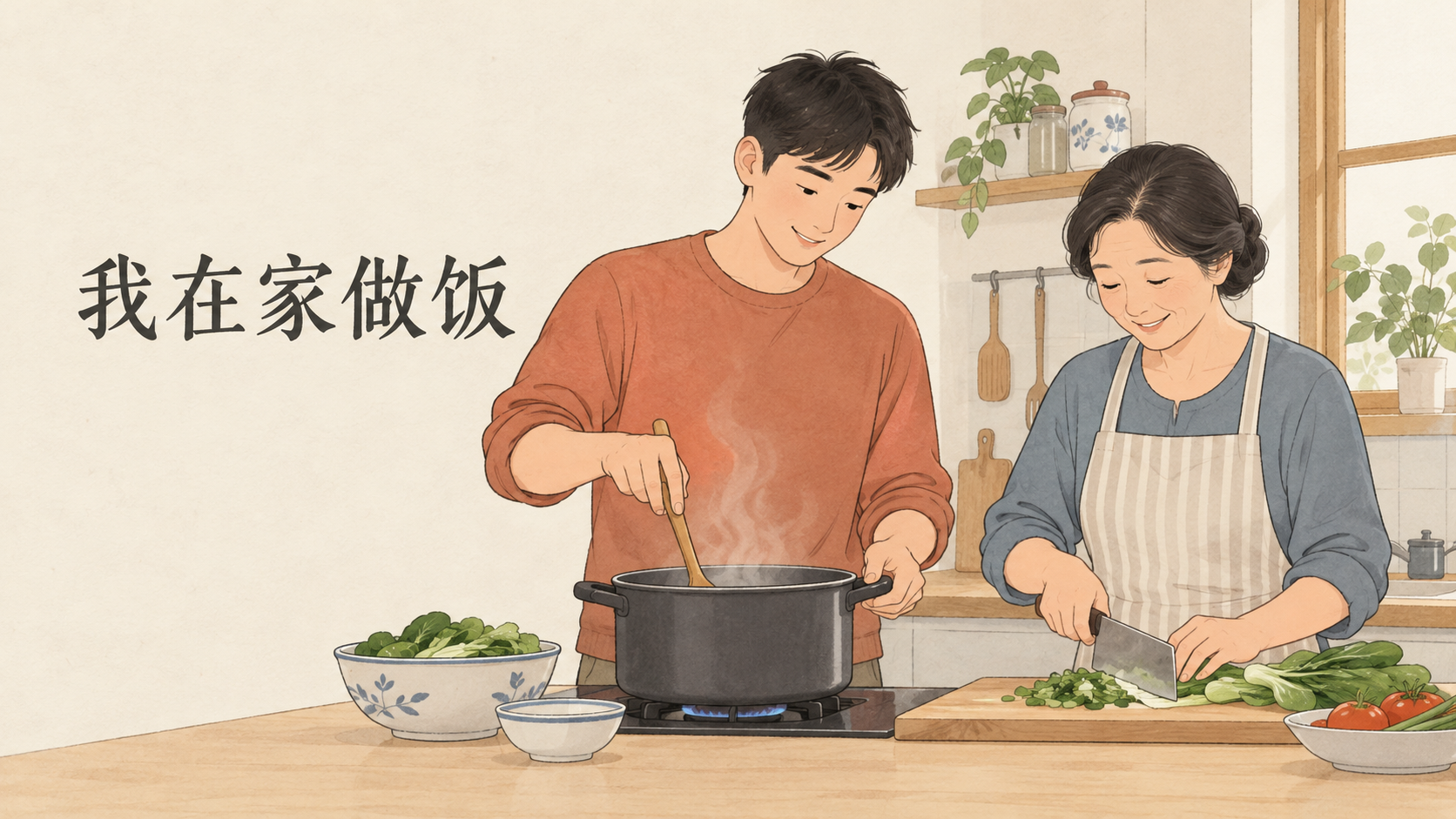
Introduce housing and home activities
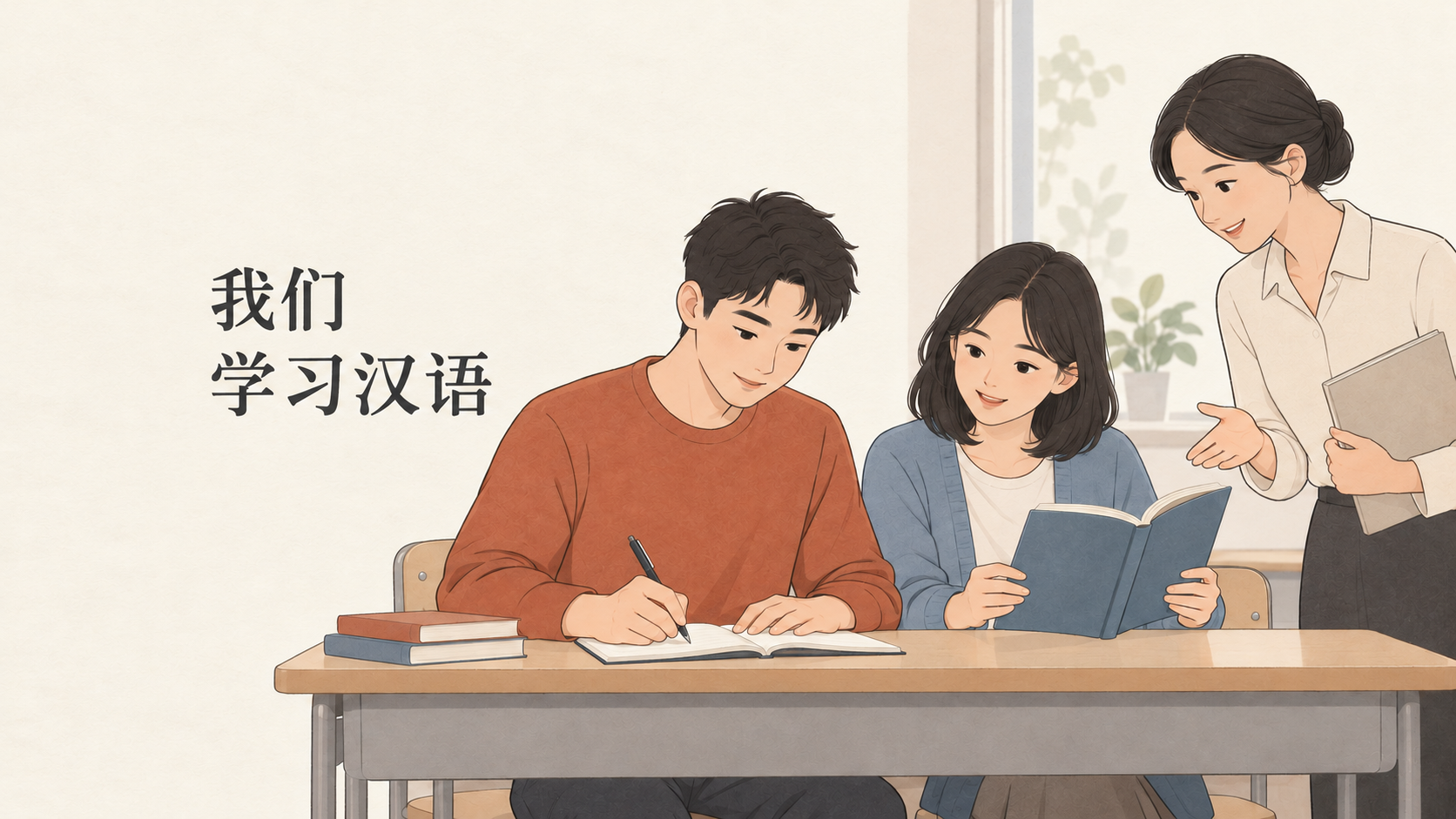
Express learning content and classroom behavior

Exchange leisure activities and feelings
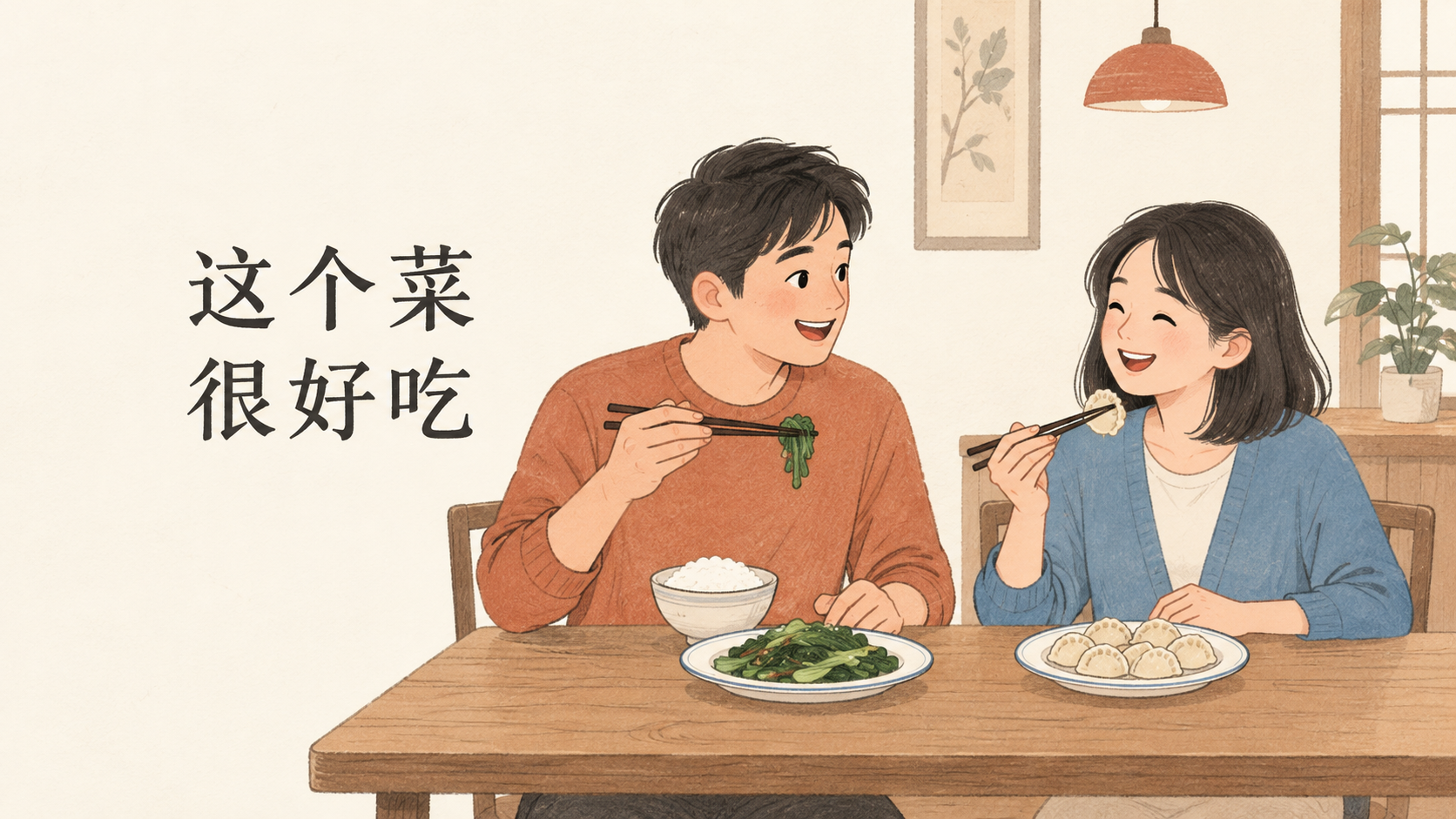
Order lunch and express food preferences
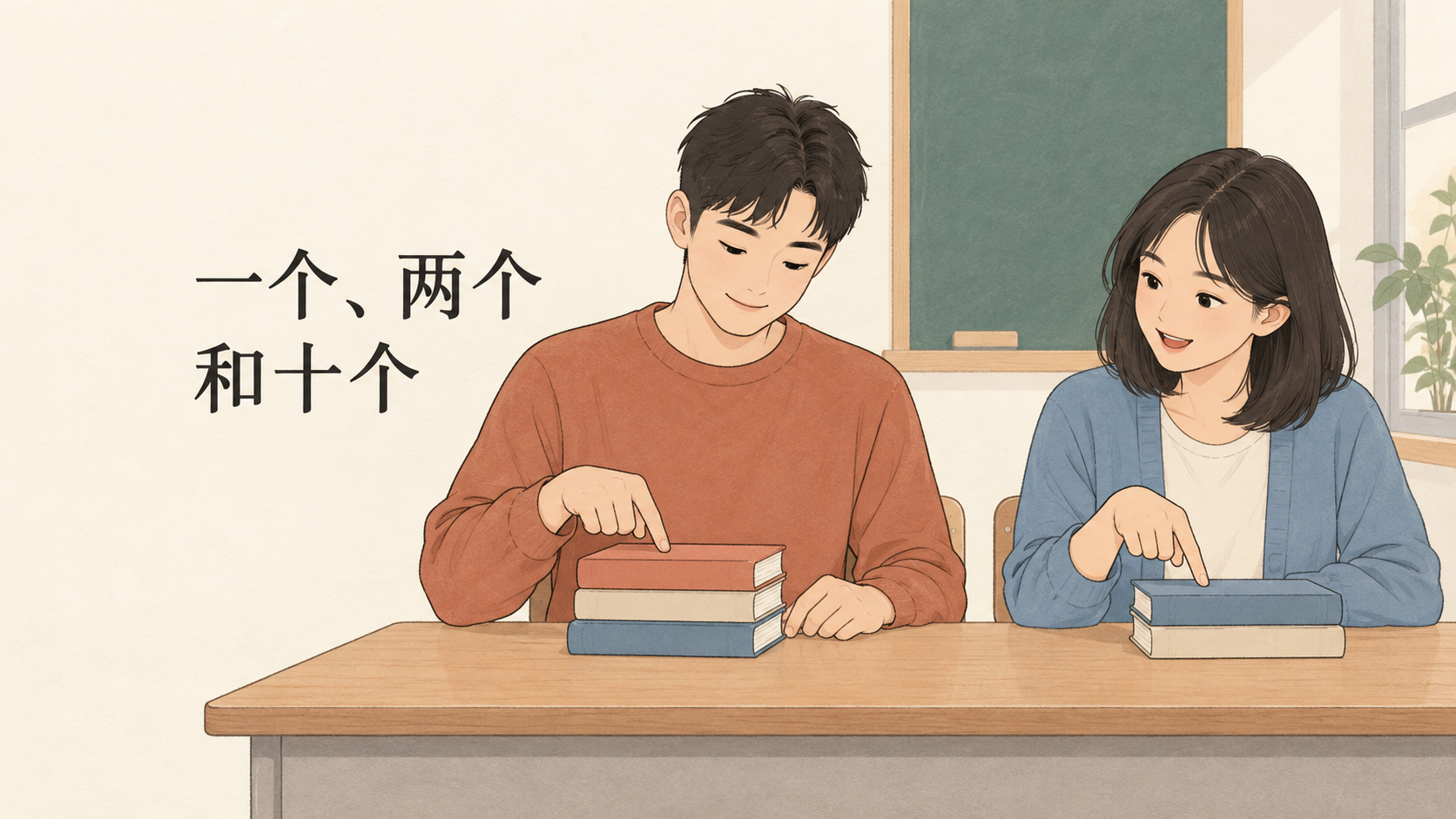
Count objects and people
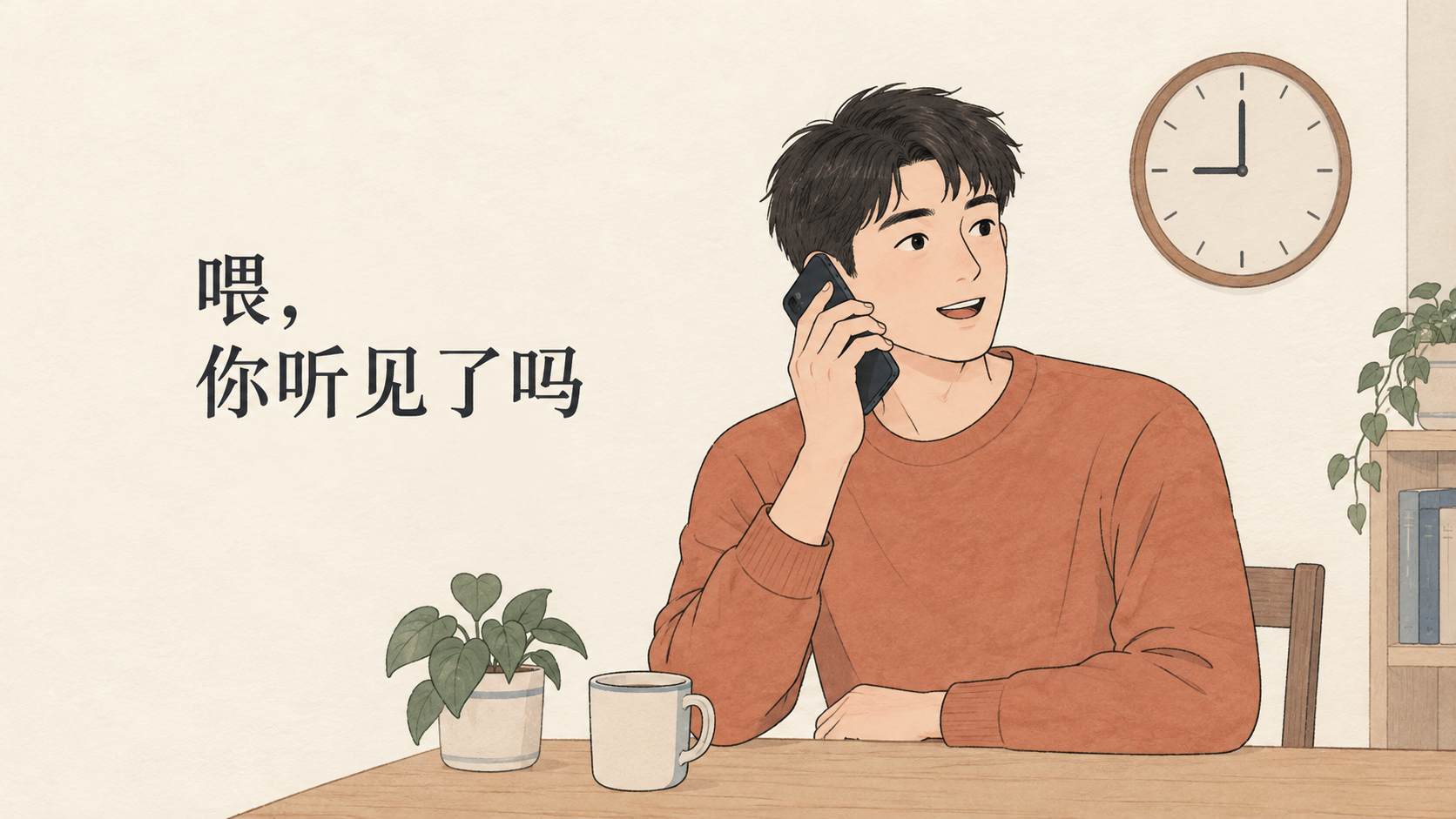
Make a phone call and confirm the call information.
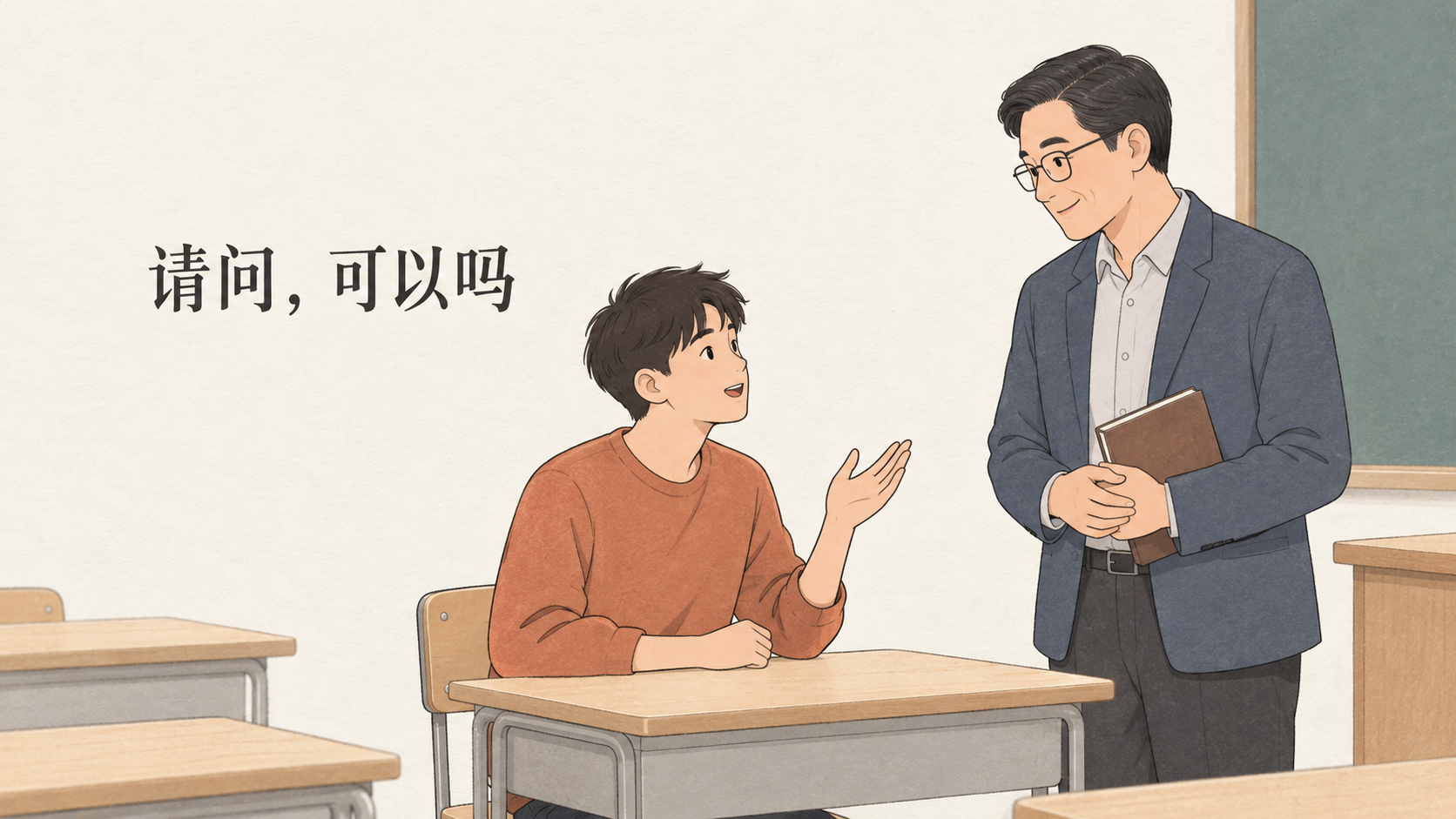
Polite requests, thanks, apologies and responses
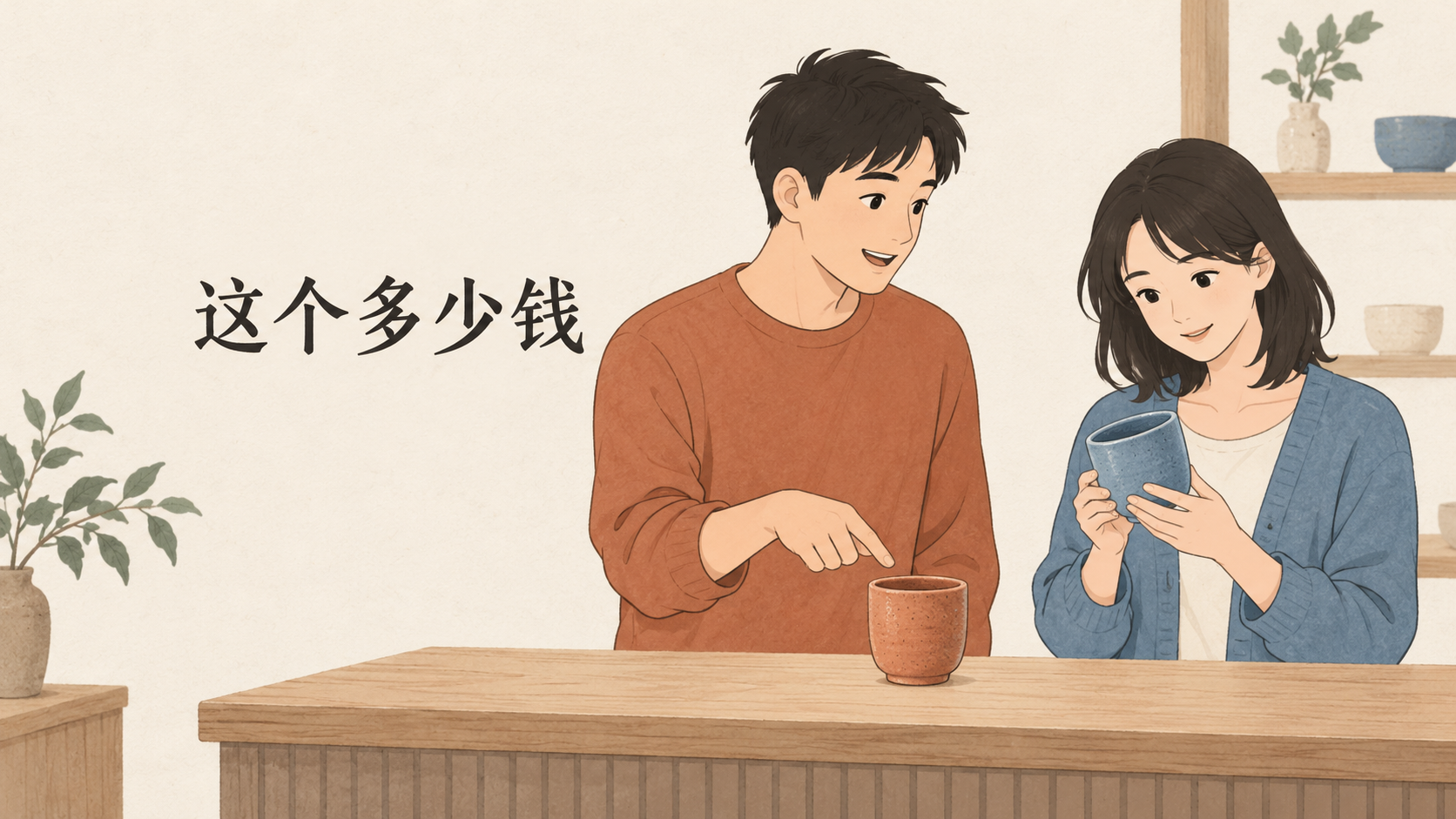
Inquire about price and compare costs
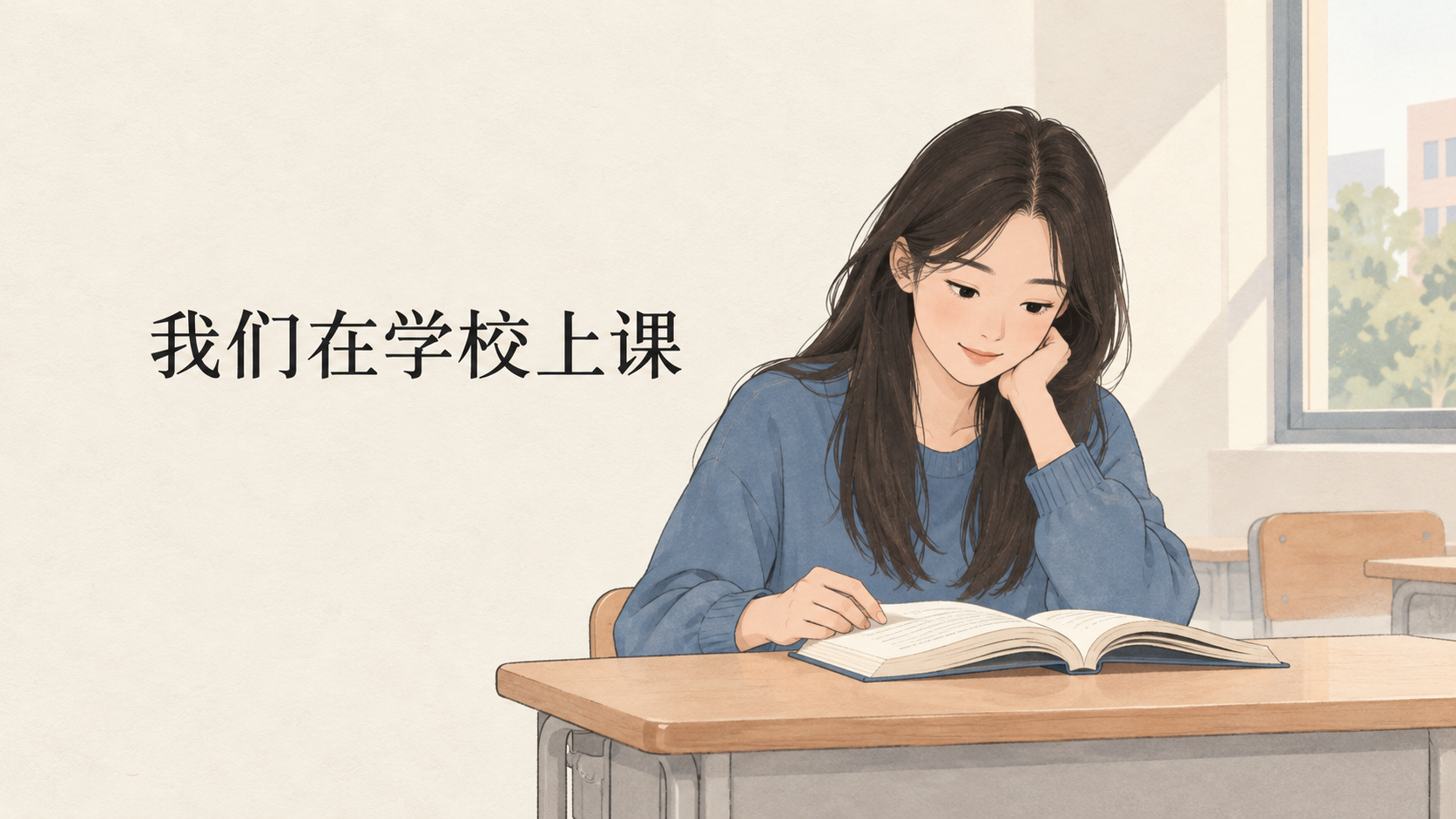
Introduce school, education levels and courses
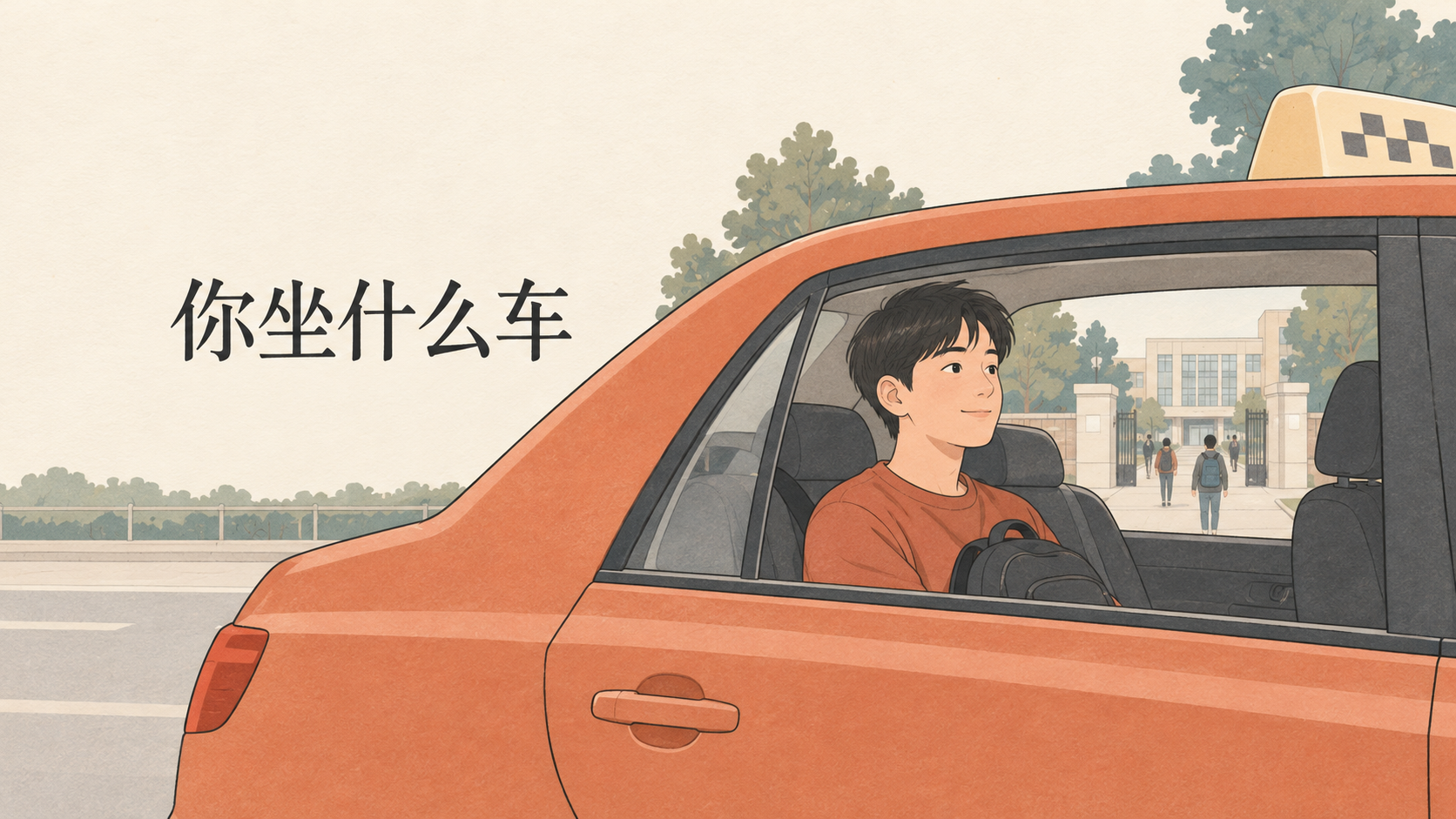
Discuss transportation methods and travel ability

Describe the weather and how hot or cold it feels
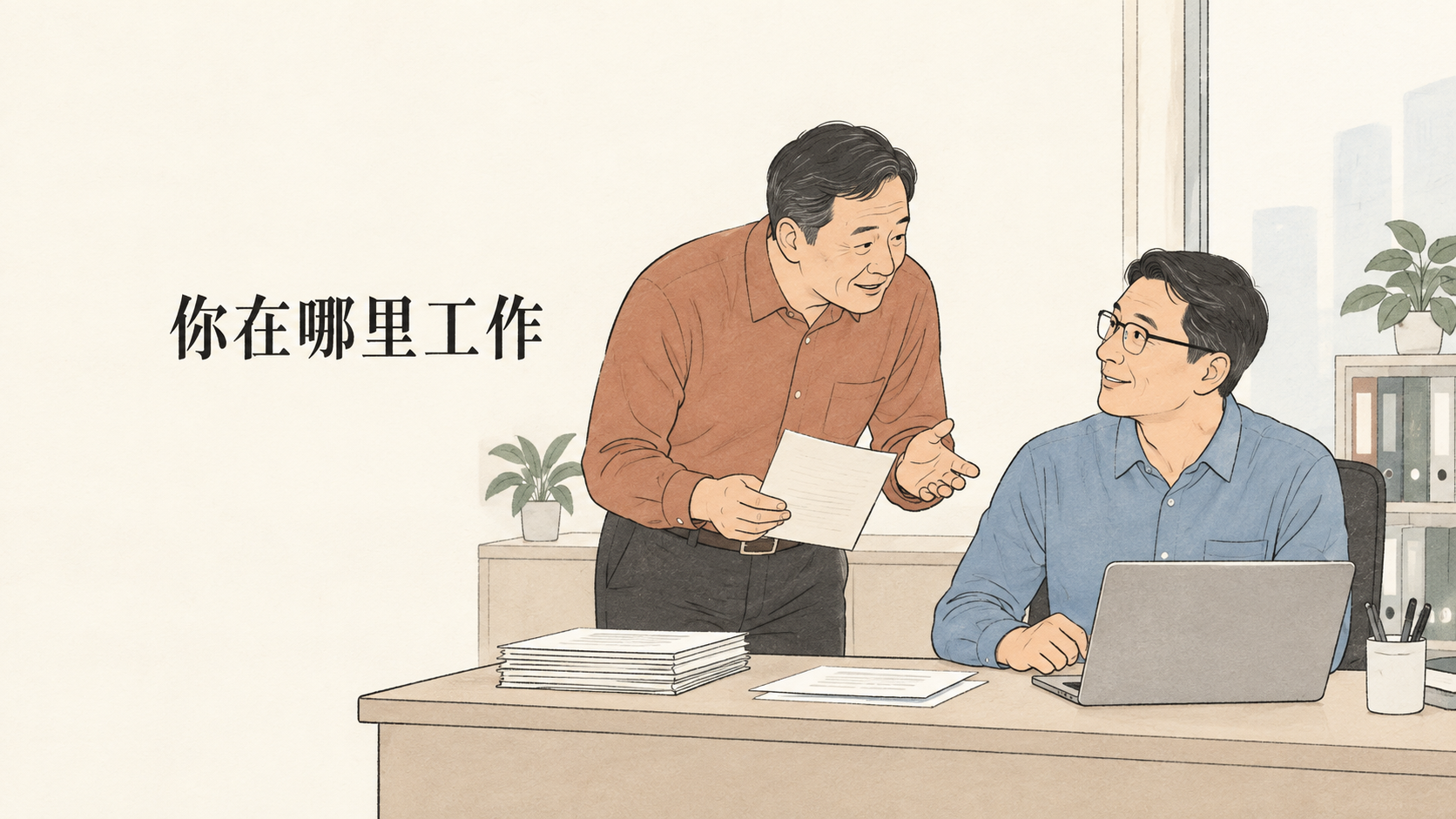
Talking about work, commuting and free time
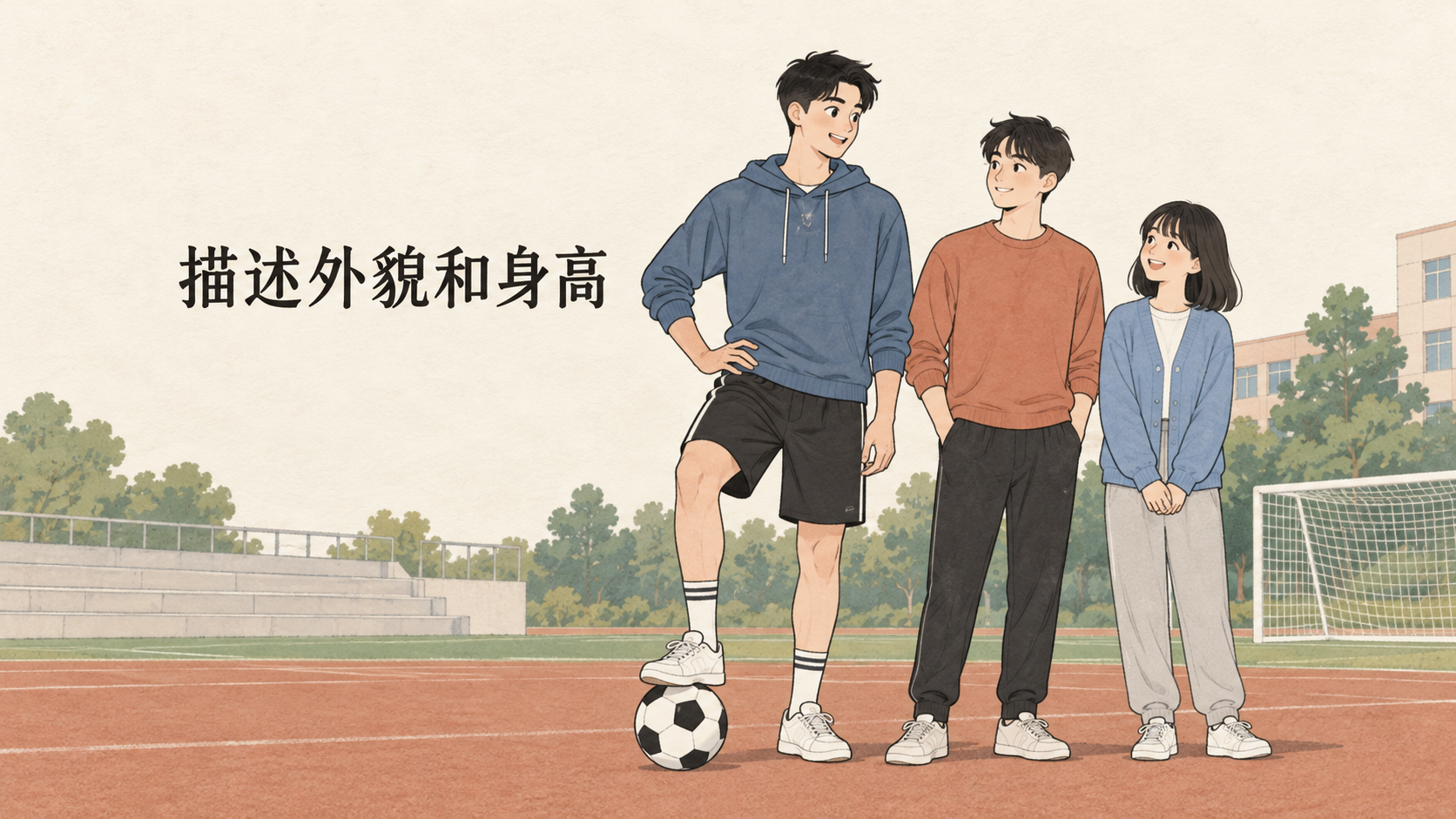
Can describe appearance and height in everyday situations, and use the vocabulary and sentence patterns of this unit to communicate.
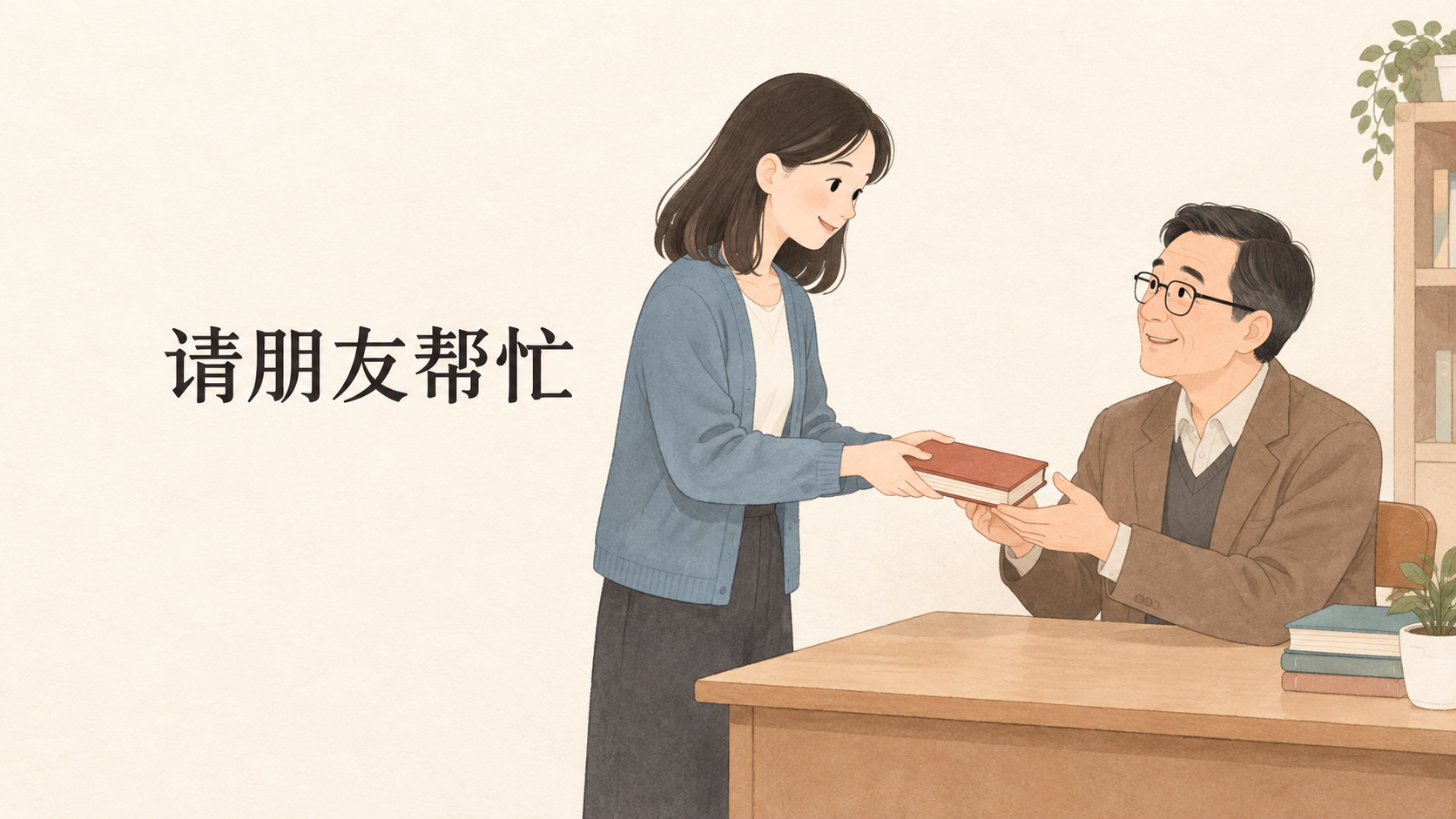
Be able to ask a friend for help in everyday situations, using the vocabulary and sentence patterns of this unit to complete communication.
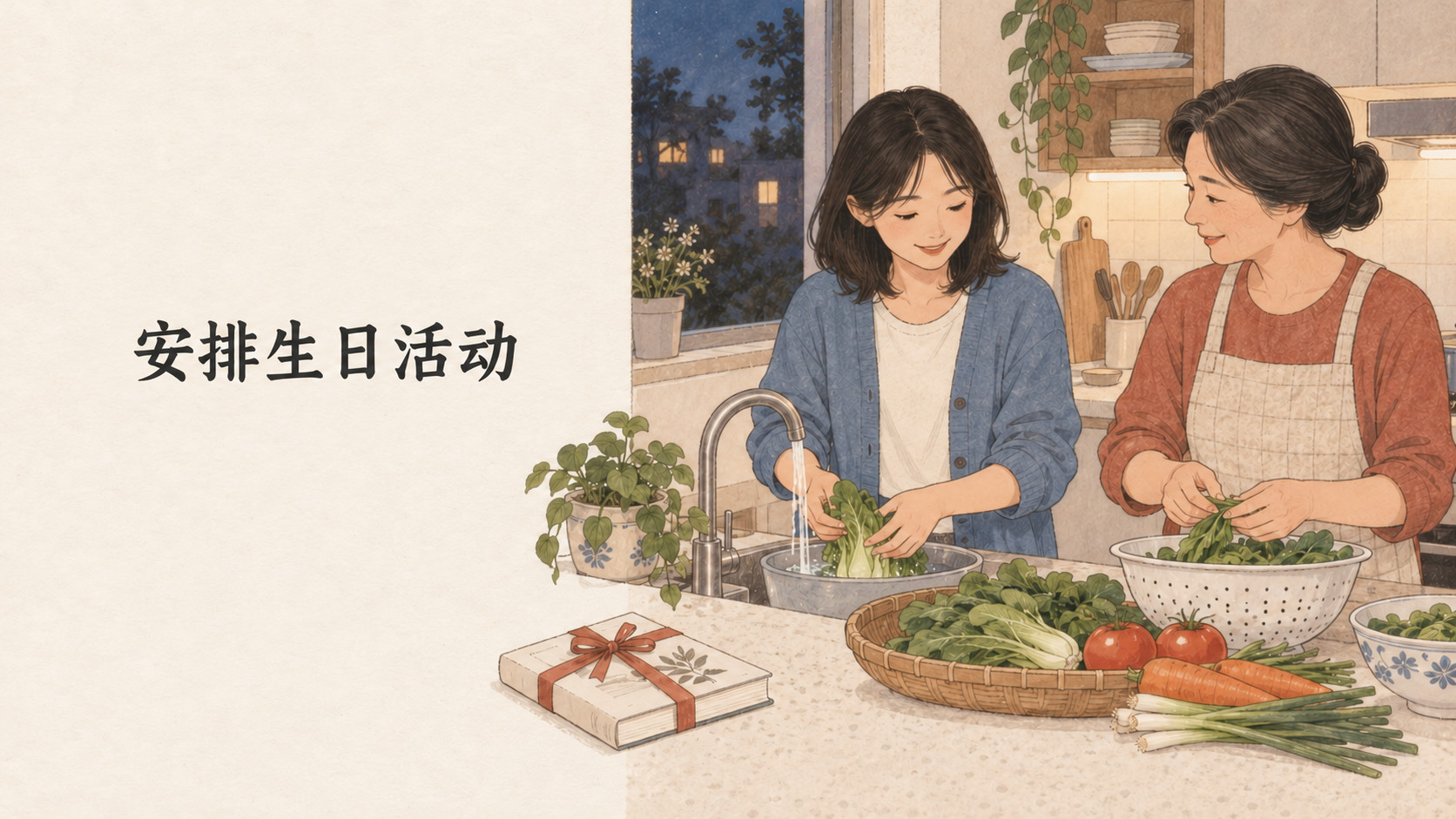
Be able to arrange a birthday activity in everyday situations and communicate using the vocabulary and sentence patterns of this unit.
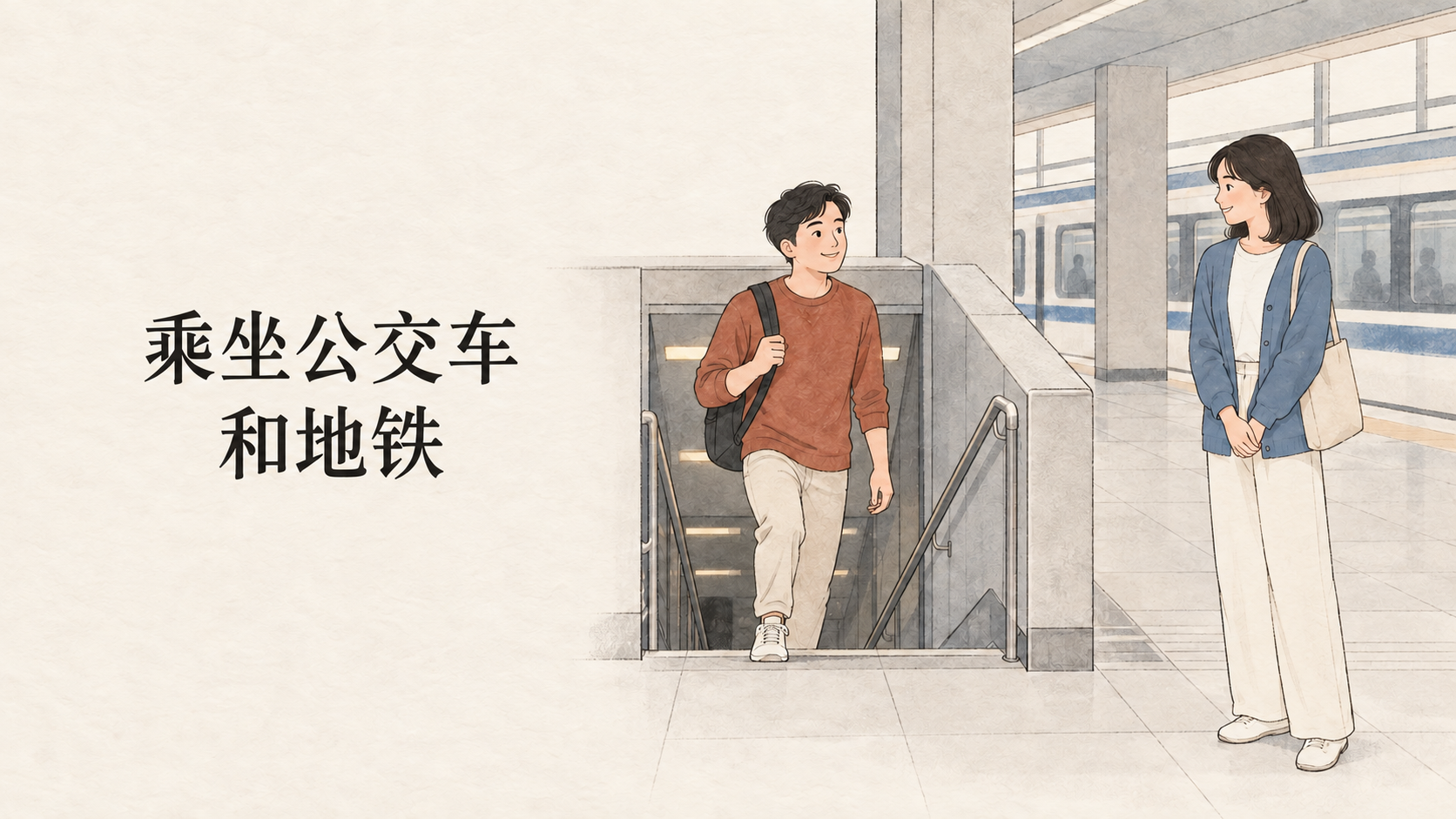
Be able to ride the bus and subway in everyday situations and communicate using the vocabulary and sentence patterns of this unit.
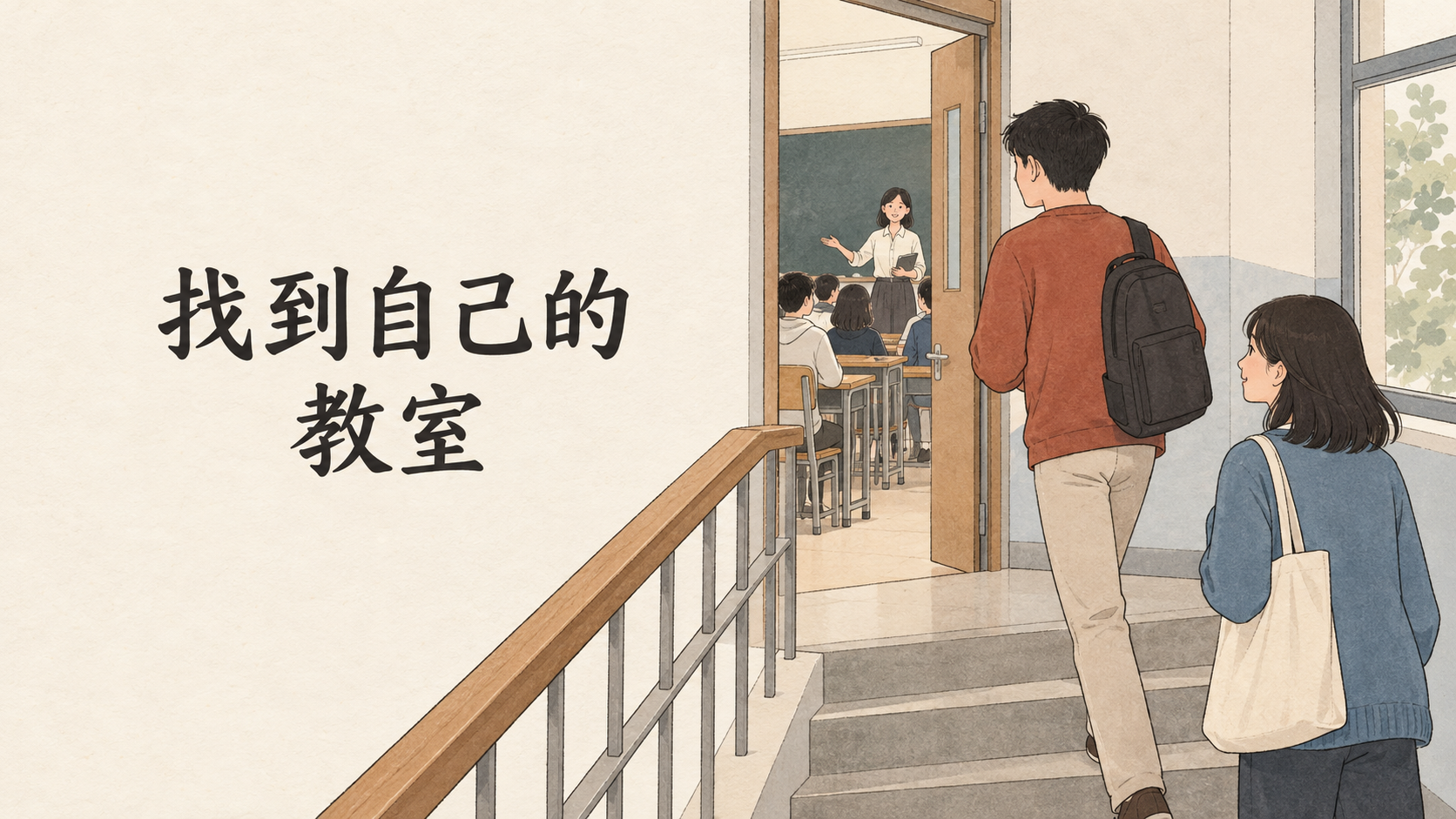
Be able to locate your classroom in everyday situations and communicate using the vocabulary and sentence patterns of this unit.
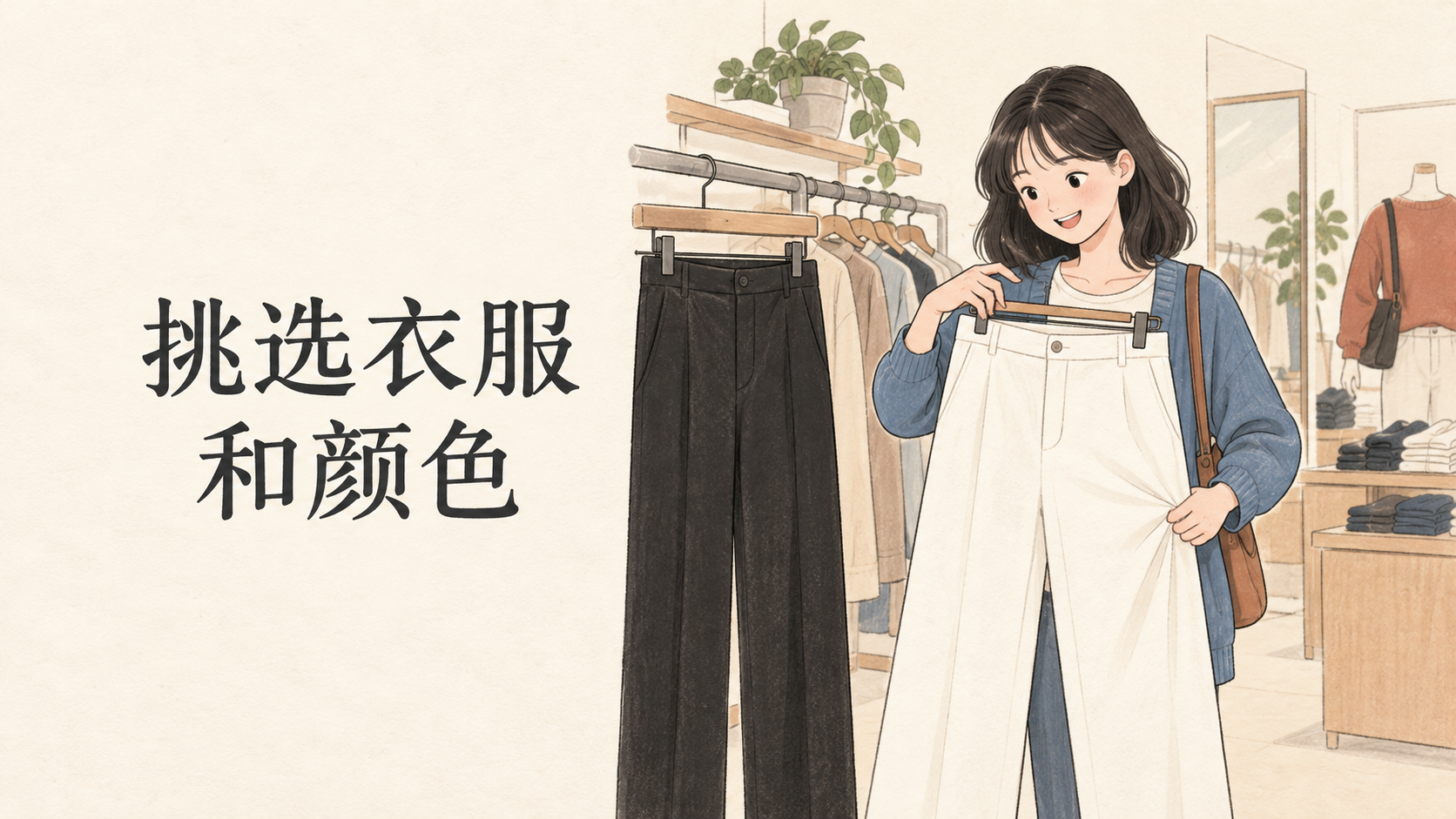
Be able to choose clothes and colors in everyday situations, and use the vocabulary and sentence patterns of this unit to communicate.
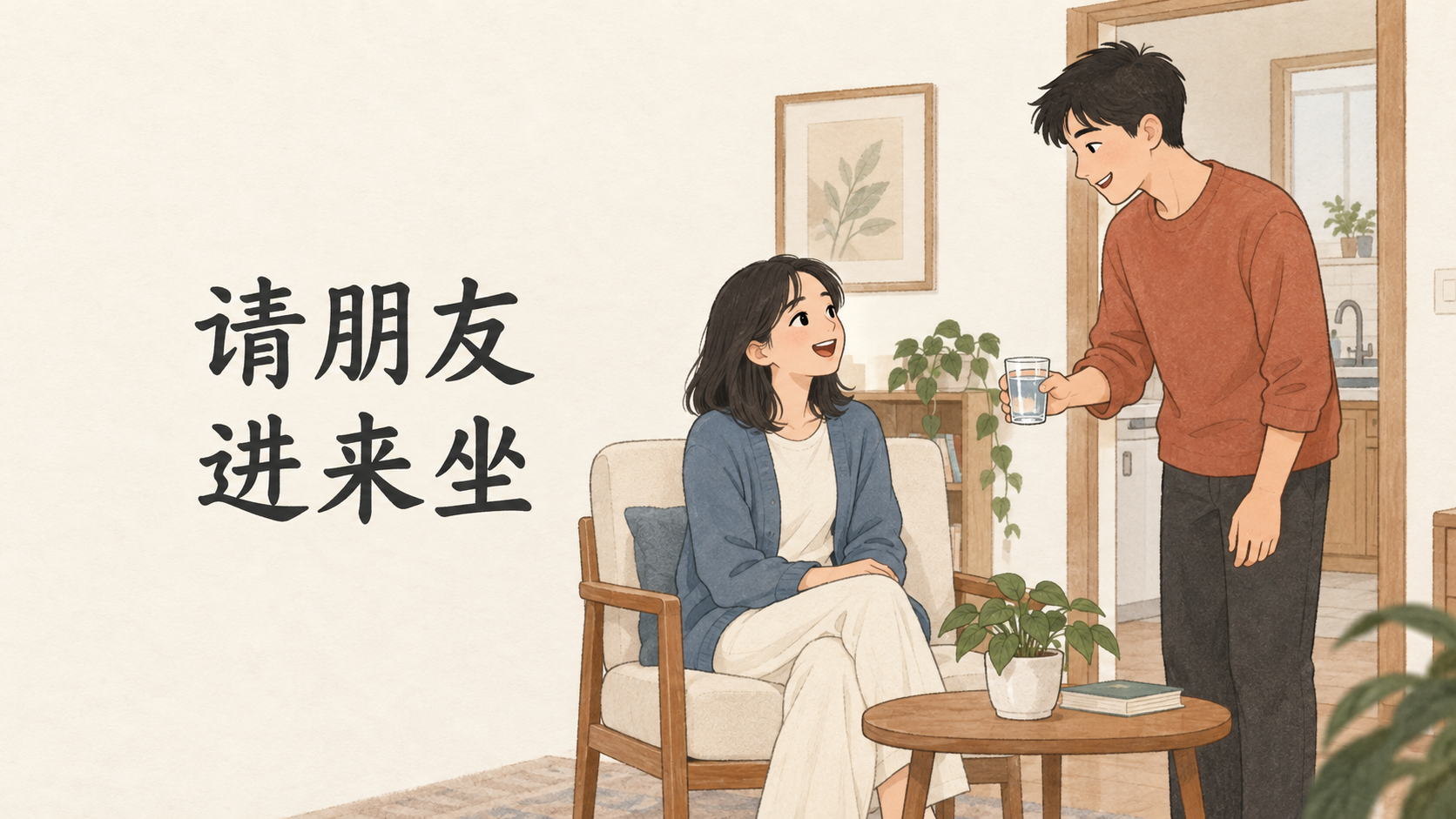
Be able to invite a friend to come in and sit in everyday situations, using the vocabulary and sentence patterns of this unit to communicate.
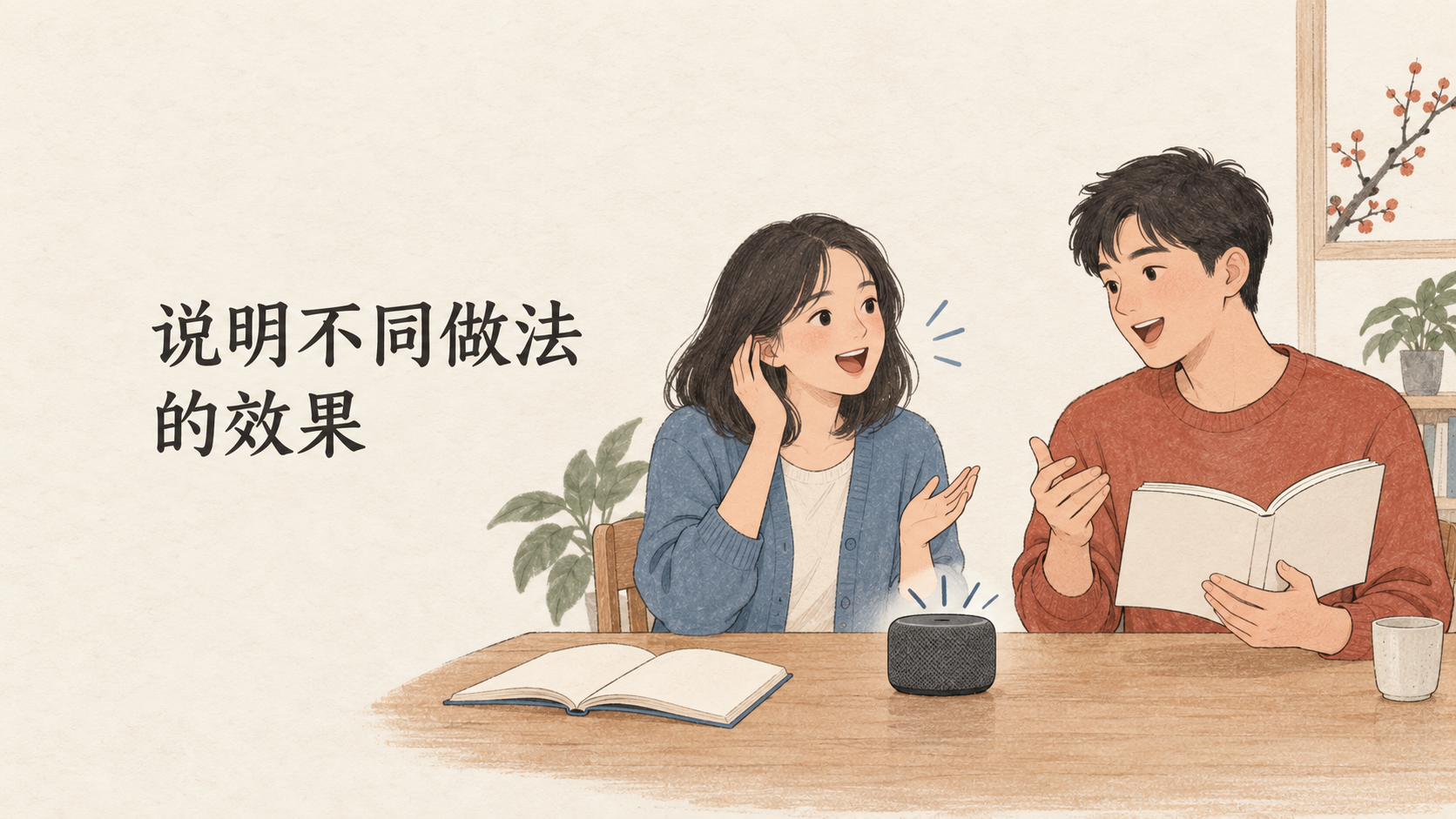
Be able to explain the effects of different approaches in everyday situations, and use the vocabulary and sentence patterns of this unit to communicate.

Be able to order a favorite drink in everyday situations and communicate using the vocabulary and sentence patterns of this unit.
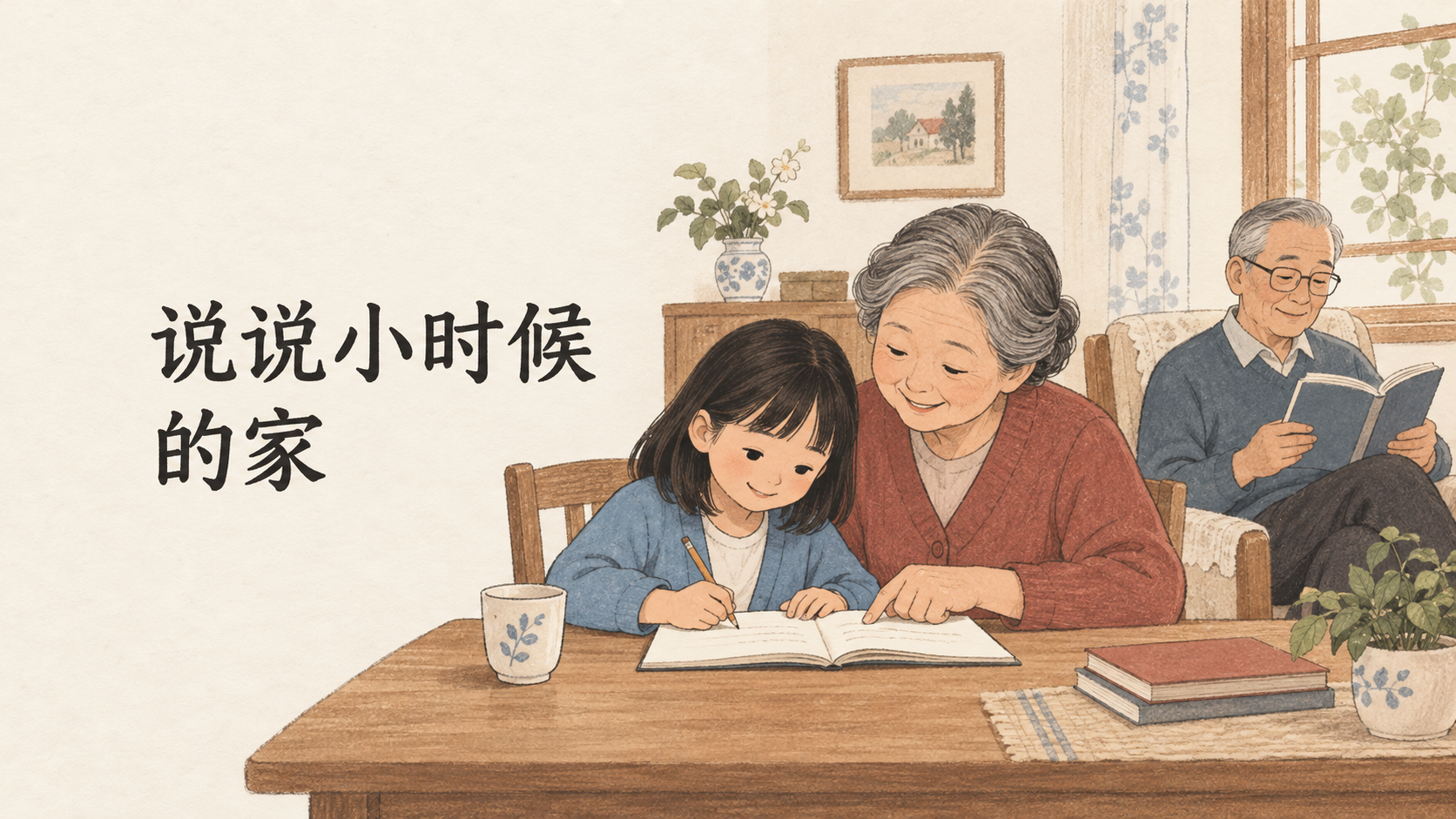
Be able to talk about your childhood home in everyday situations, using the vocabulary and sentence patterns of this unit to communicate.
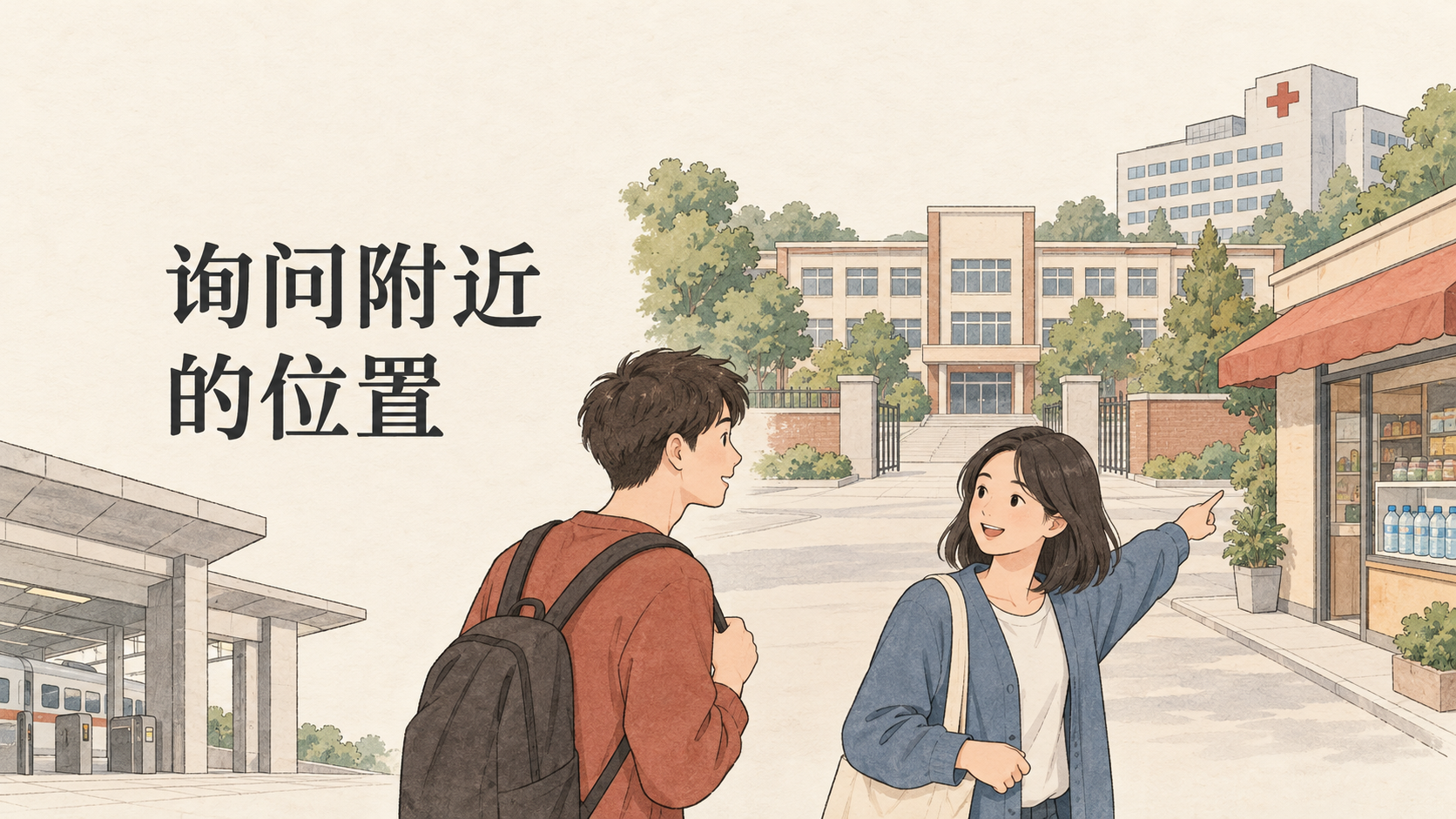
Be able to ask about nearby locations in everyday situations and complete communication using the vocabulary and sentence patterns of this unit.
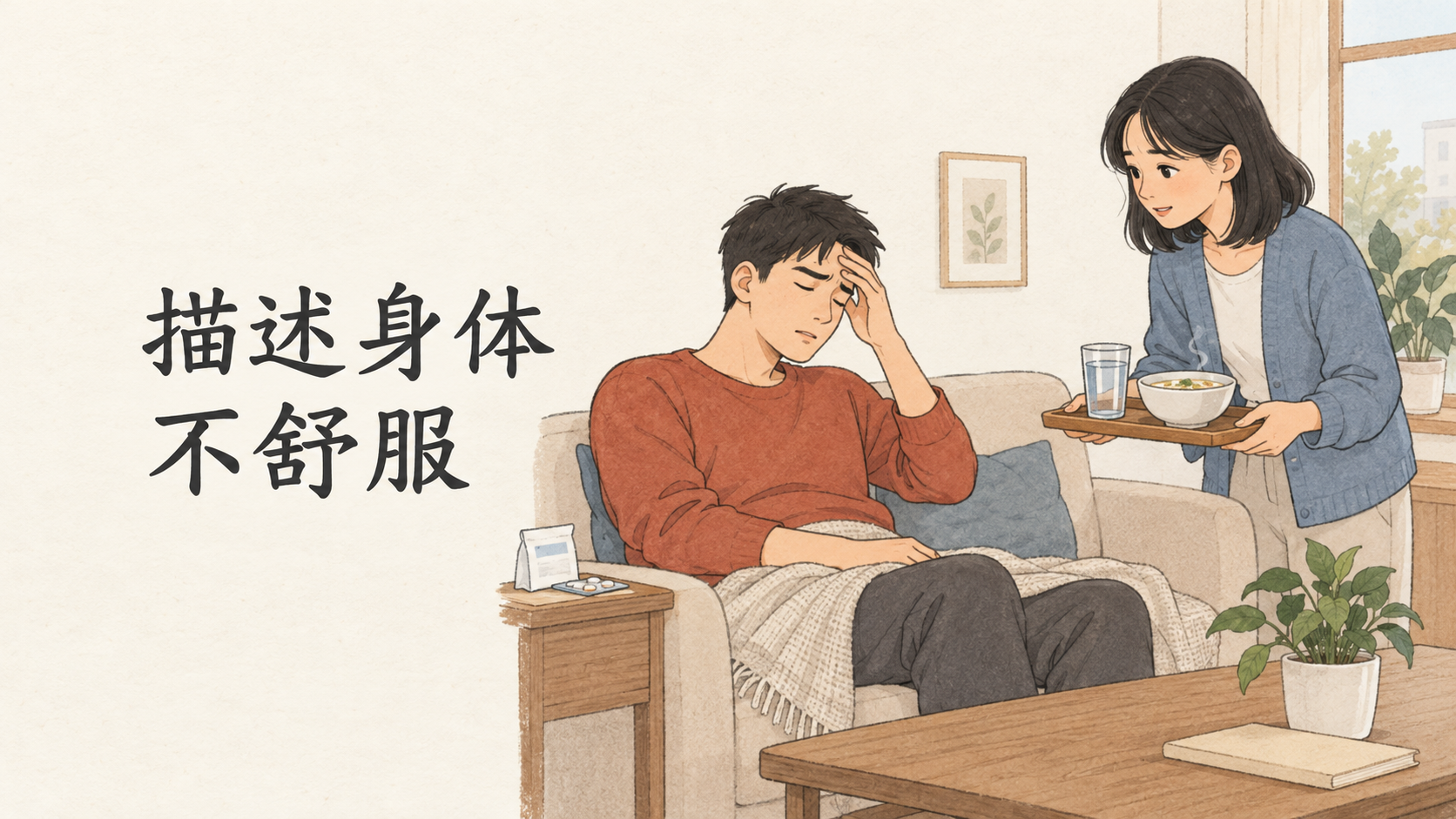
Be able to describe physical discomfort in everyday situations and communicate using the vocabulary and sentence patterns of this unit.
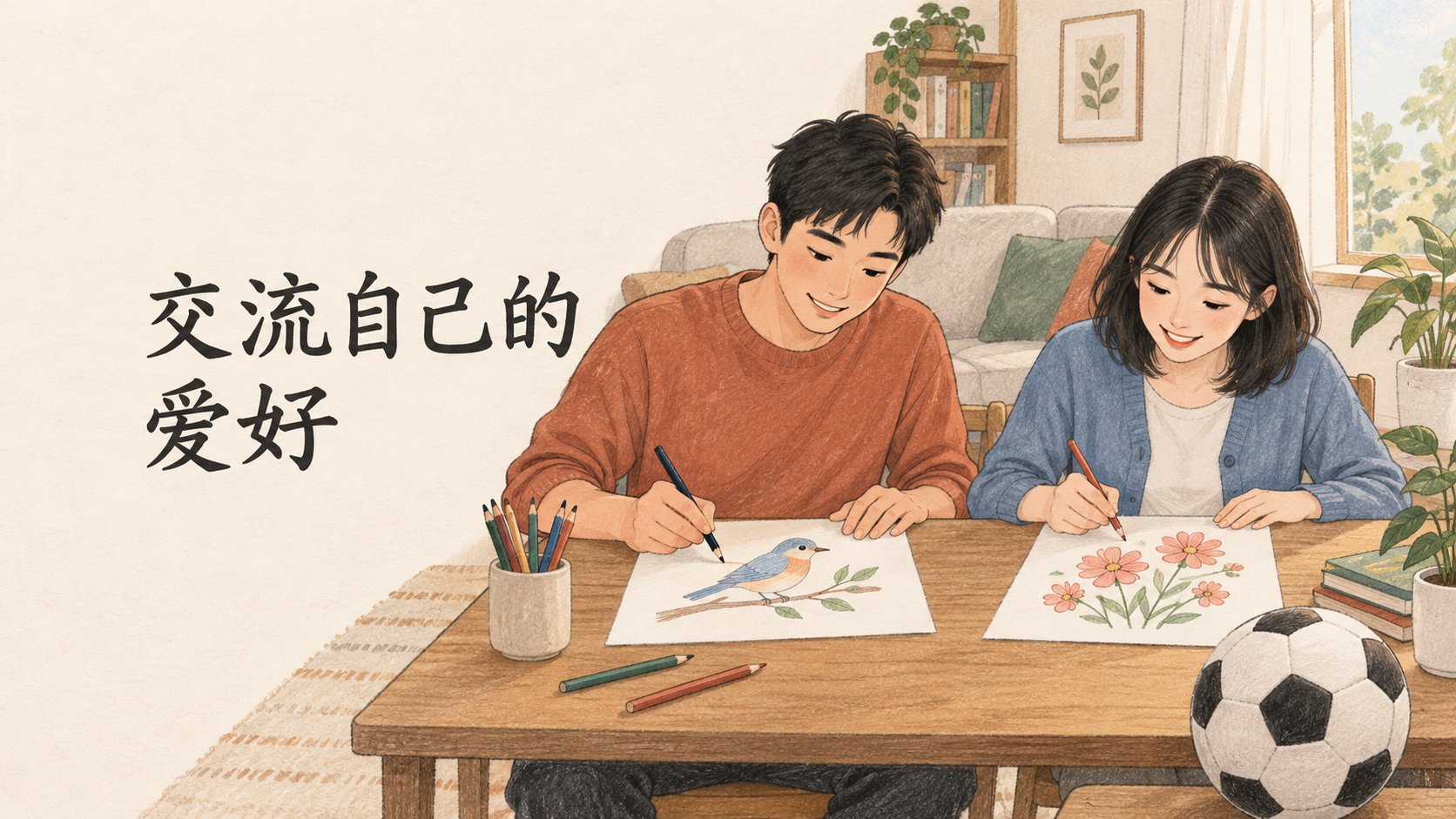
Can communicate one's hobbies in everyday situations, using the vocabulary and sentence patterns of this unit.
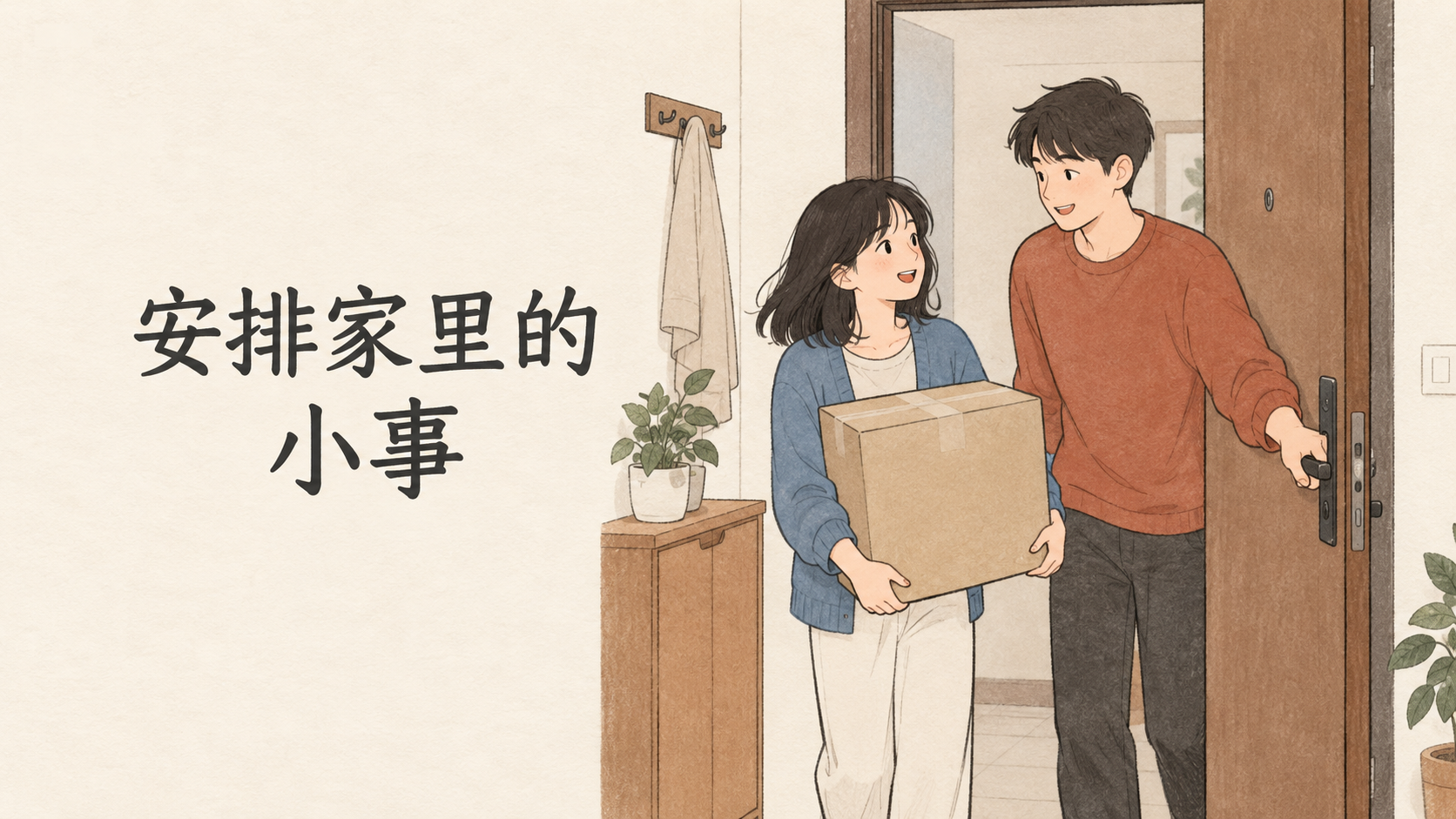
Be able to arrange small household tasks in everyday situations and communicate using the vocabulary and sentence patterns of this unit.
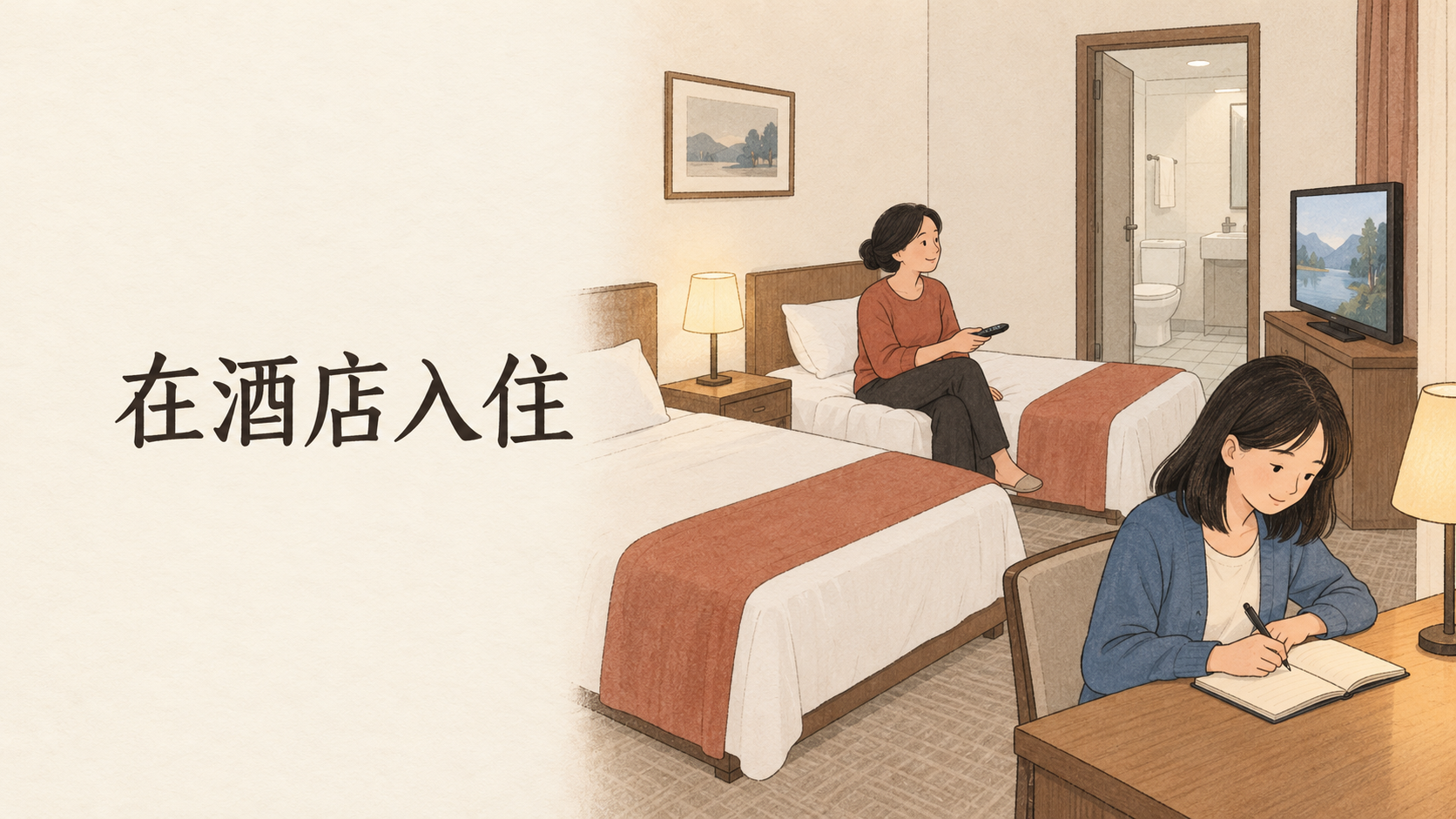
Can check into a hotel in everyday situations and communicate using the vocabulary and sentence patterns of this unit.
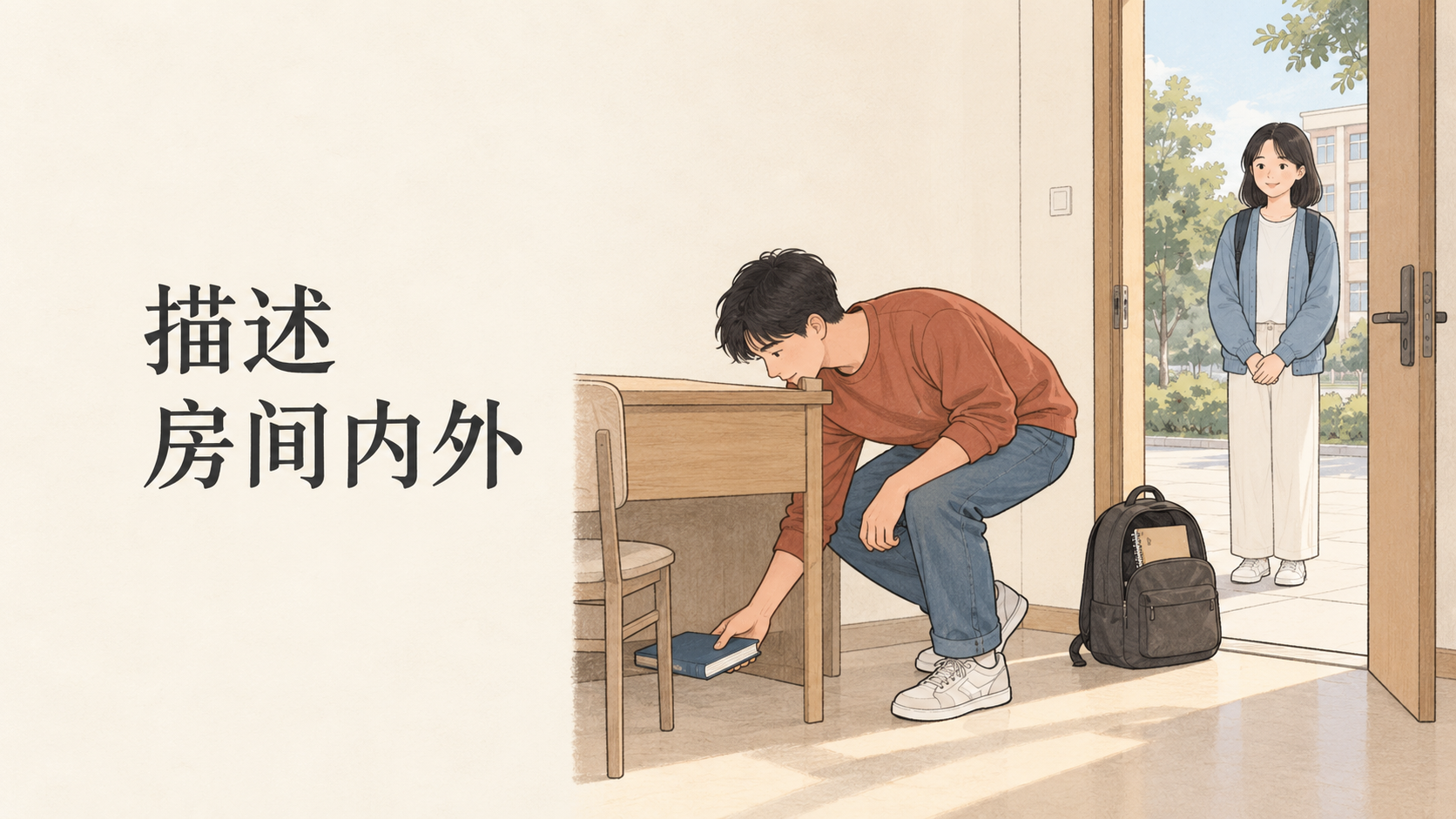
Be able to describe the inside and outside of a room in everyday situations, and use the vocabulary and sentence patterns of this unit to communicate.
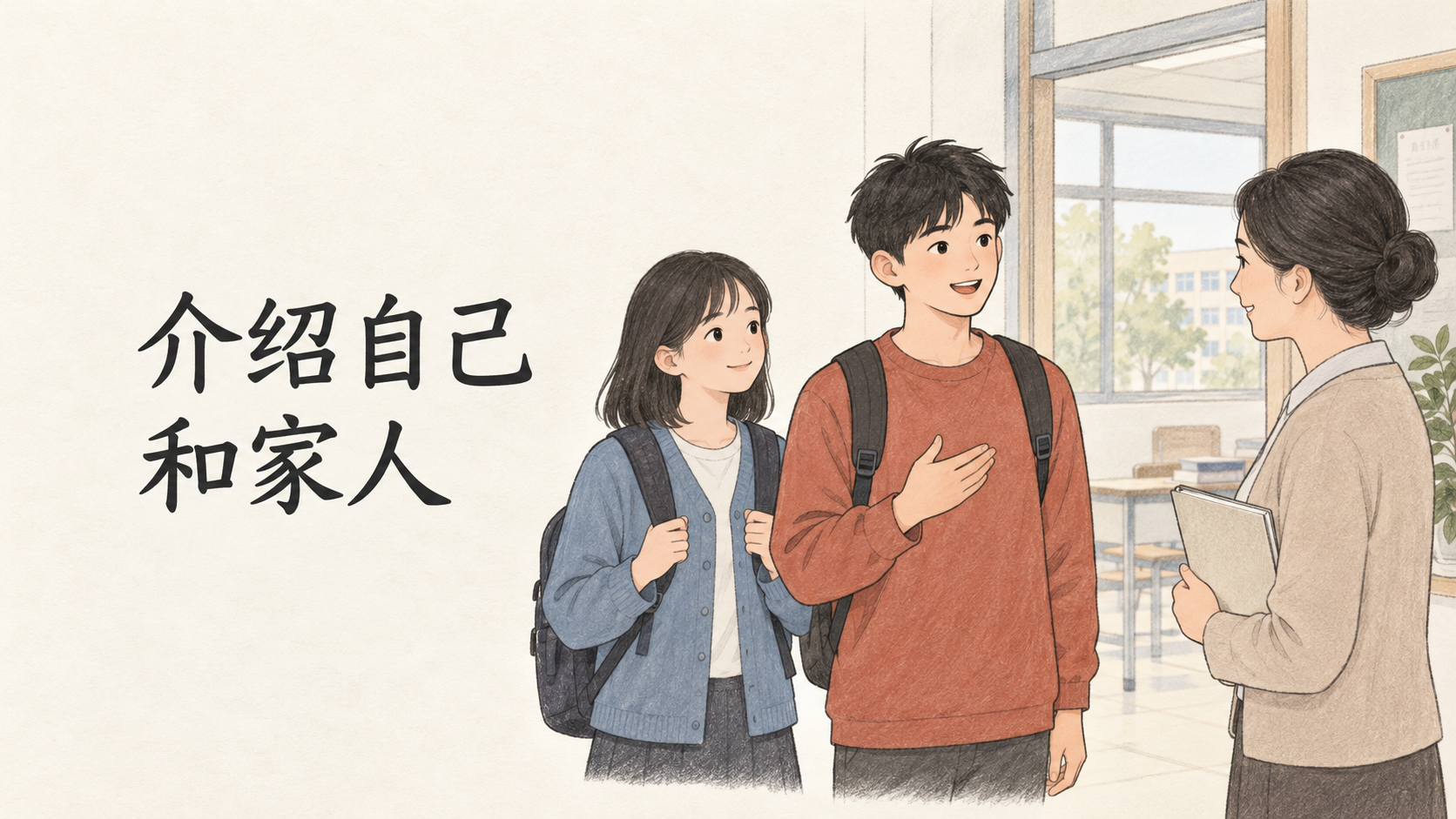
Be able to introduce yourself and your family in everyday situations, using the vocabulary and sentence patterns of this unit to communicate.
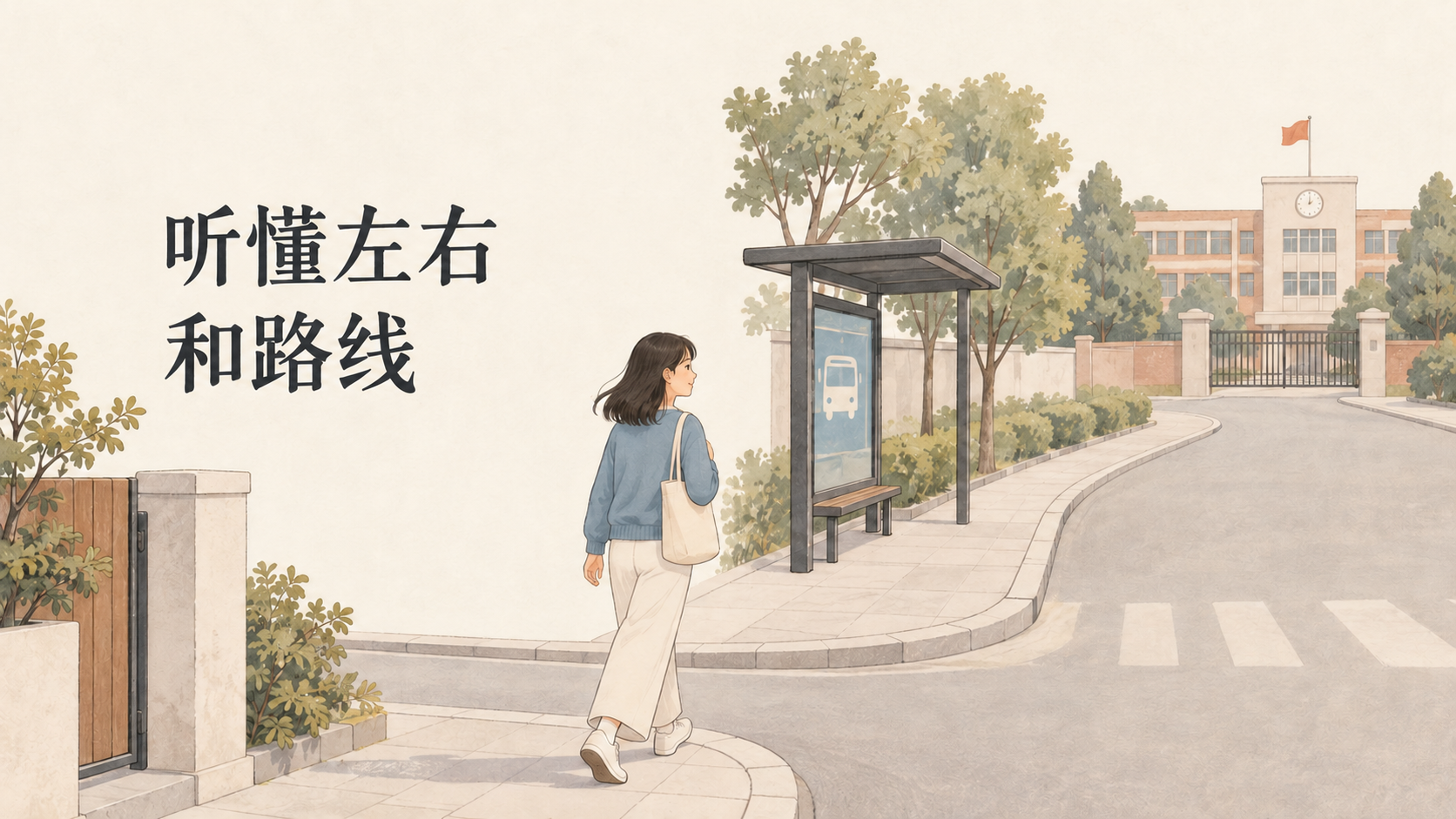
Can understand left, right, and directions in everyday situations, and use the vocabulary and sentence patterns of this unit to communicate.

Be able to order at a restaurant in everyday situations, using the vocabulary and sentence patterns of this unit to communicate.
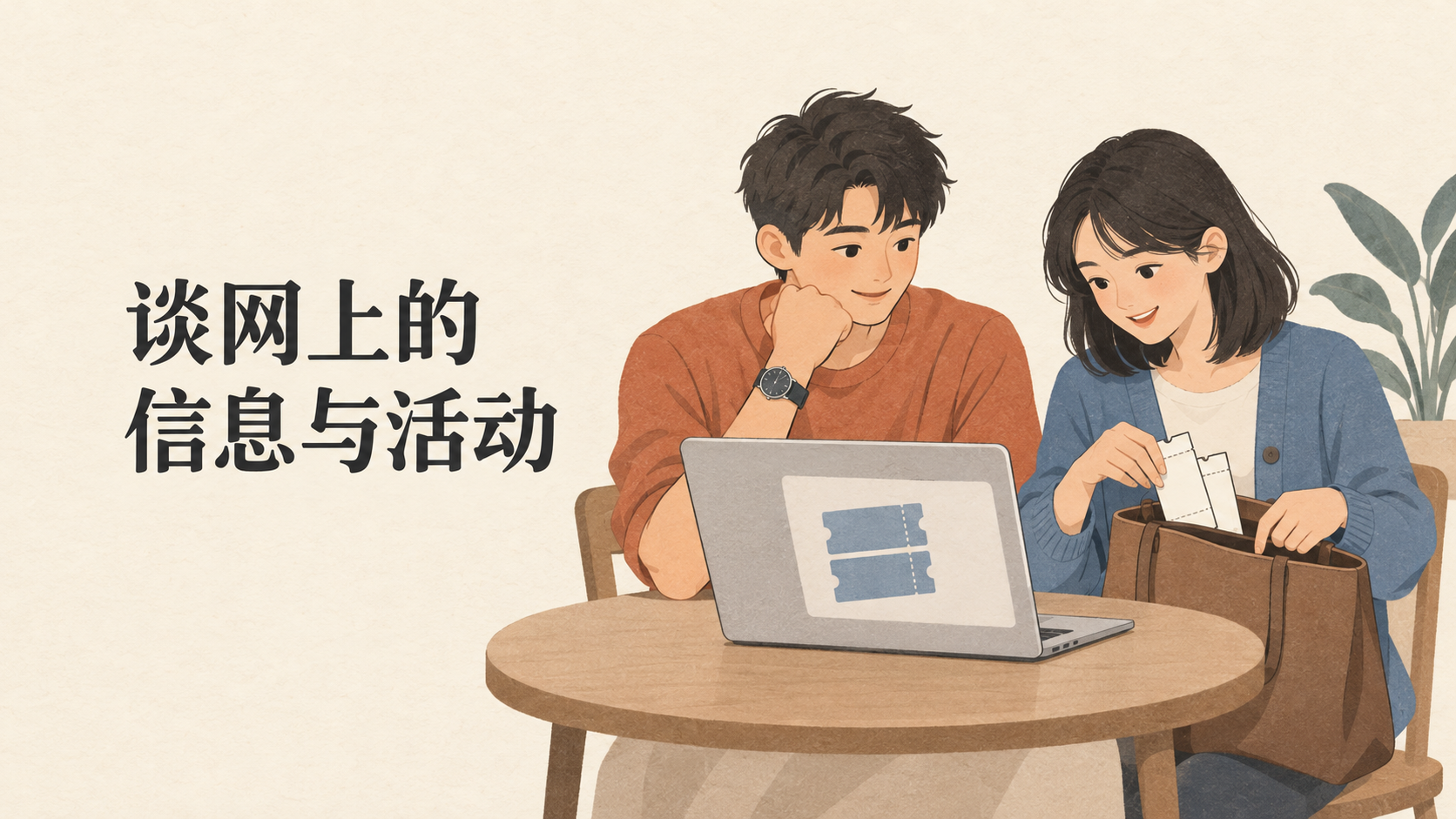
Be able to discuss online information and activities in everyday situations, using the vocabulary and sentence patterns of this unit to communicate.
Be able to schedule time and activities in everyday situations, and use the vocabulary and sentence patterns of this unit to communicate.
Can explain reasons and choices in everyday situations and communicate using the vocabulary and sentence patterns of this unit.
Be able to explain going and returning in everyday situations, and use the vocabulary and sentence patterns of this unit to communicate.
Can talk about weekly life in everyday situations, and use the vocabulary and sentence patterns of this unit to communicate.
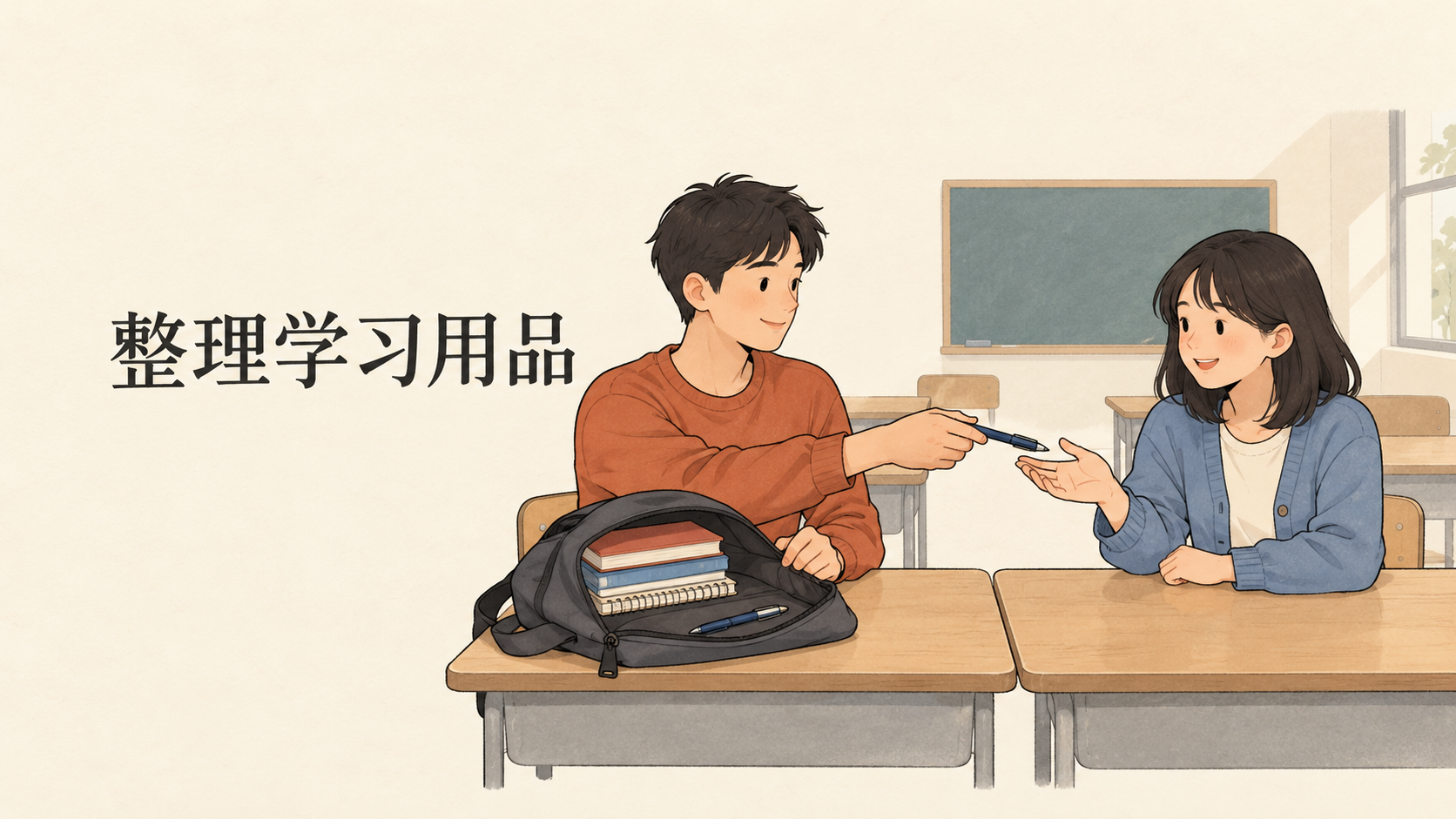
Can organize study supplies in everyday situations and use the vocabulary and sentence patterns of this unit to communicate.

Be able to shop in a mall in everyday situations, using the vocabulary and sentence patterns of this unit to communicate.
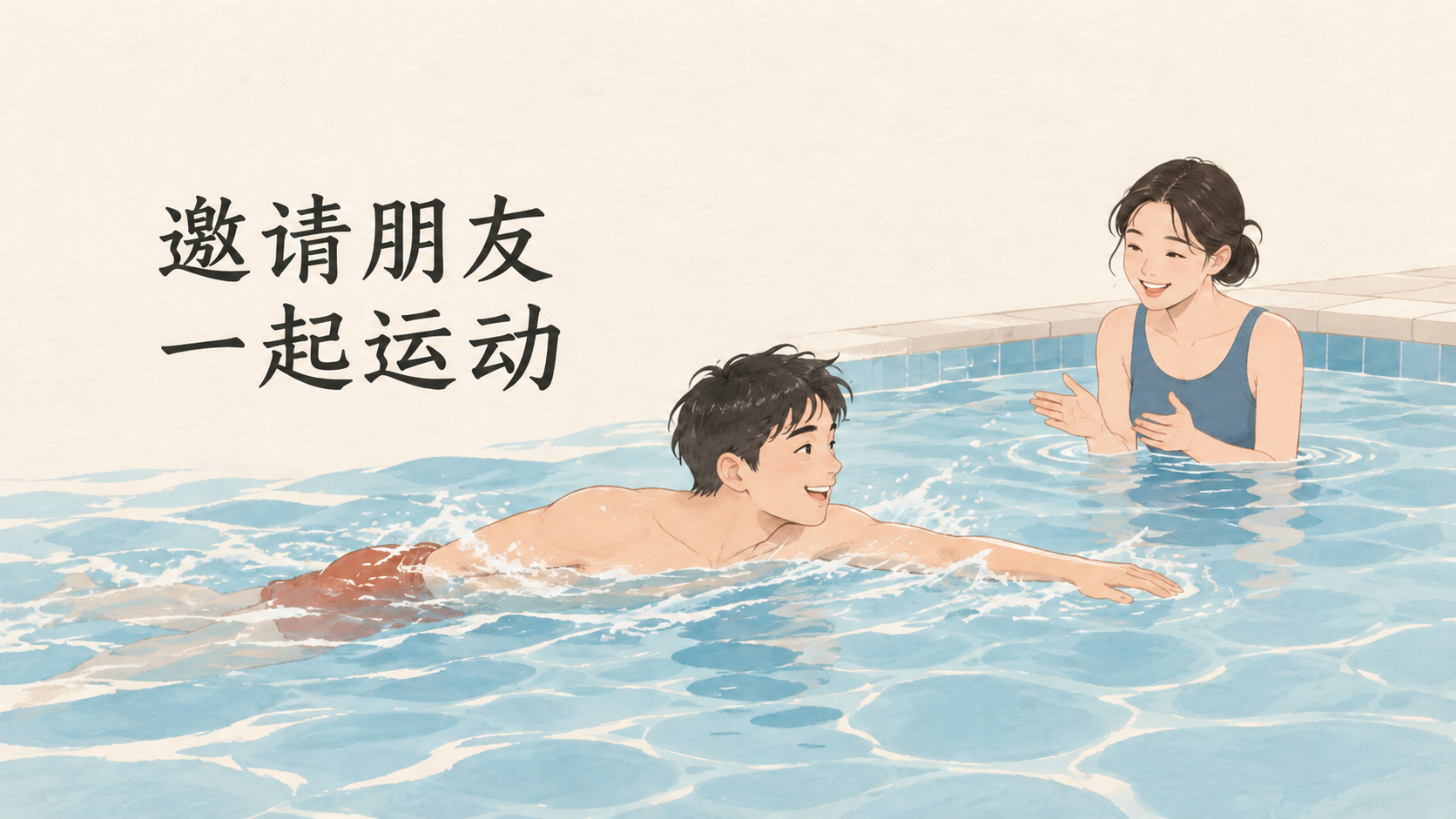
Be able to invite friends to exercise together in everyday situations, using the vocabulary and sentence patterns of this unit to communicate.
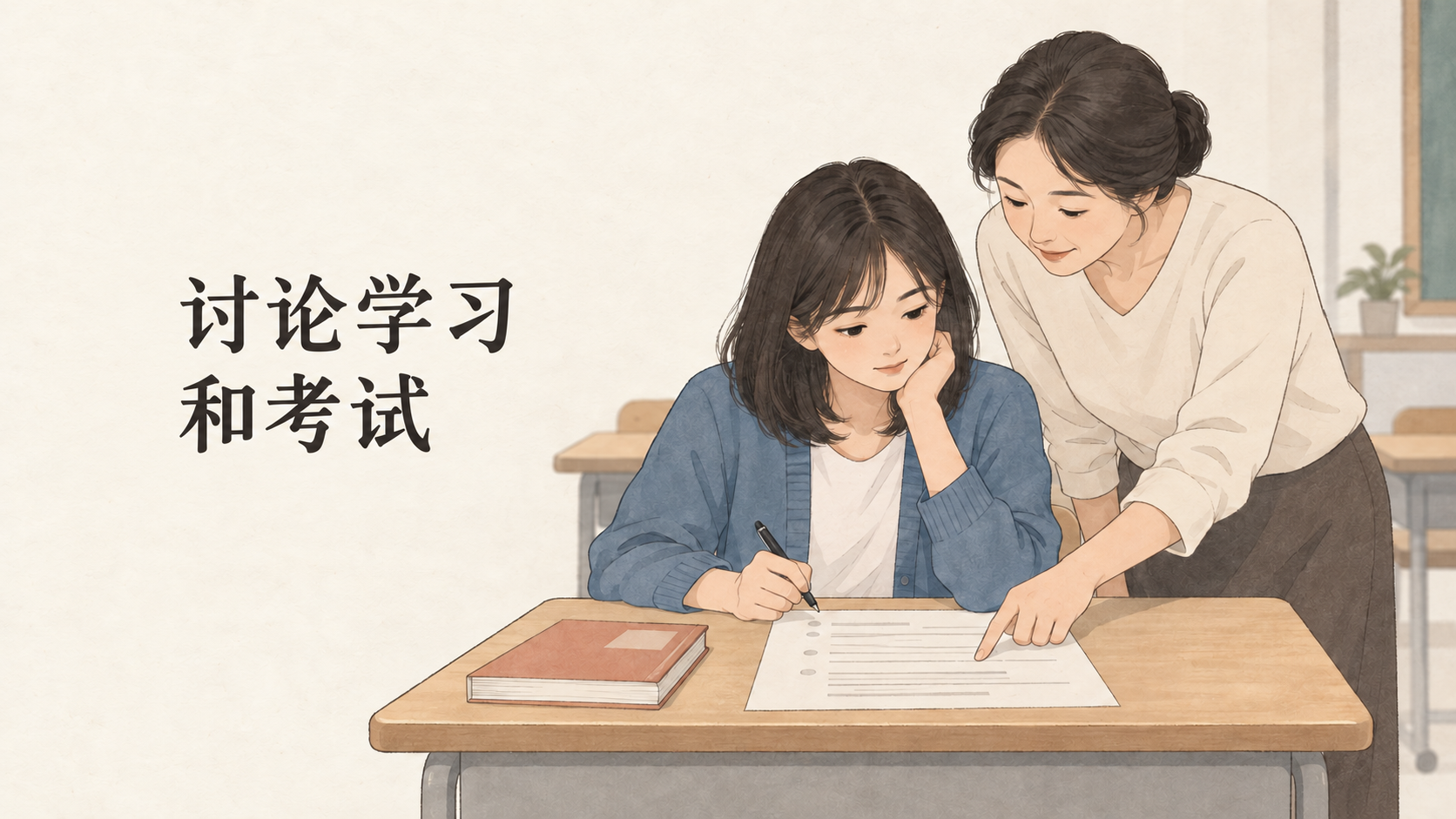
Be able to discuss learning and exams in everyday situations, using the vocabulary and sentence patterns of this unit to communicate.
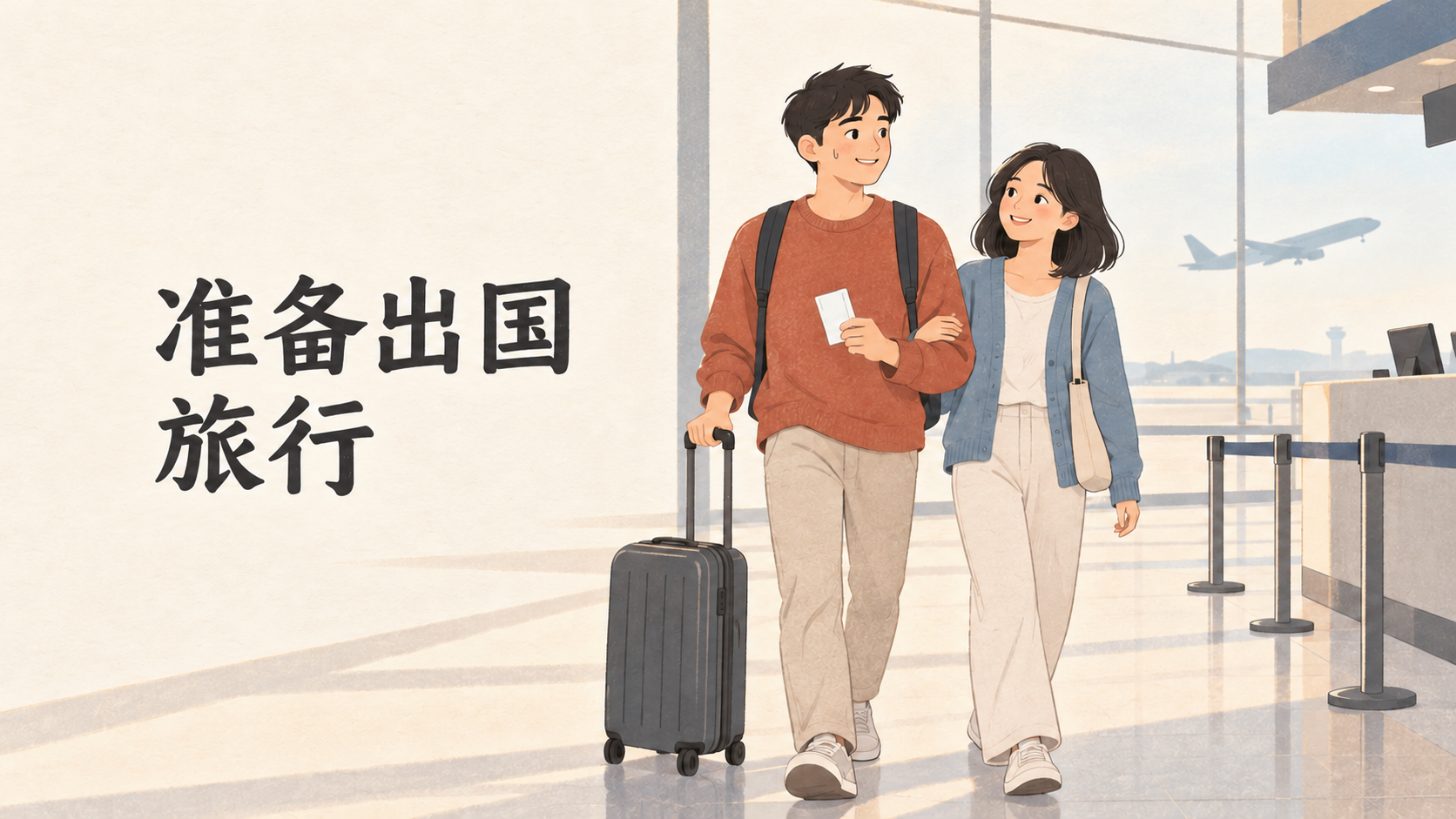
Be able to prepare for an overseas trip in everyday situations and communicate using the vocabulary and sentence patterns of this unit.

Be able to describe the actions of going up and down stairs in everyday situations, and use the vocabulary and sentence patterns of this unit to communicate.
Be able to discuss weather and outing plans in everyday situations, using the vocabulary and sentence patterns of this unit to communicate.

Be able to talk about hopes and study methods in everyday situations, using the vocabulary and sentence patterns of this unit to communicate.

Before taking unexpected leave, Xiao Zhou organizes tasks, files, and contacts so a colleague can take over smoothly and complete the client work on time.

When her high-speed train is delayed, Chen Yue checks the information, changes route, and finally reaches her destination on time.

Xiaomei visits a friend who has just left hospital, keeps the visit short, brings useful items, and respects her need to rest.

After becoming ill, Xiao Lin promptly requests leave, asks a classmate for help, and receives replies from both the teacher and the classmate.

Students observe neighborhood preparations over time and learn through couplets, lanterns, a temple fair, and family activities how traditions are made together.

Anna misses her friend's speech because she is late, then apologizes sincerely, explains why, and receives her friend's understanding.
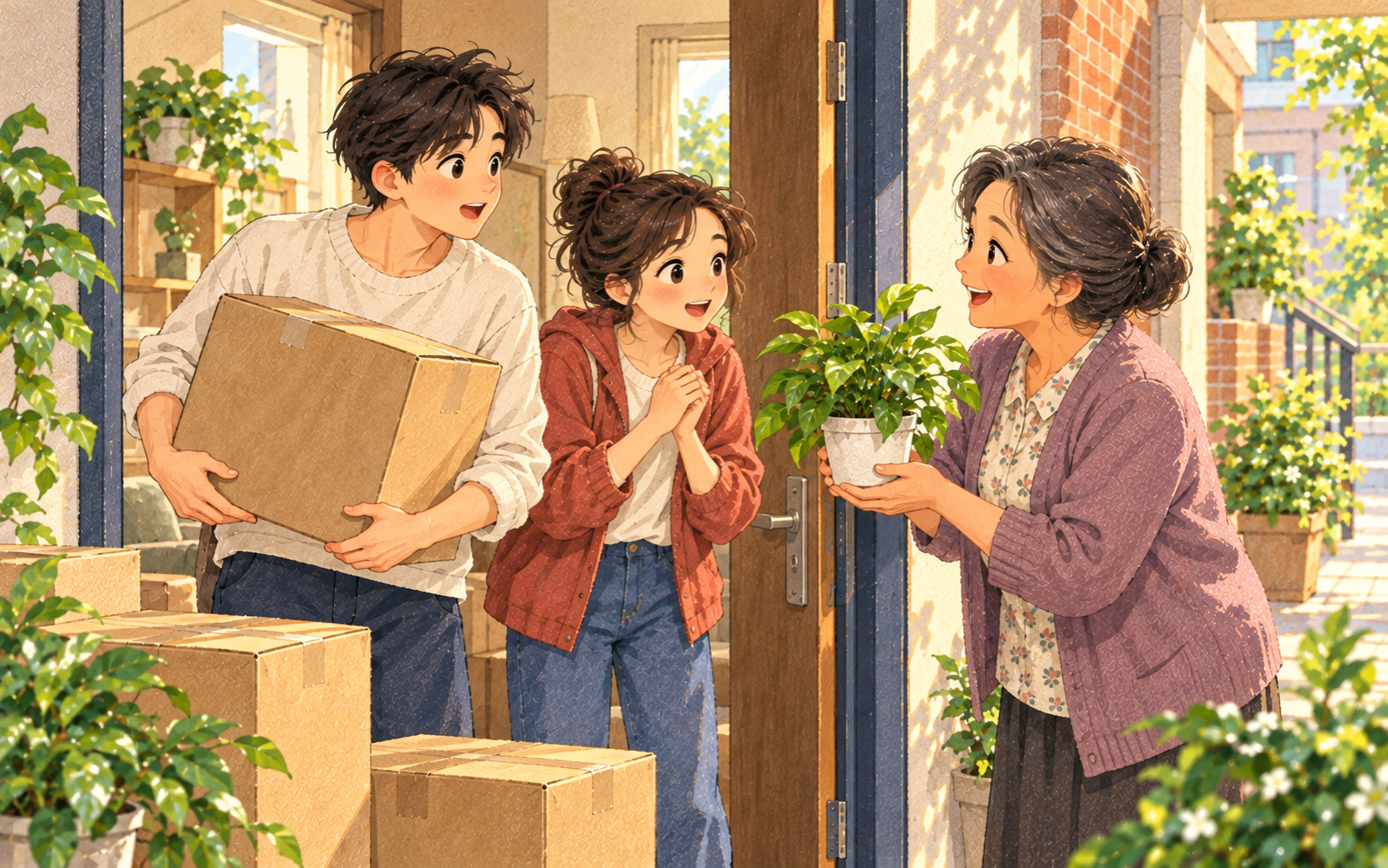
After moving into his new home, Xiao Zhou shares the cleaning and furniture arrangement with friends and meets a helpful neighbour.

Anna moves from being afraid to speak to actively joining classroom and family conversations, gradually adapting to a new language-learning environment.

Lao Chen turns years of driving experience and interest in the city into a new career, changing fields through study and trial tours.

Xiao Zhou realizes that he often orders takeout and orders too much, so he gradually changes his eating habits.

A new student moves from worrying about the race to completing the relay and helping the radio station, experiencing cooperation and support on campus.

The team first sees Xiao Zhou in a photo, then discovers that she is thinner and very friendly in person.

Friends from three regions cook together, using dumplings, rice, and noodles to share their family flavors and food memories.

A photography group adjusts its activity when it rains, then captures unusual images and holds a small exhibition.
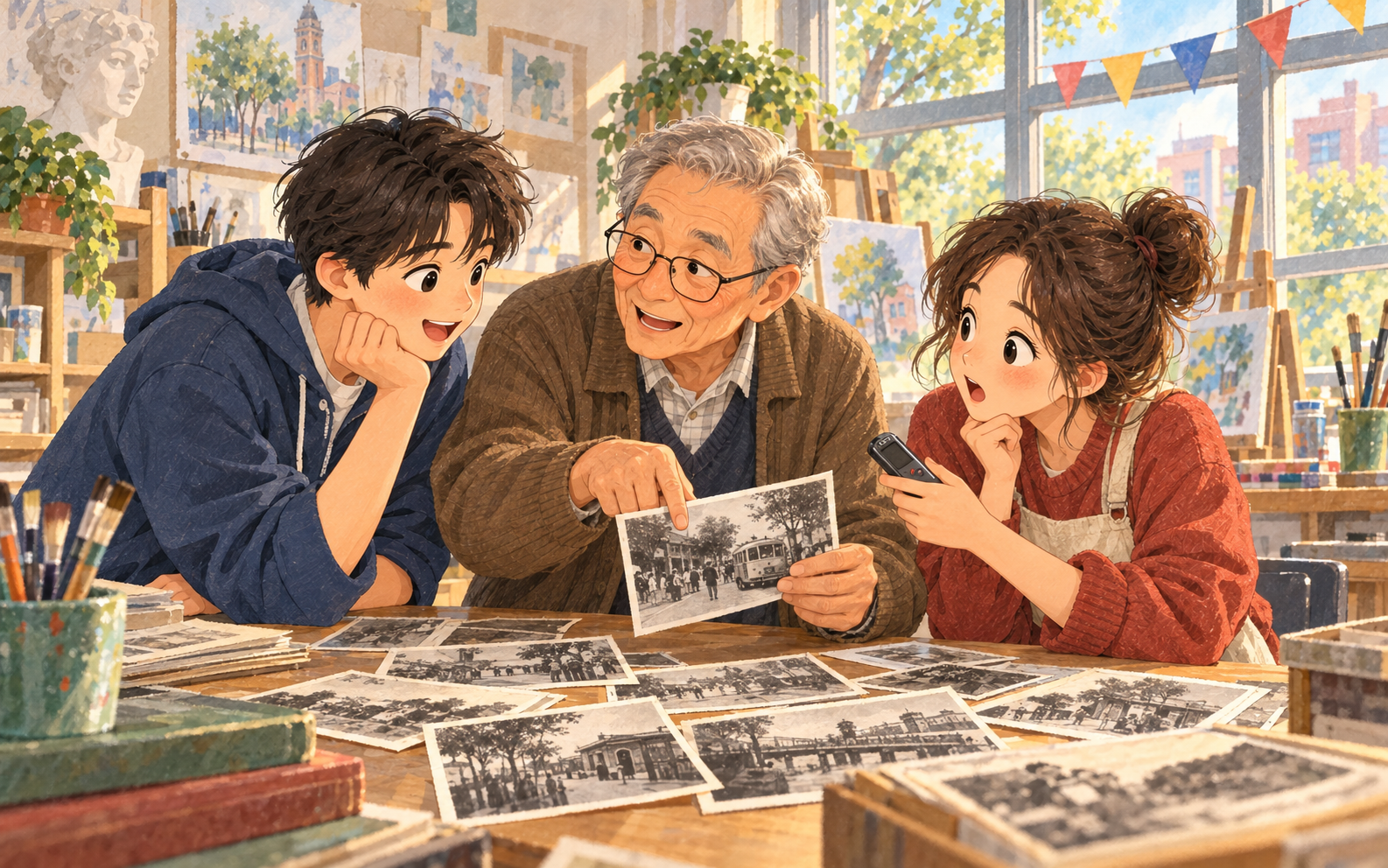
Students create a small exhibition combining old photos, city sounds, and live stories so different visitors can understand local history.

Family members keep their own healthy habits and strengthen their relationships by sharing chores and spending time with older relatives.
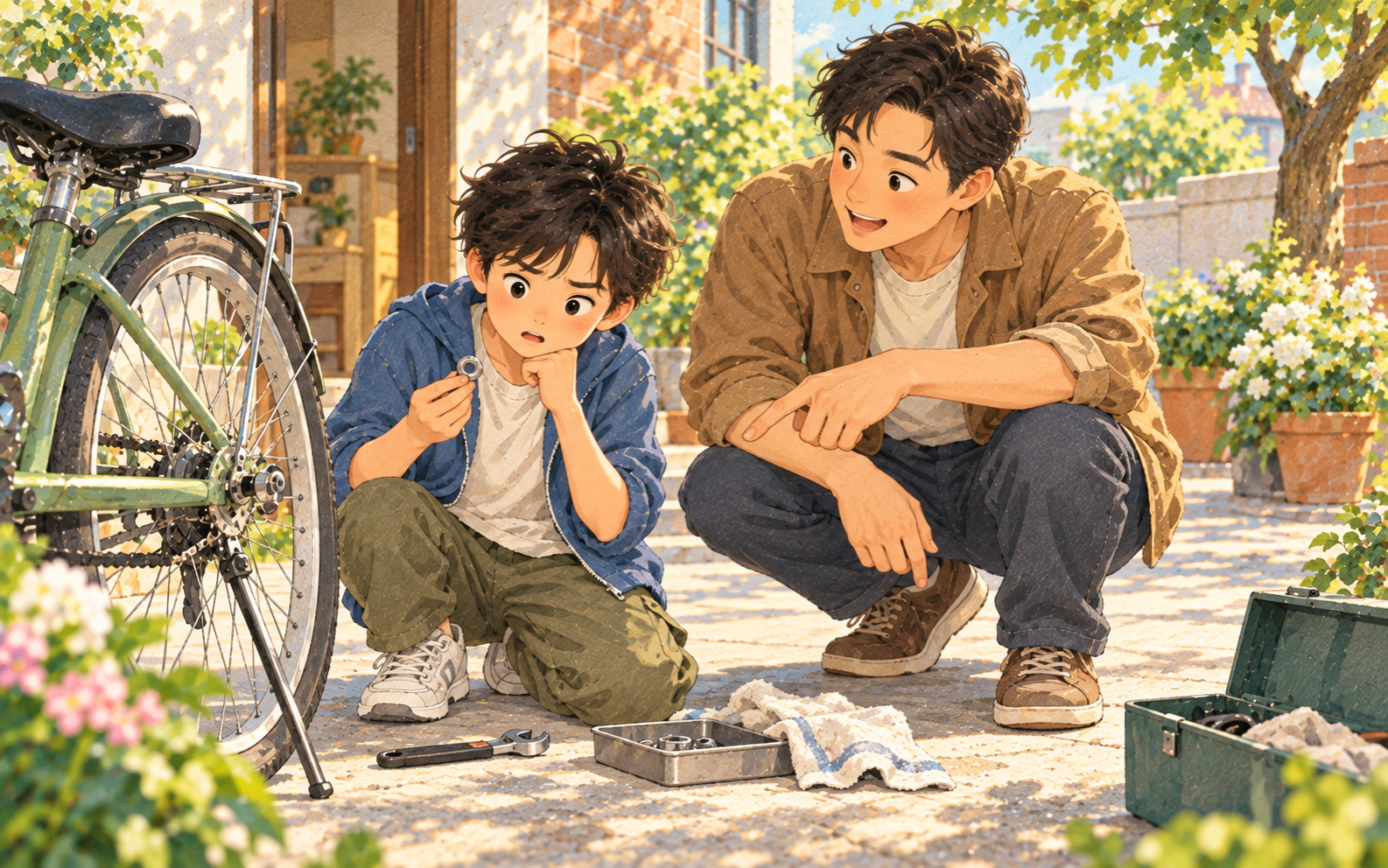
Instead of fixing the bicycle immediately for his child, a father uses questions and support to help the child complete the repair independently.

After dropping the baton in a relay, the school team calmly finishes and uses the experience to rethink results and teamwork.
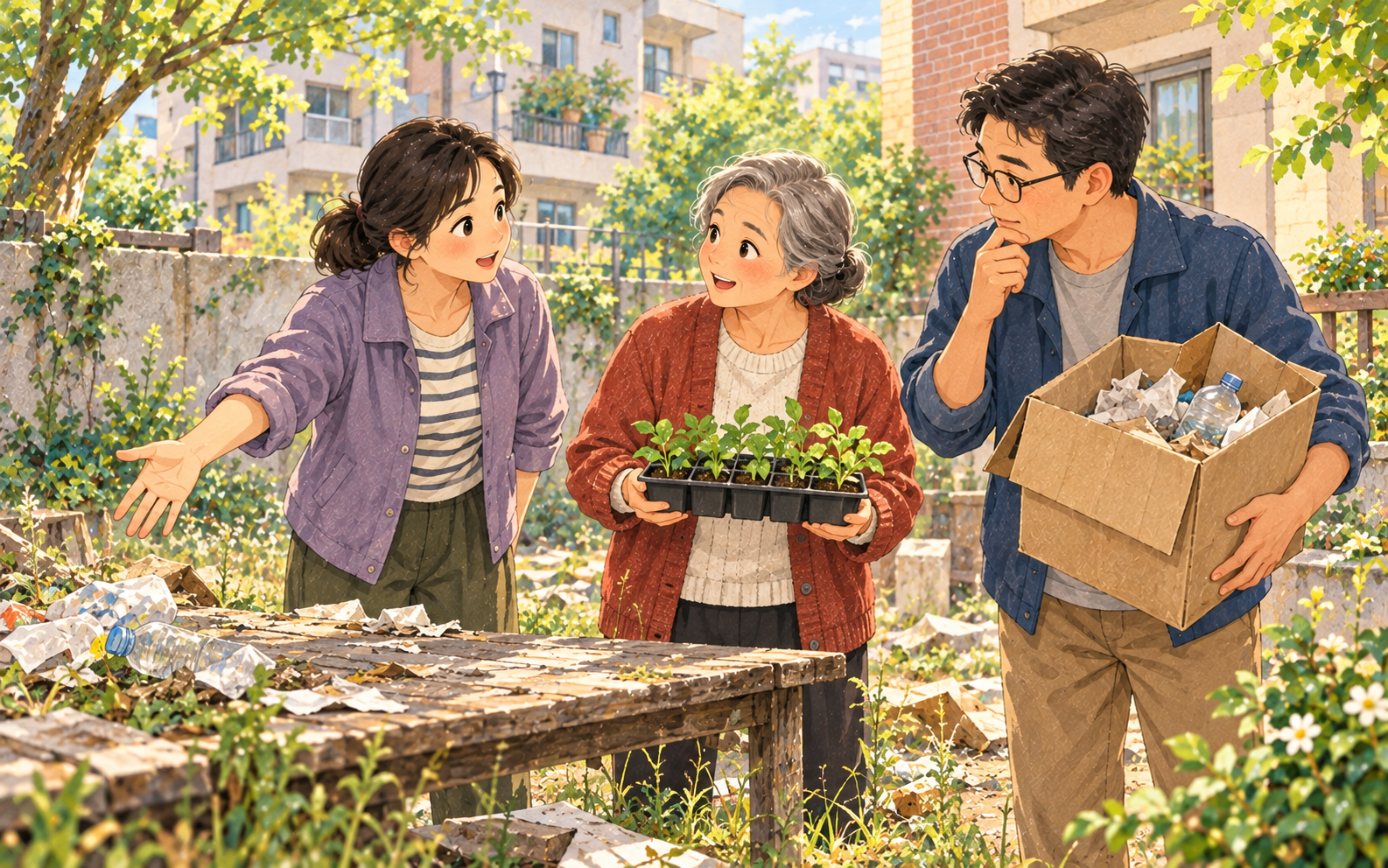
Residents turn an empty lot piled with old things into a community garden and take turns caring for the new shared space.
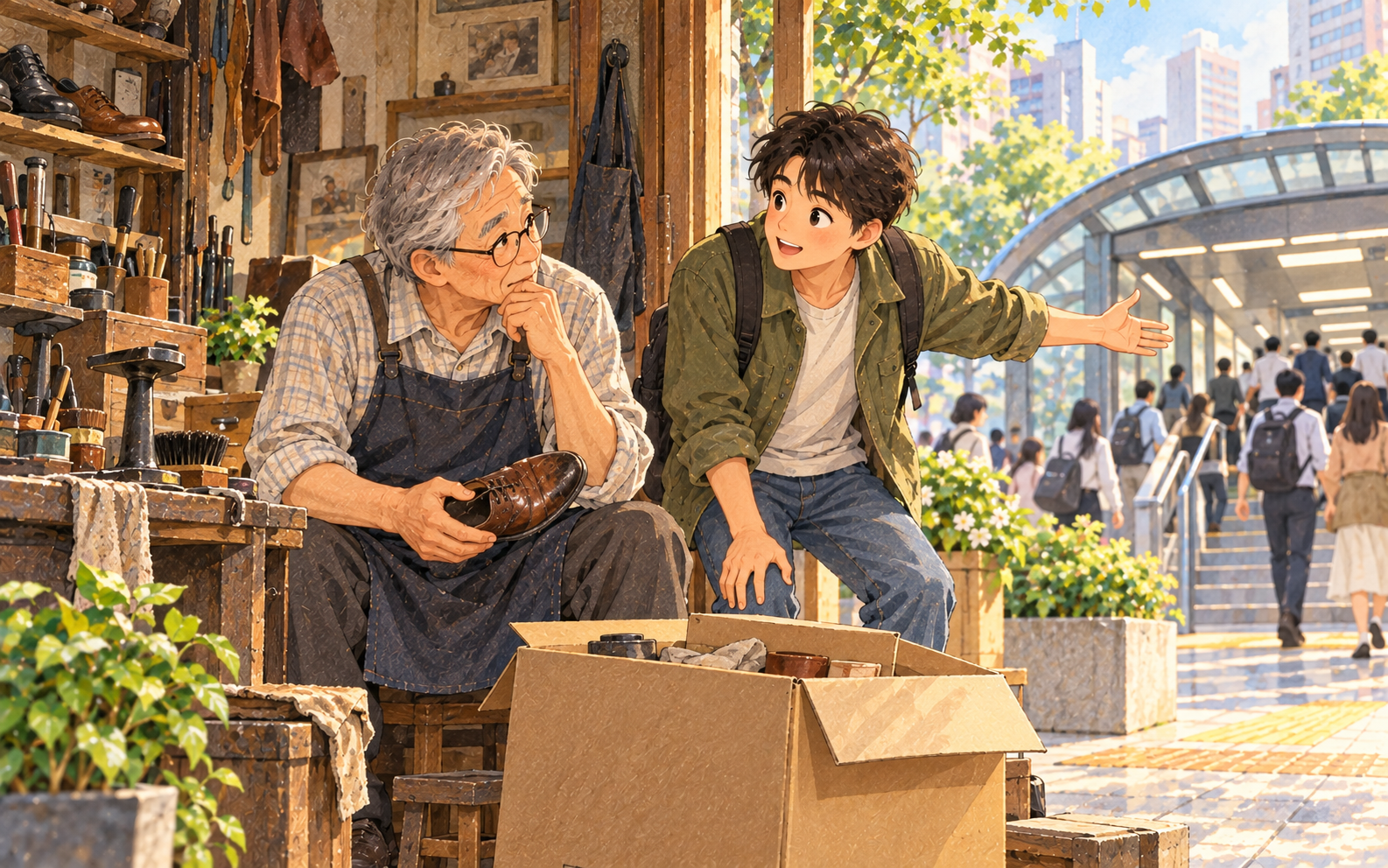
An old shoe repair shop adapts to changes after the metro opens through online booking and community service while preserving familiar human connections.

When buying a top online, Fang Lin checks only the size and not the material, then has to exchange it after delivery.
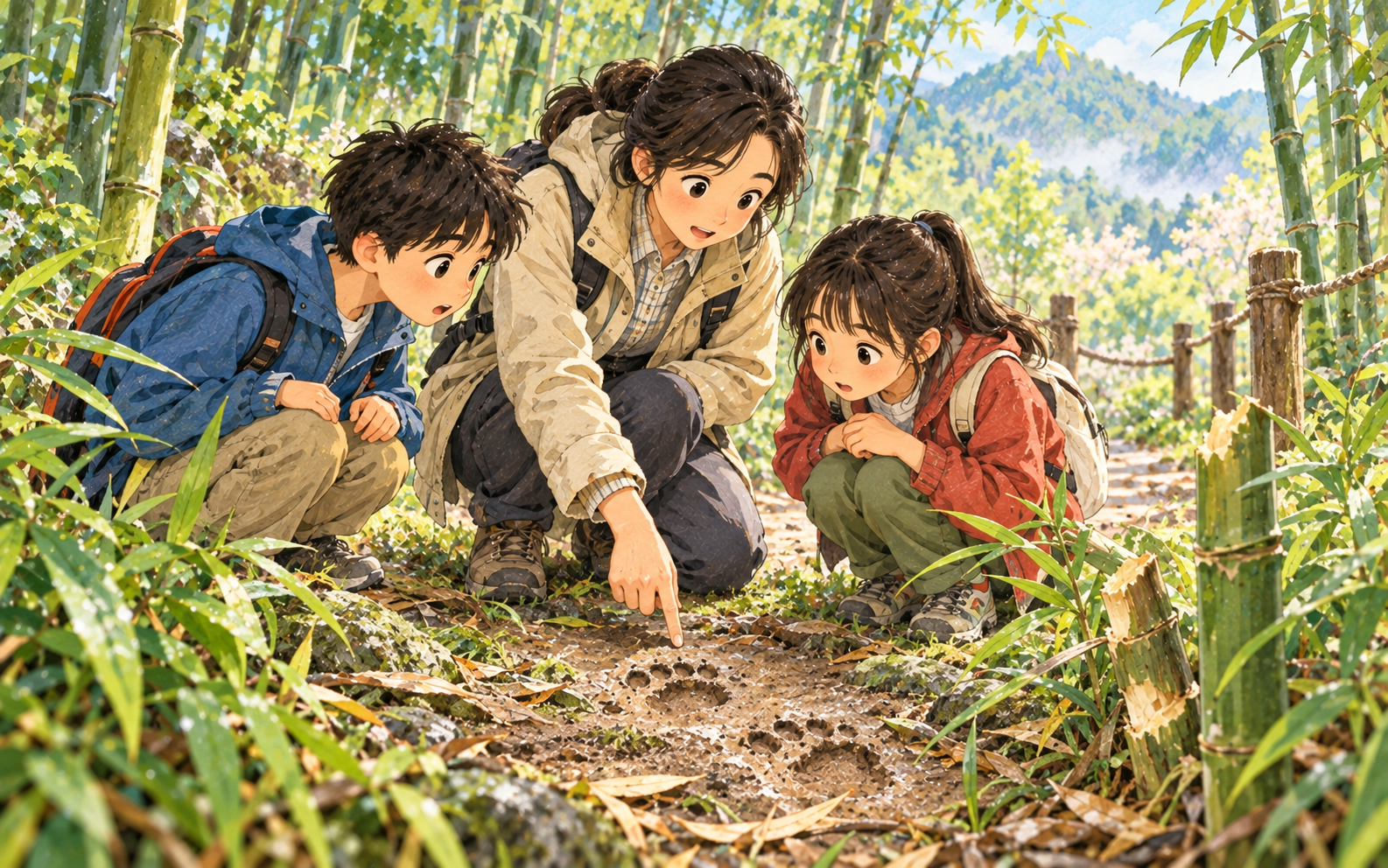
A nature observation group looks for evidence of giant panda activity in a reserve by studying tracks, bamboo, and the environment.

Chen Hao compares two jobs through long-term growth.

Lin Yue stops seeking sudden change and uses small steps in sleep, diet, and exercise to reduce stress.

Zhou Ming visits fewer sights and gains a deeper experience through walking, reading, and conversation.

A misunderstanding at a Chinese contest leads two contestants to help each other and stay in touch.
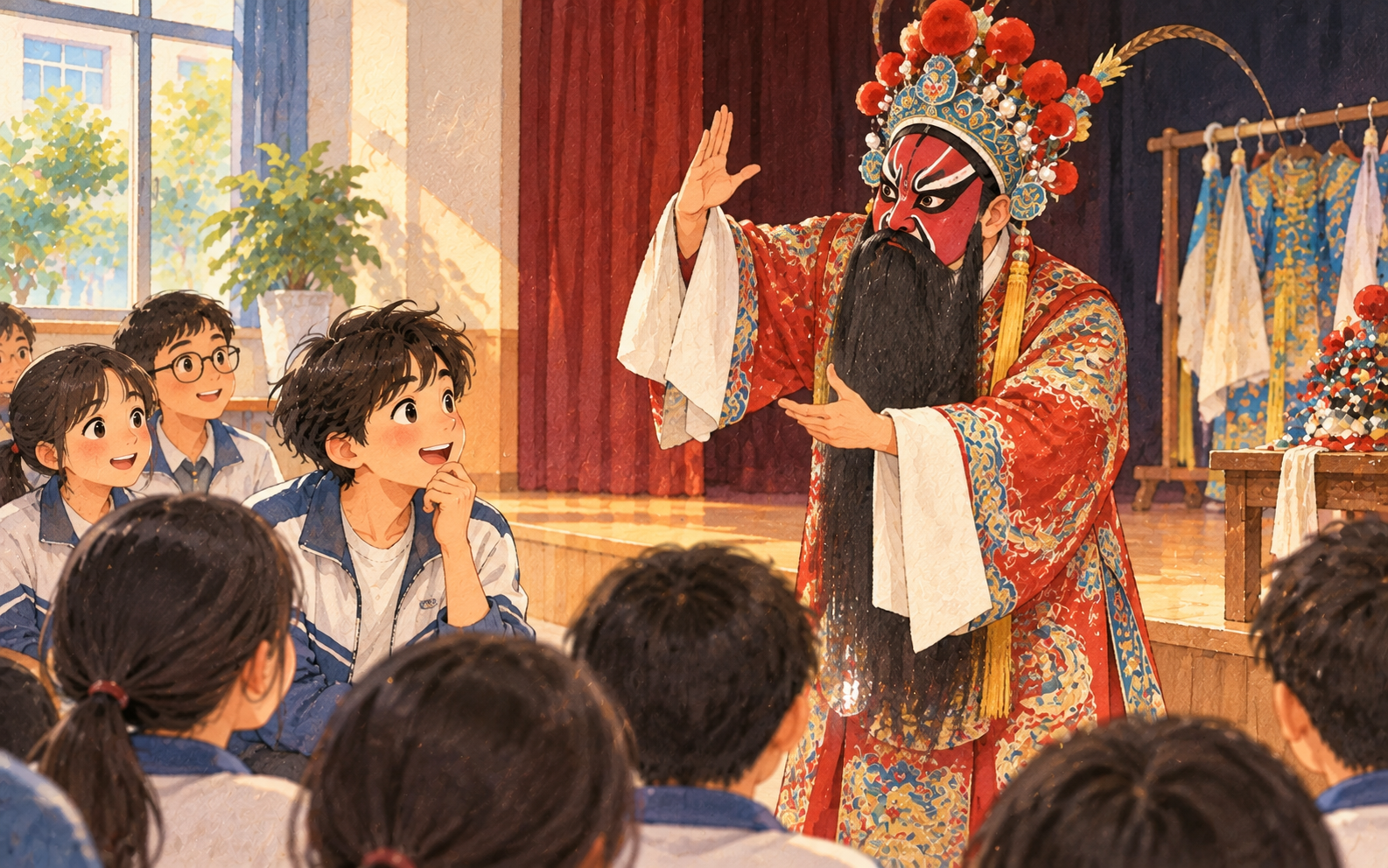
A campus Peking Opera activity teaches a student to observe before asking.

In a competition, sincere encouragement and gracious congratulations turn rivals into friends.

Four out-of-order cards teach students to reconstruct a historical timeline.

A student improves learning by changing the order of review.
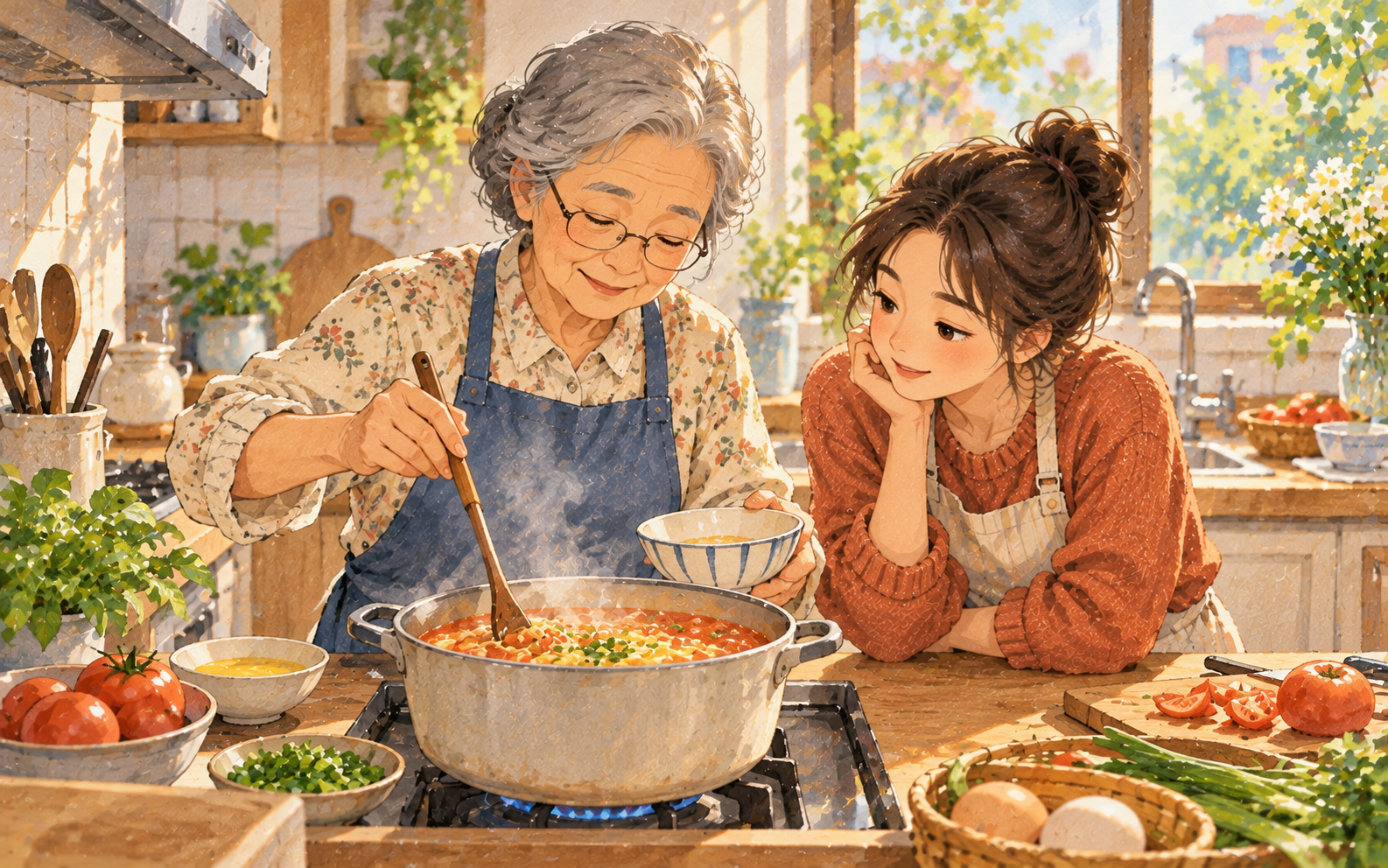
Lin Yue records her grandmother’s recipe and learns why a home dish can move people.

Two students choose destinations using climate and seasons.
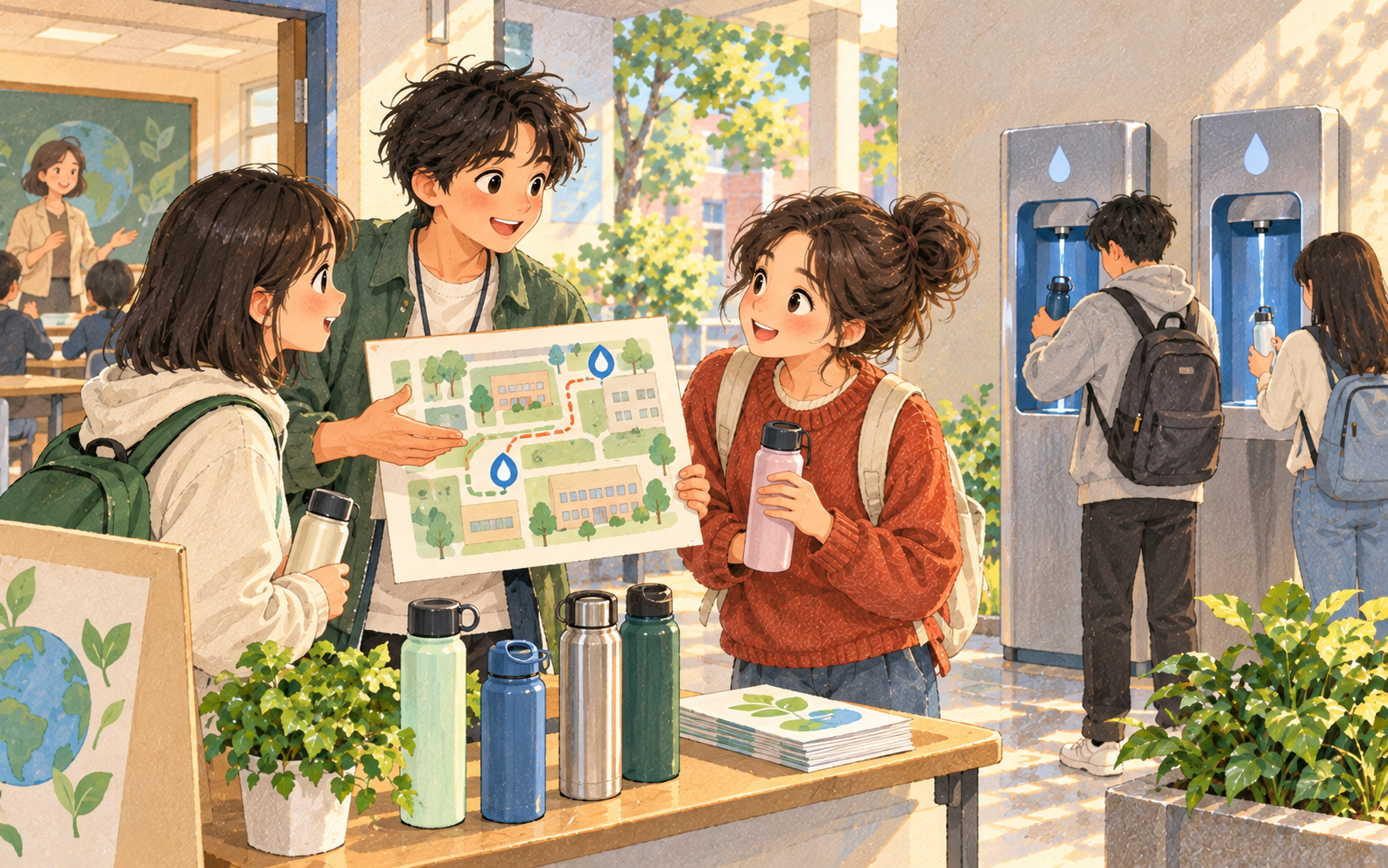
A school reduces plastic bottles with refill stations.
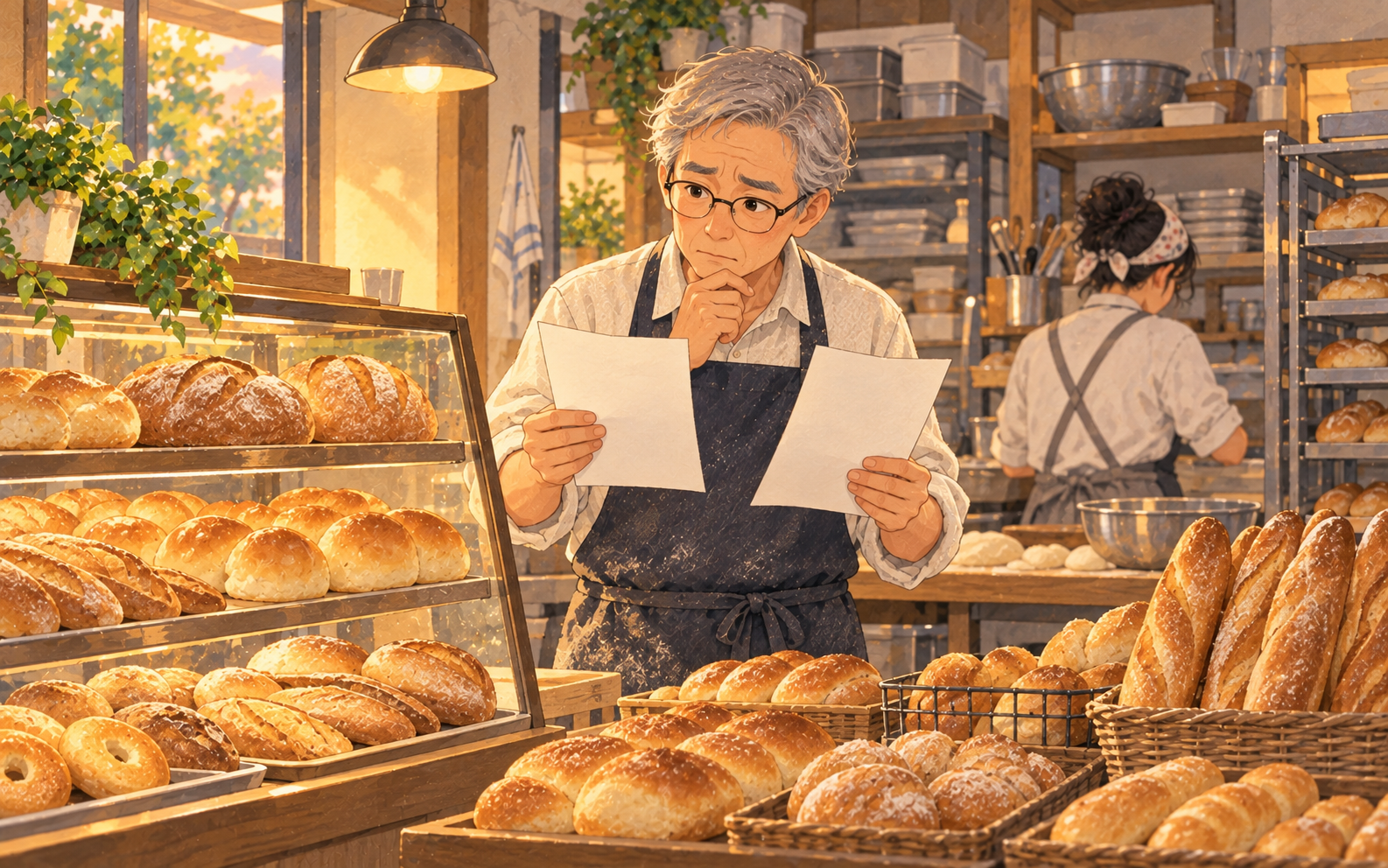
A small shop stops adding products blindly and uses customer records to improve quality and income.
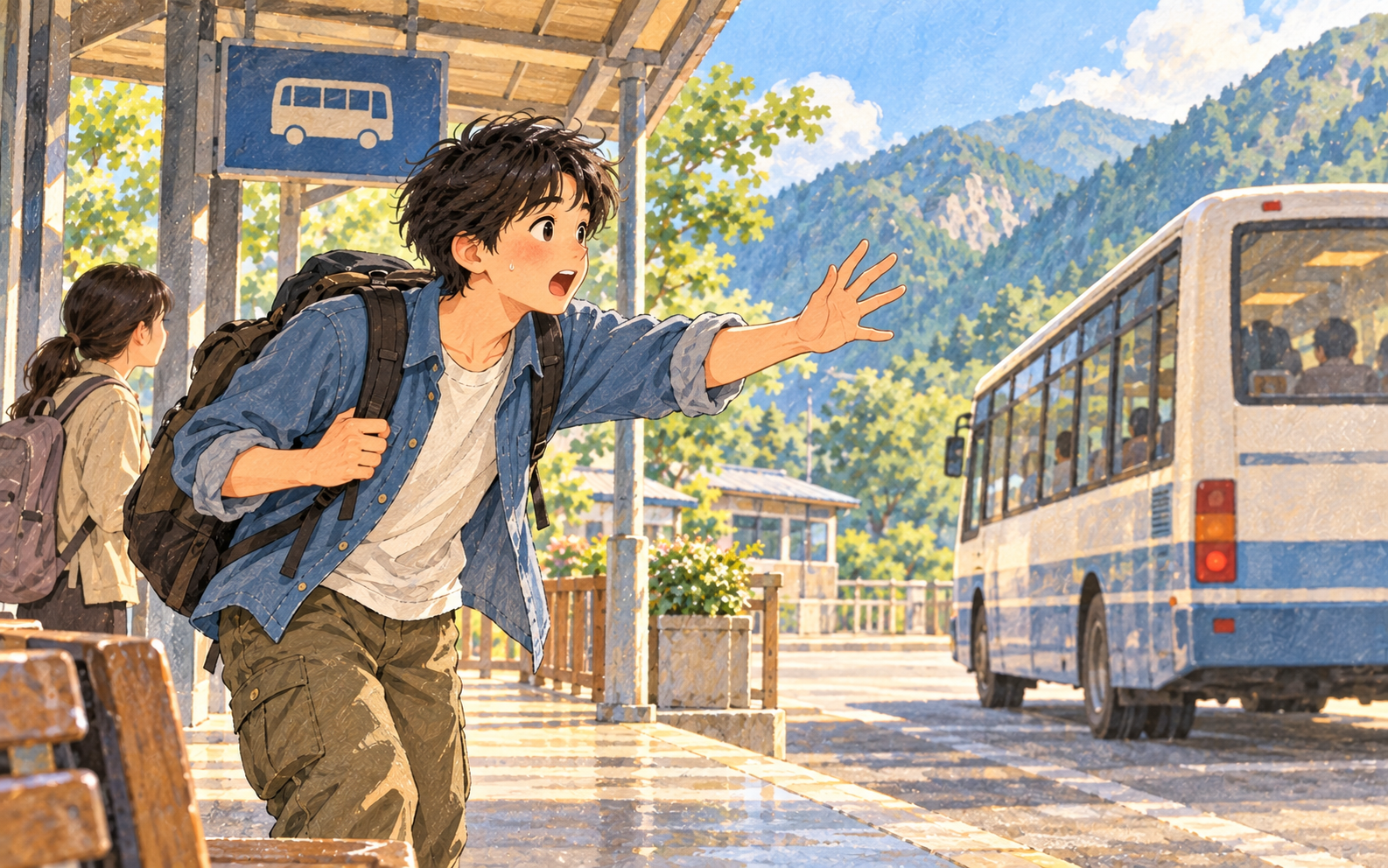
Missing a bus teaches Zhou Ming to leave buffer time in travel plans.

A simple chart helps a younger brother move from needing reminders to taking initiative.

A return experience teaches Lin Yue that a low price is not always a low cost.

A handover checklist helps a new employee reduce omissions and earn trust.
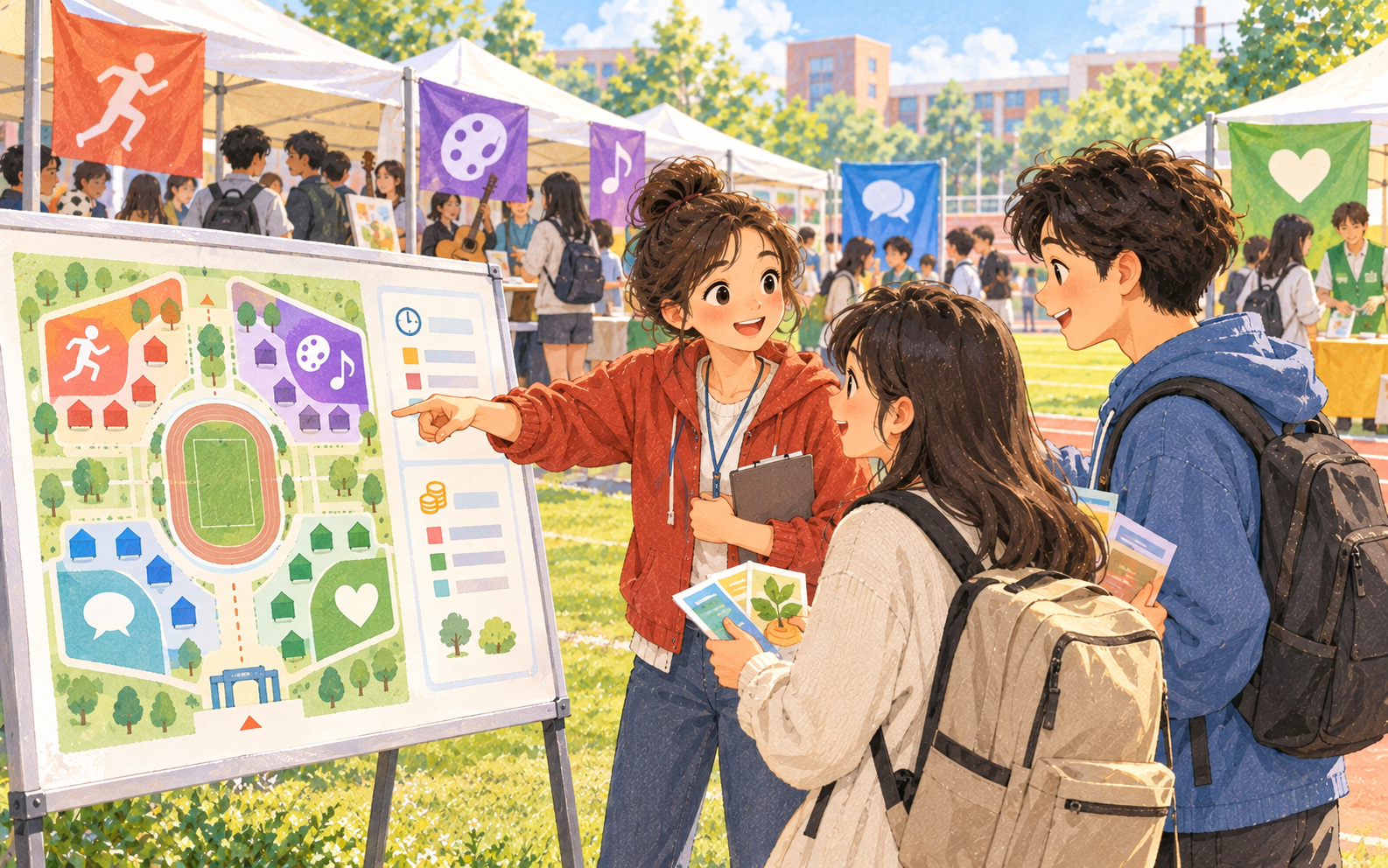
After students improve the event map, newcomers find and join clubs more easily.
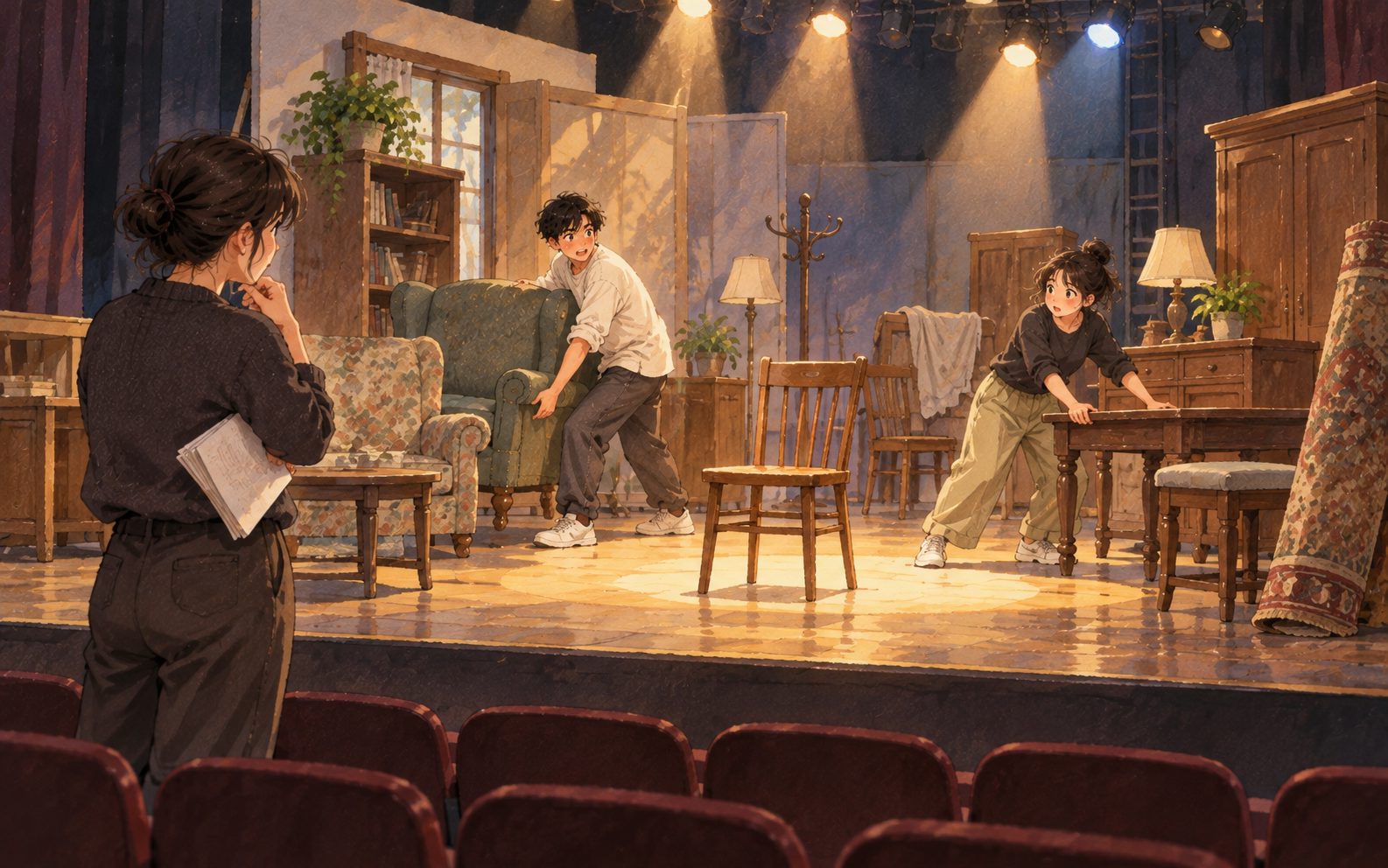
Community actors shift from elaborate stage design to expressing farewell through movement and voice.
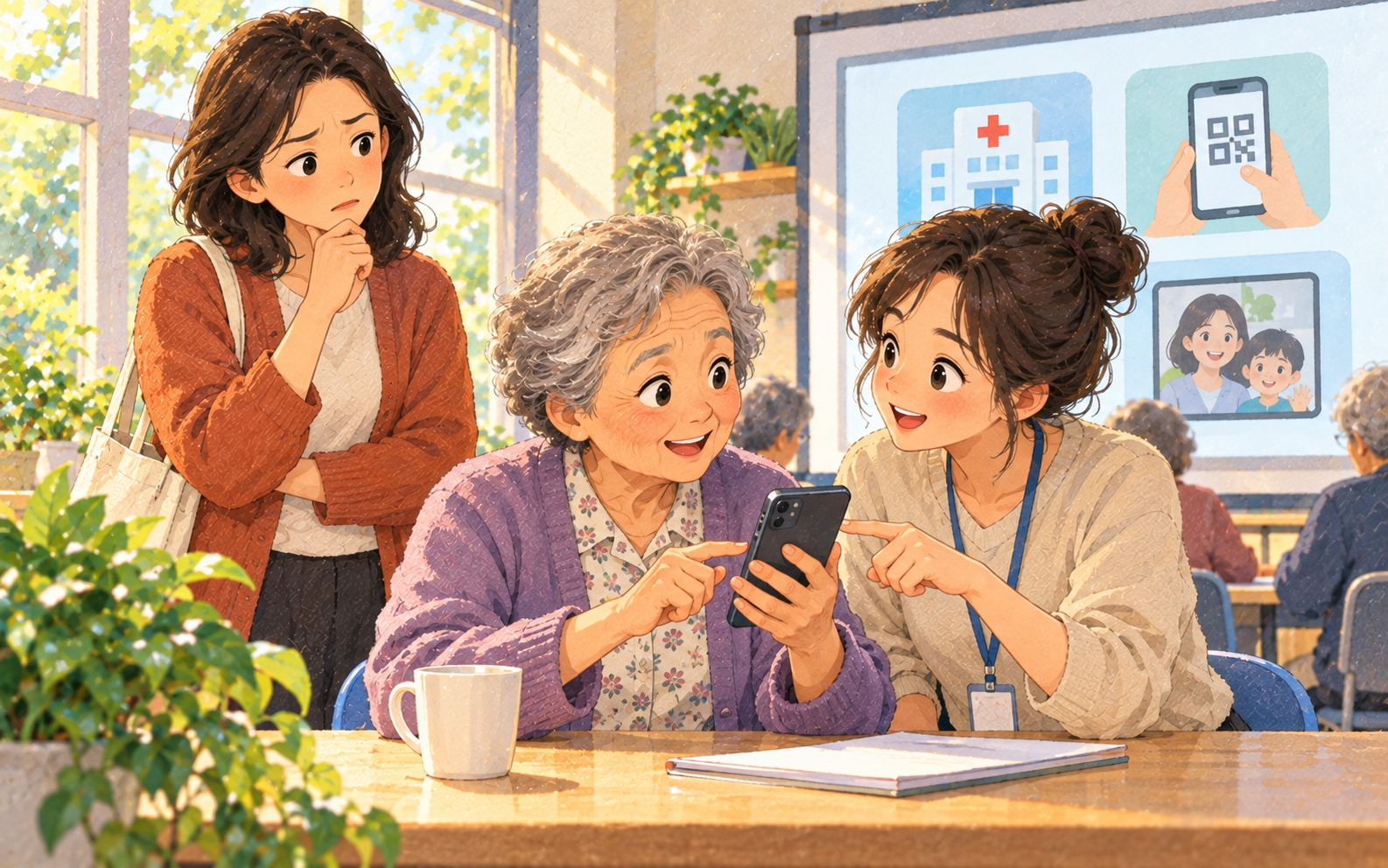
A community class solves daily problems and changes a family's view of learning age.

After a misunderstanding, two old friends use honest letters to understand each other again.

Neighbors resolve an electricity dispute in a shared space by recording use and discussing it openly.

Zhou Ming uses his order and case number to resolve a notification error and collect his parcel.

A visitor sees a fuller West Lake after putting down her camera.

Substitute Lin Hao prepares for a decisive moment through observation, notes, and targeted training.
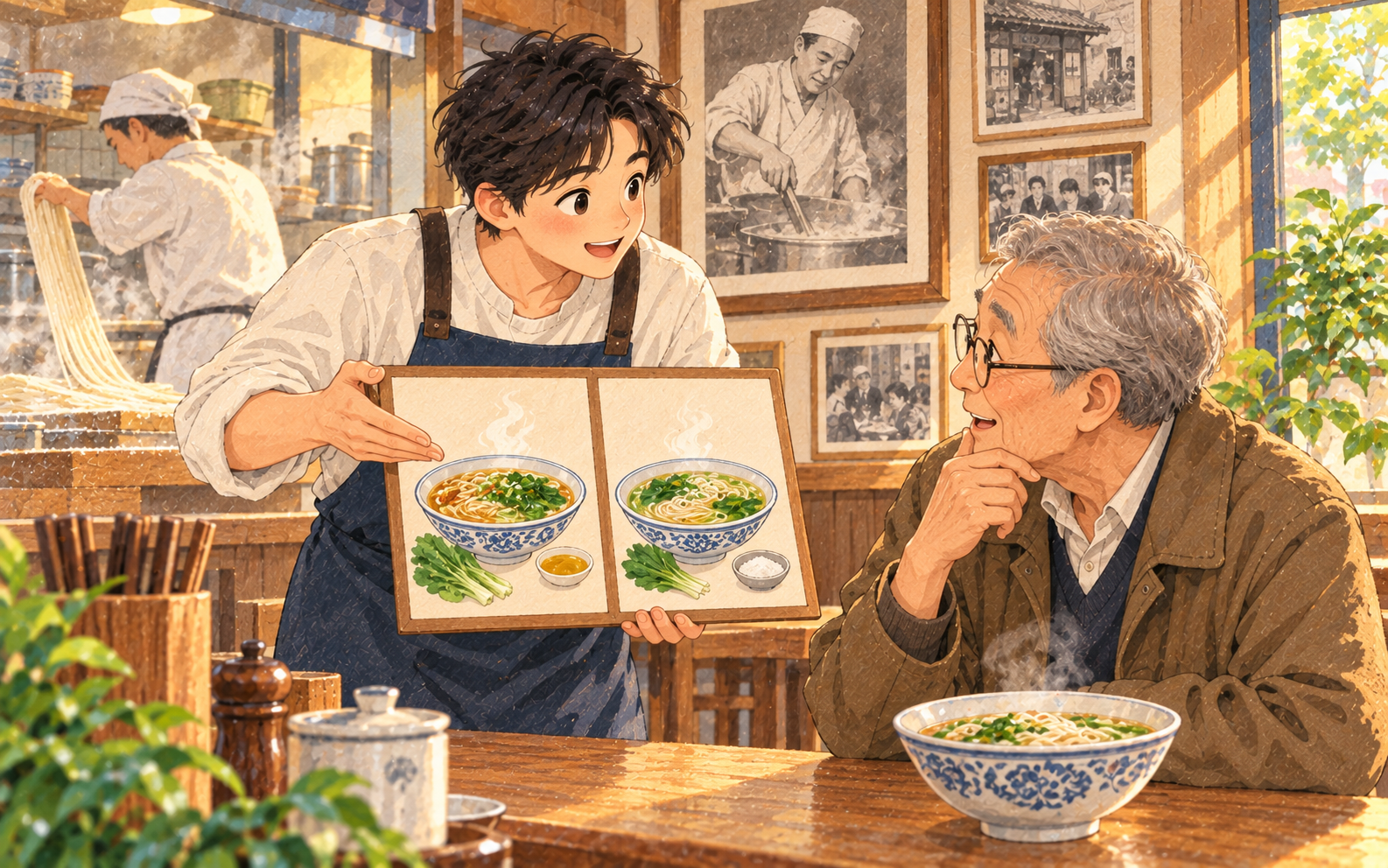
A small restaurant improves service while preserving its old flavor.

Changes in lake water affect how long migratory birds stay.

A new road brings rural opportunities and makes an old shop rethink its value.

A failure helps Lin An truly understand when a saying about failure applies.

A community uses a survey to evaluate smart streetlights.
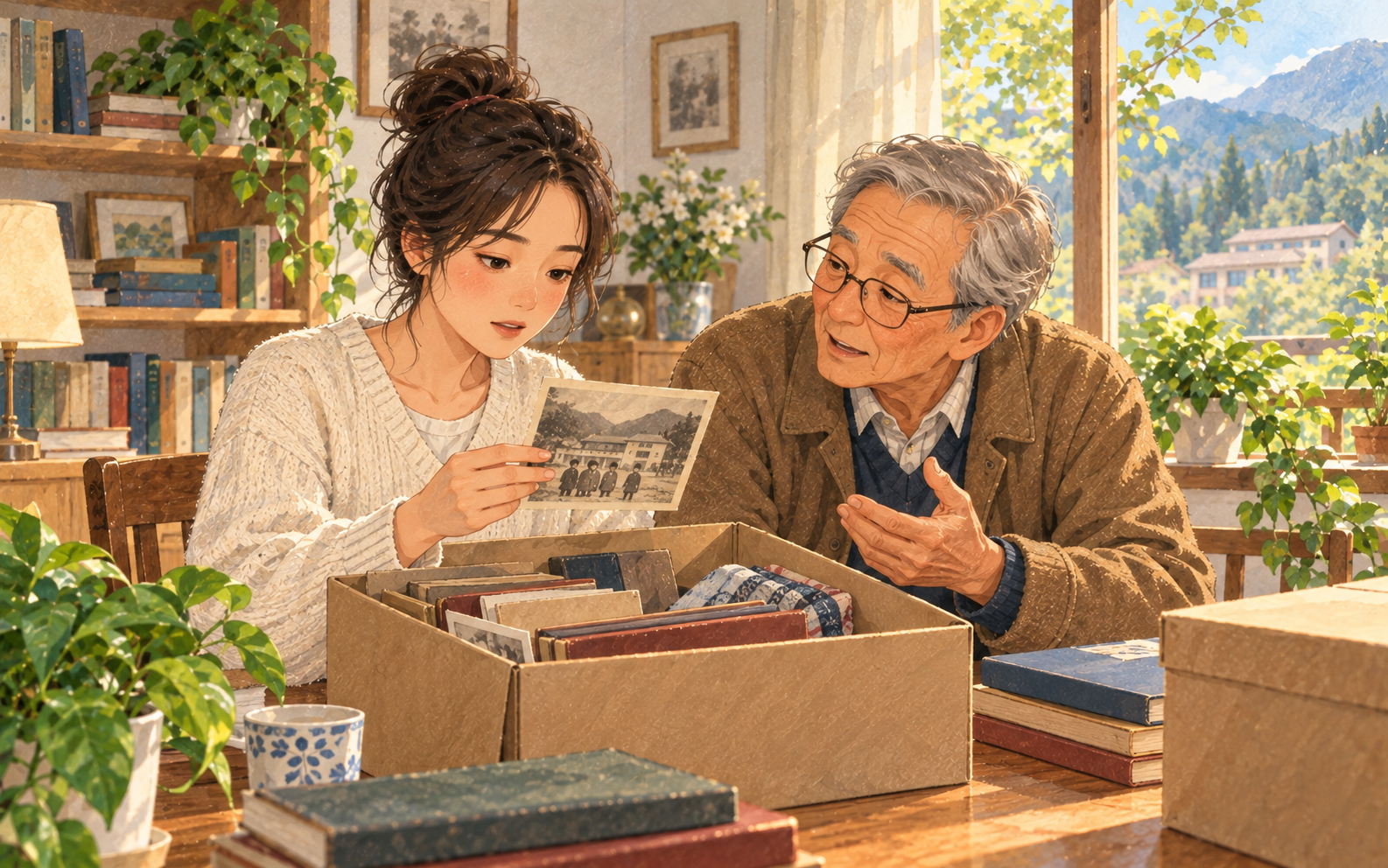
An old photo helps Lin Yue rediscover her grandfather’s youthful choices and character.
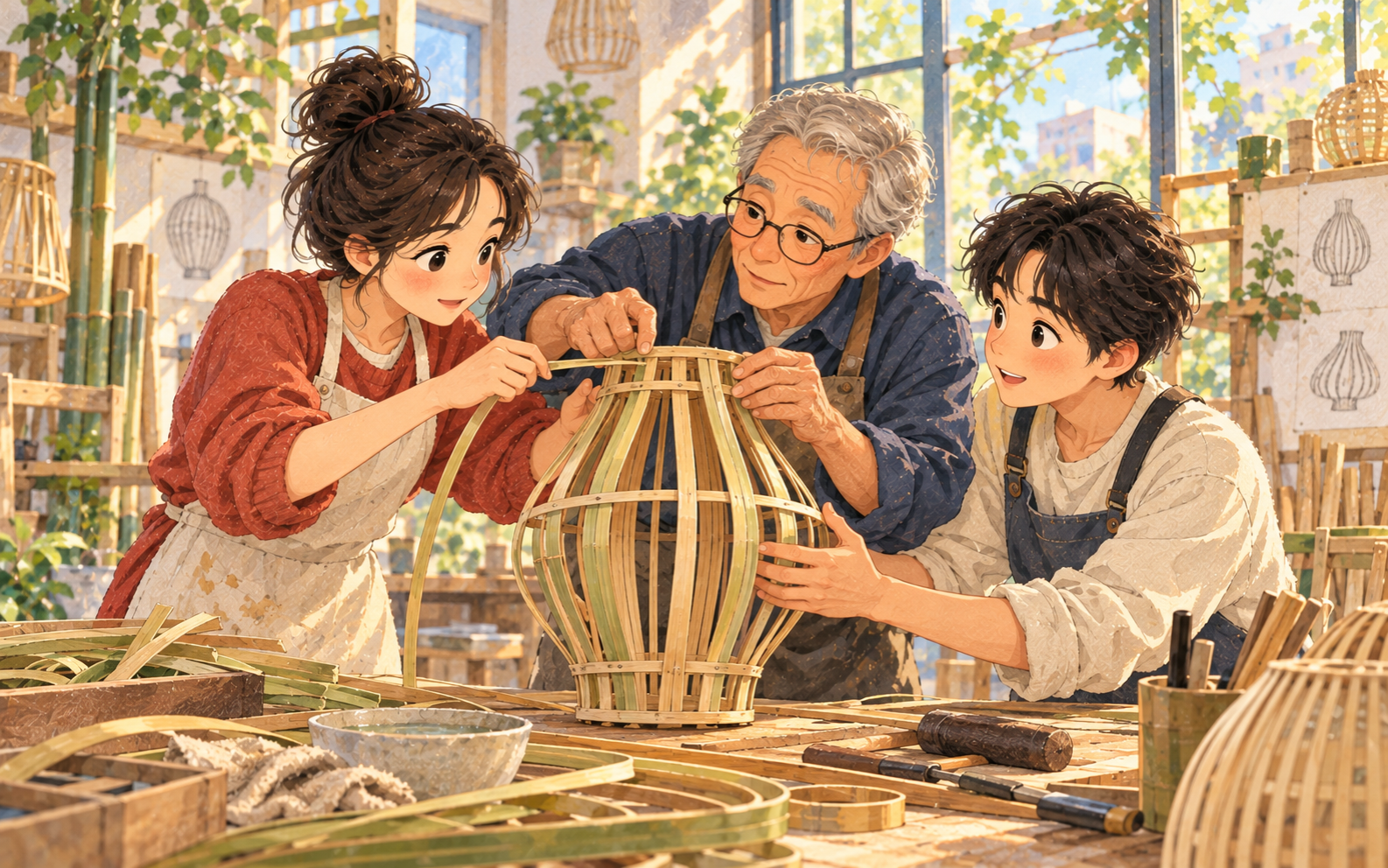
A young artisan responds to modern needs while preserving bamboo-weaving methods.

During an outdoor activity, companions provide calm first aid and call an ambulance in time, preventing further injury.
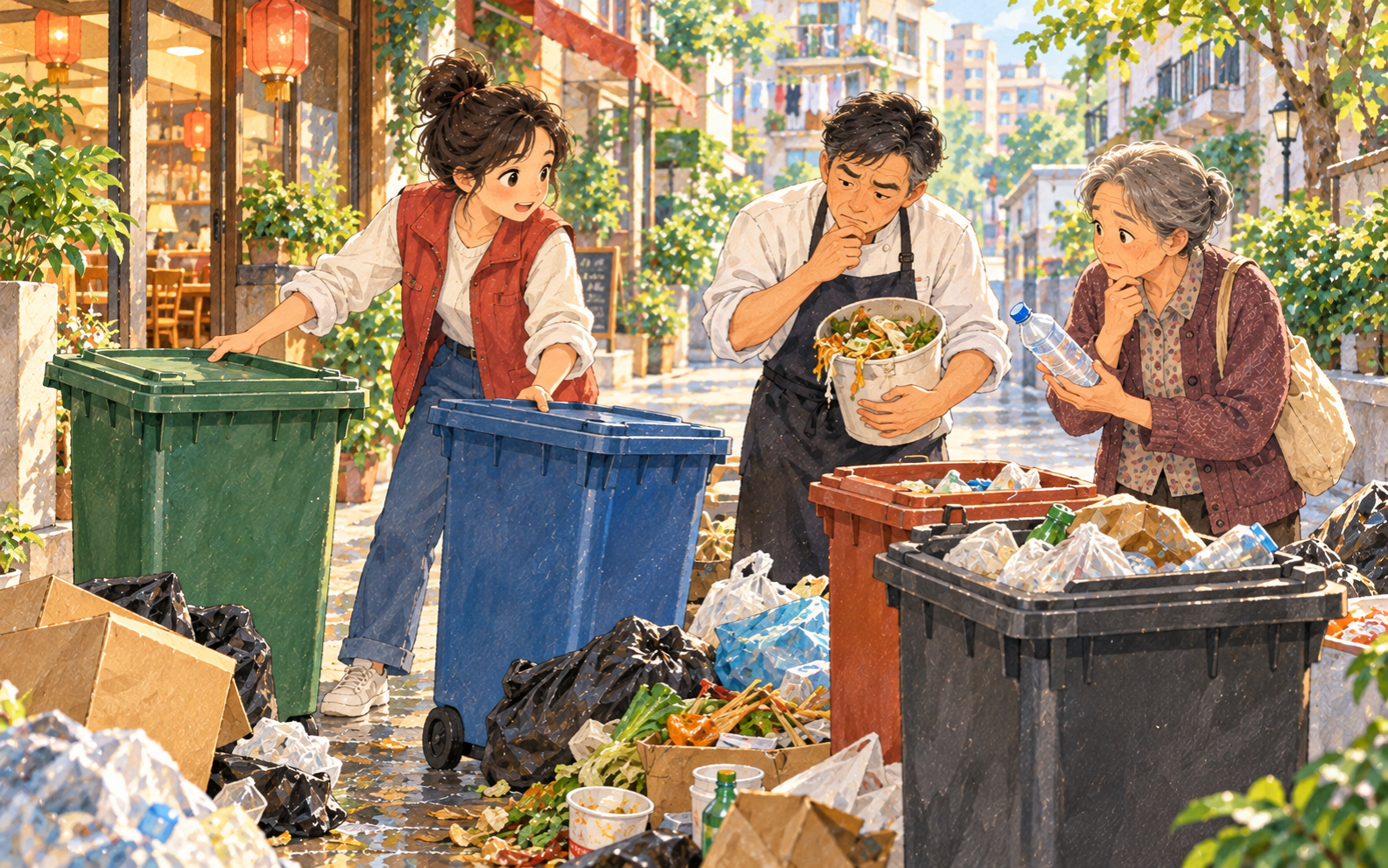
Urban communities use disaggregated data to adjust recycling programs, gradually reduce waste and improve public spaces.

A traveler listens to locals’ suggestions at a night market and tries snacks with ordinary ingredients but unique recipes.
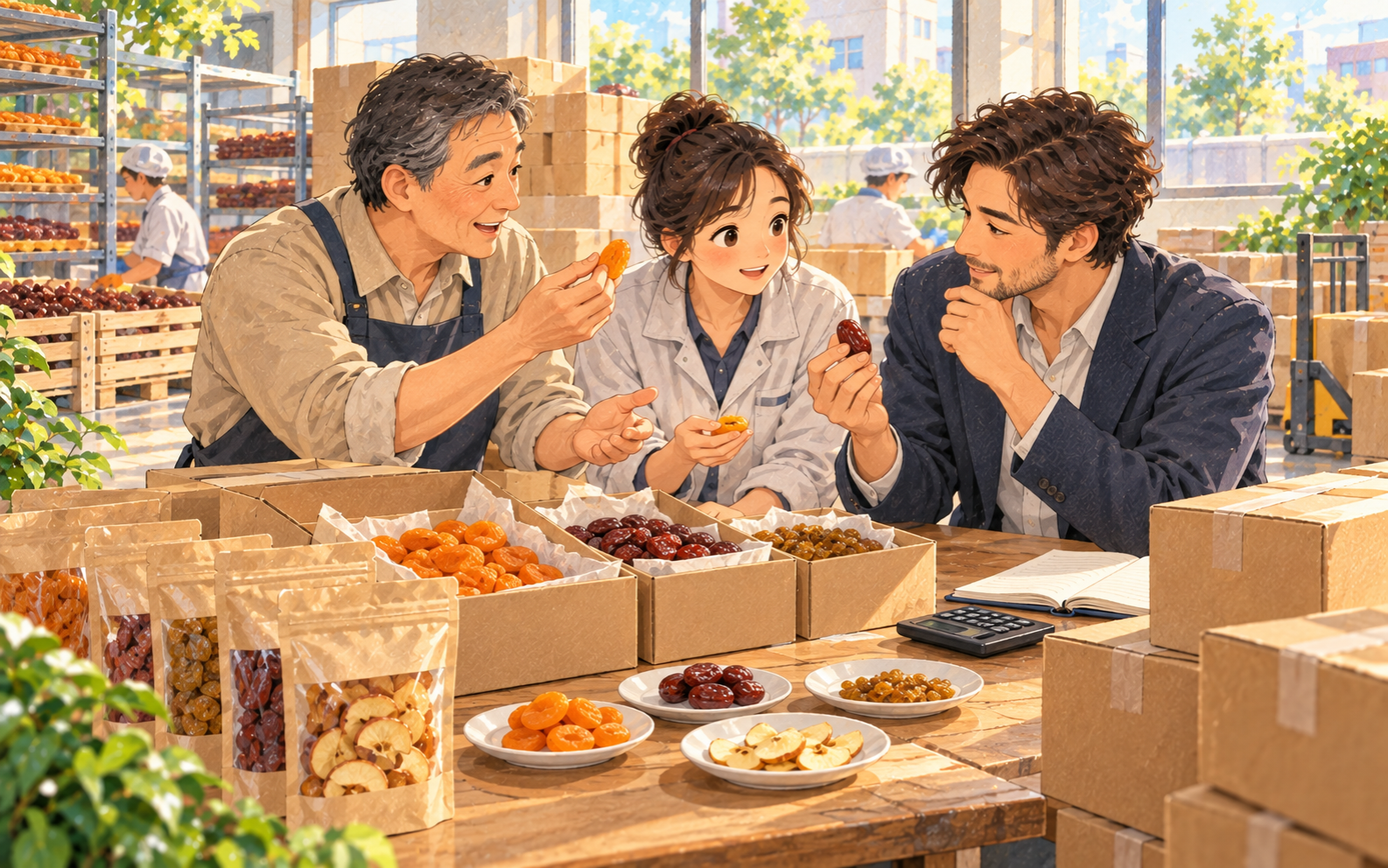
A food factory gradually enters an overseas market through cooperation, trial sales, and cost management.

A startup finds a better balance between costs and needed talent.
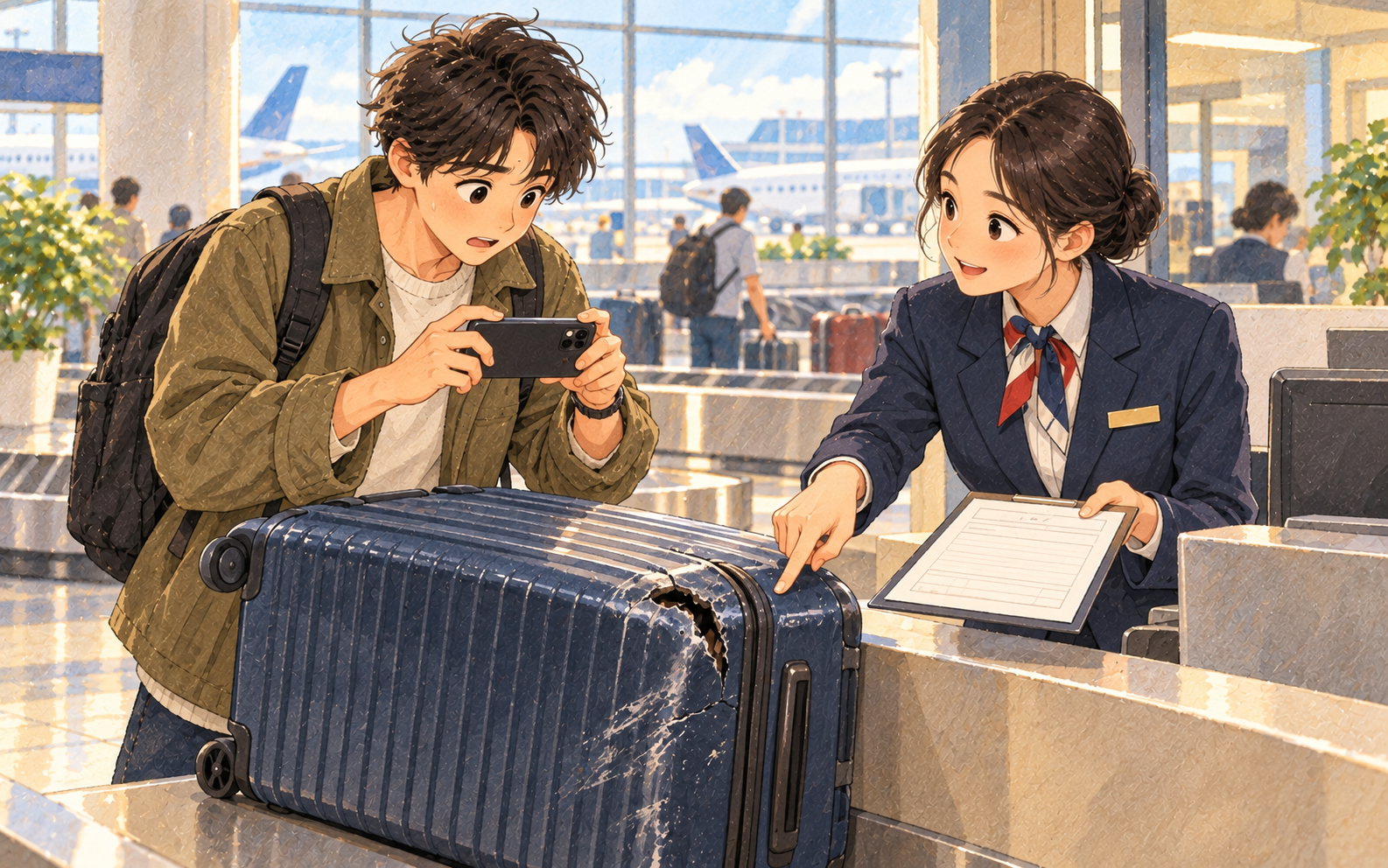
Zhou Ning preserves and supplements evidence to complete a travel-insurance claim.

The bamboo forest's recovery reveals the ecological links among water, insects, and animals.

The research team used a unified approach to collect citizen observation data and carefully interpret urban bird changes.
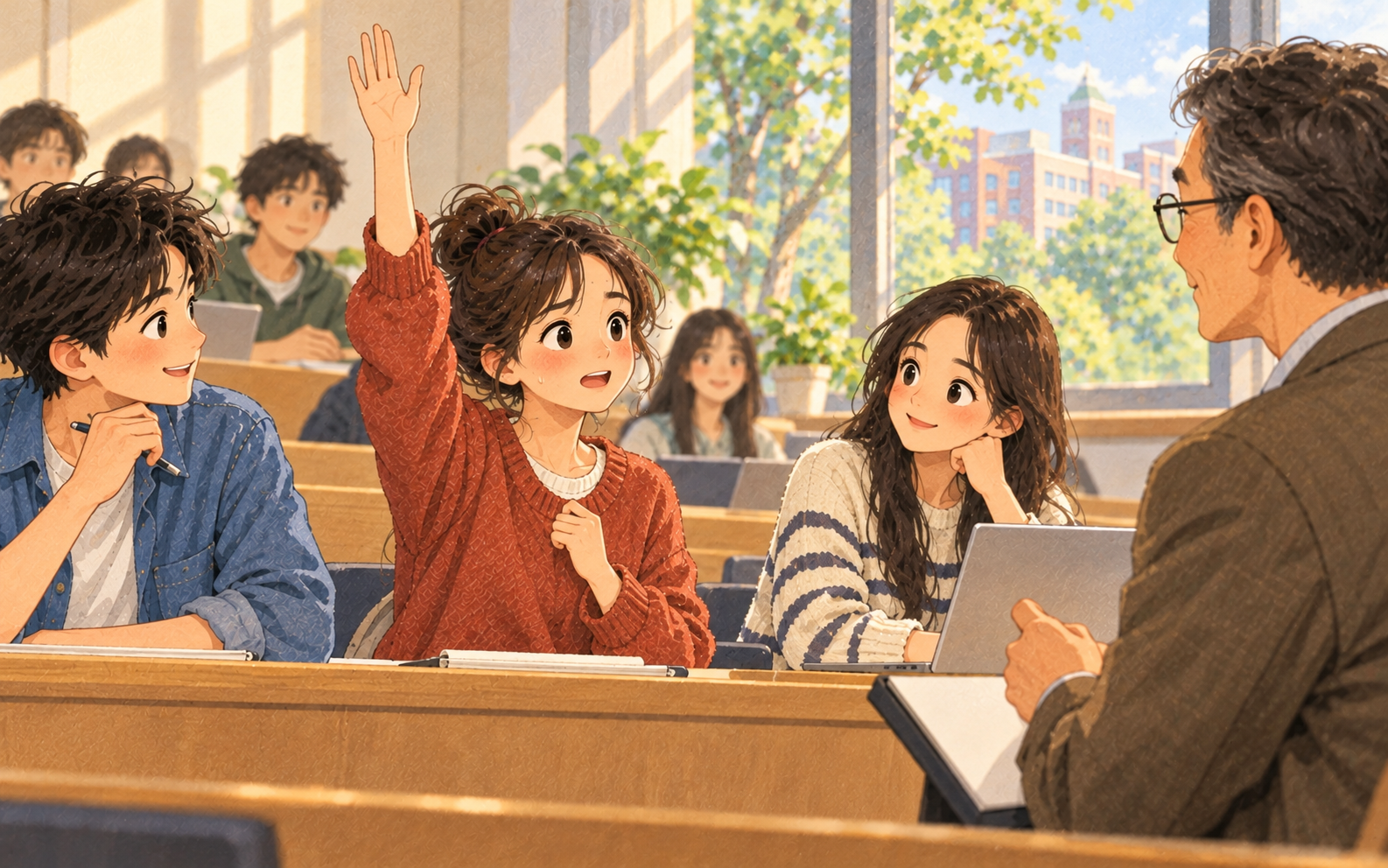
Gu Ning completed her first public academic speech by recording feedback, practicing in stages, and taking the initiative to try.

When Xiaohe compiled Dragon Boat Festival recipes, he discovered that the same festival food was cooked differently in different families, and incorporated personal memories into community exhibitions.
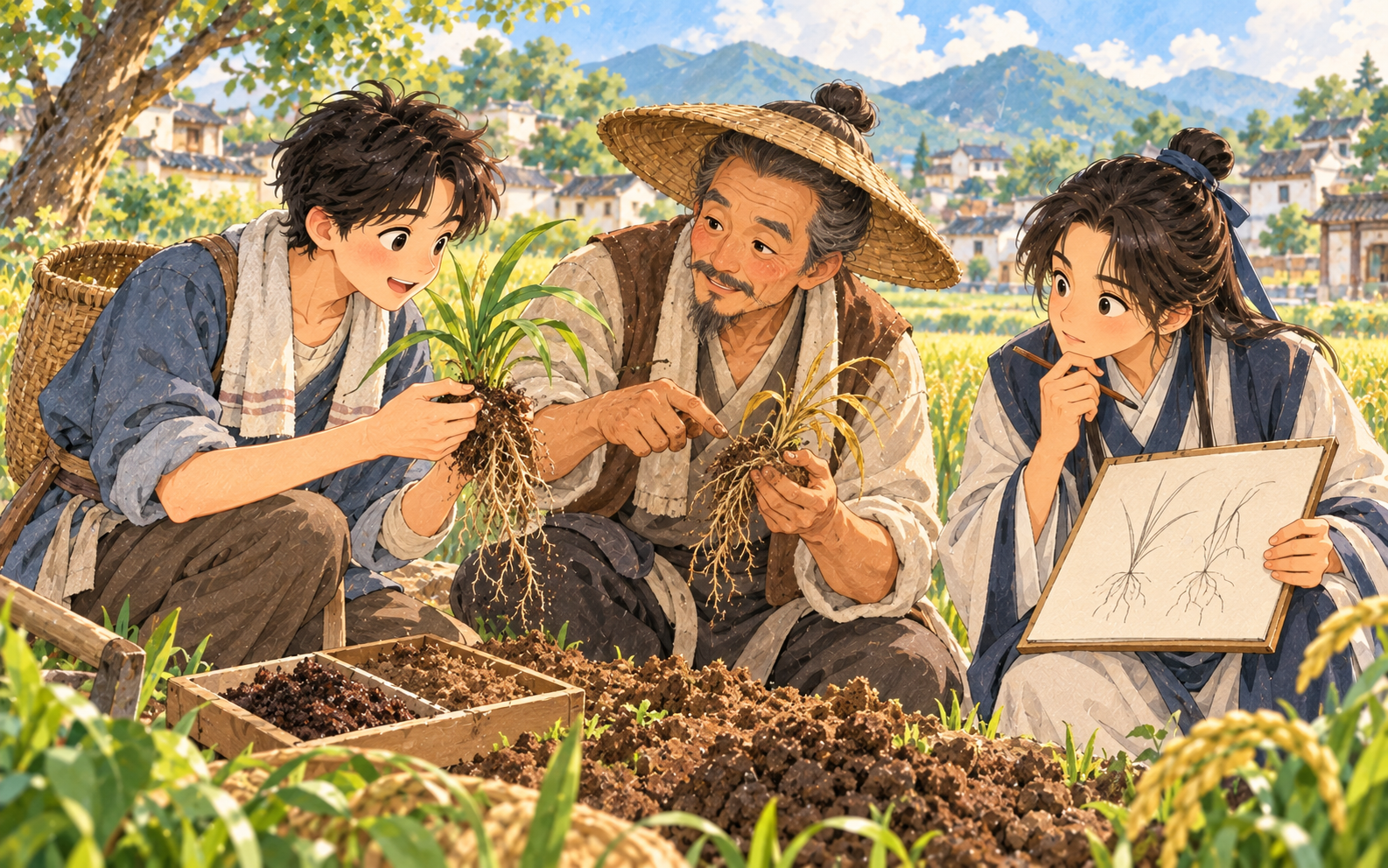
Ancient agricultural knowledge accumulated gradually through long observation, comparison, and records.
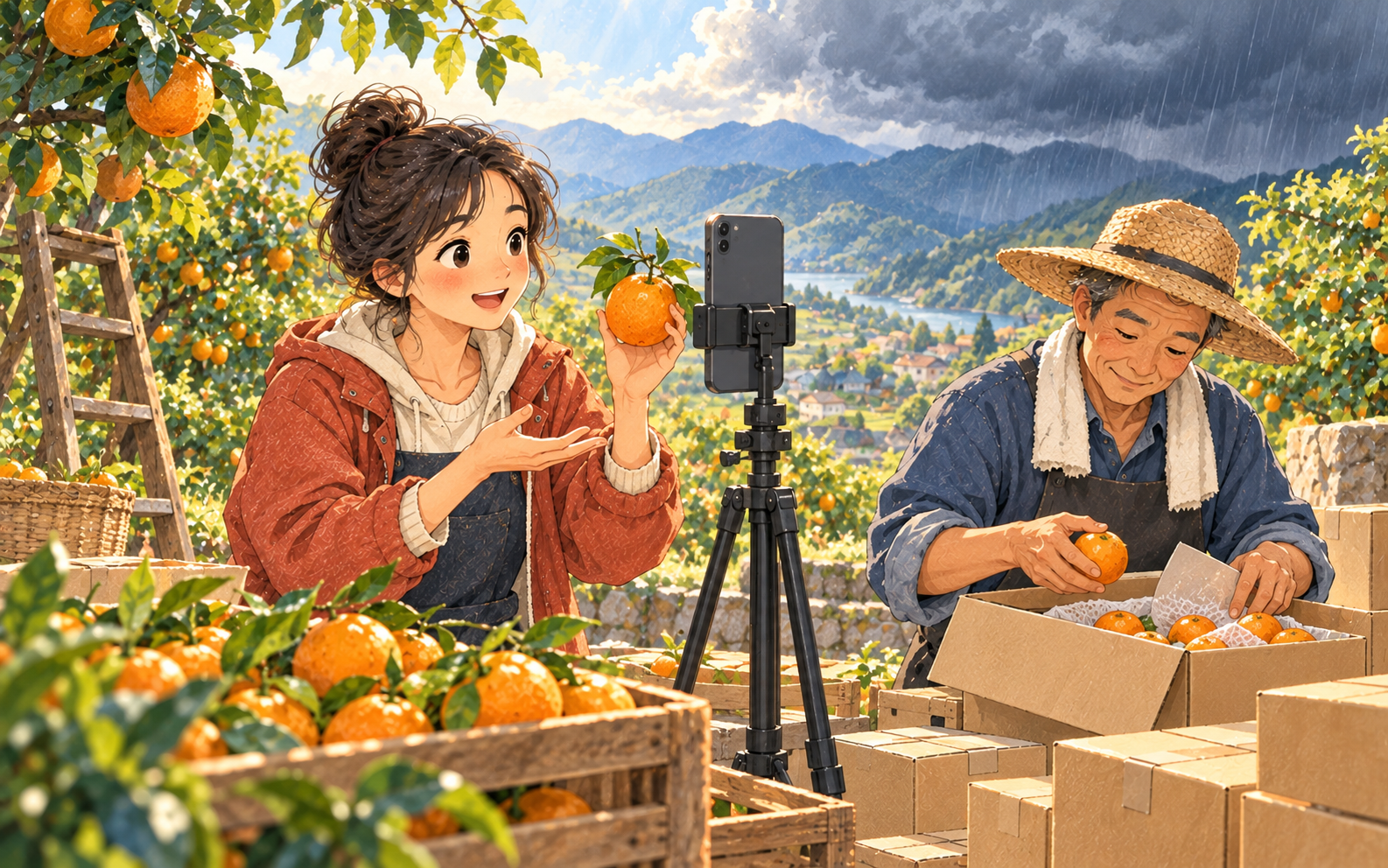
Rural cooperatives use live broadcasts to introduce product processes while building trust through real data and stable services.
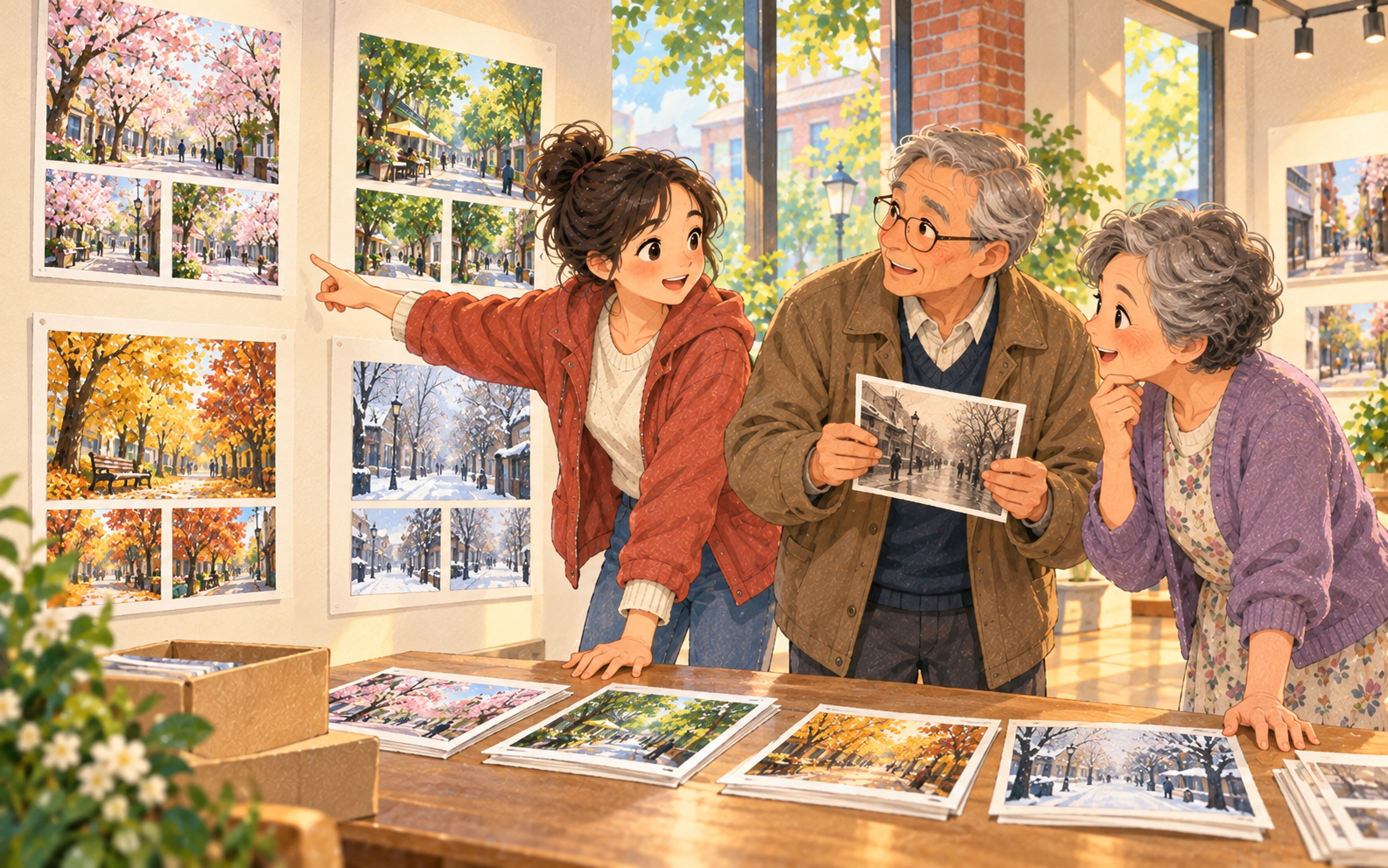
A community photo exhibition records changes in a street from ordinary people's perspectives and links residents' memories.
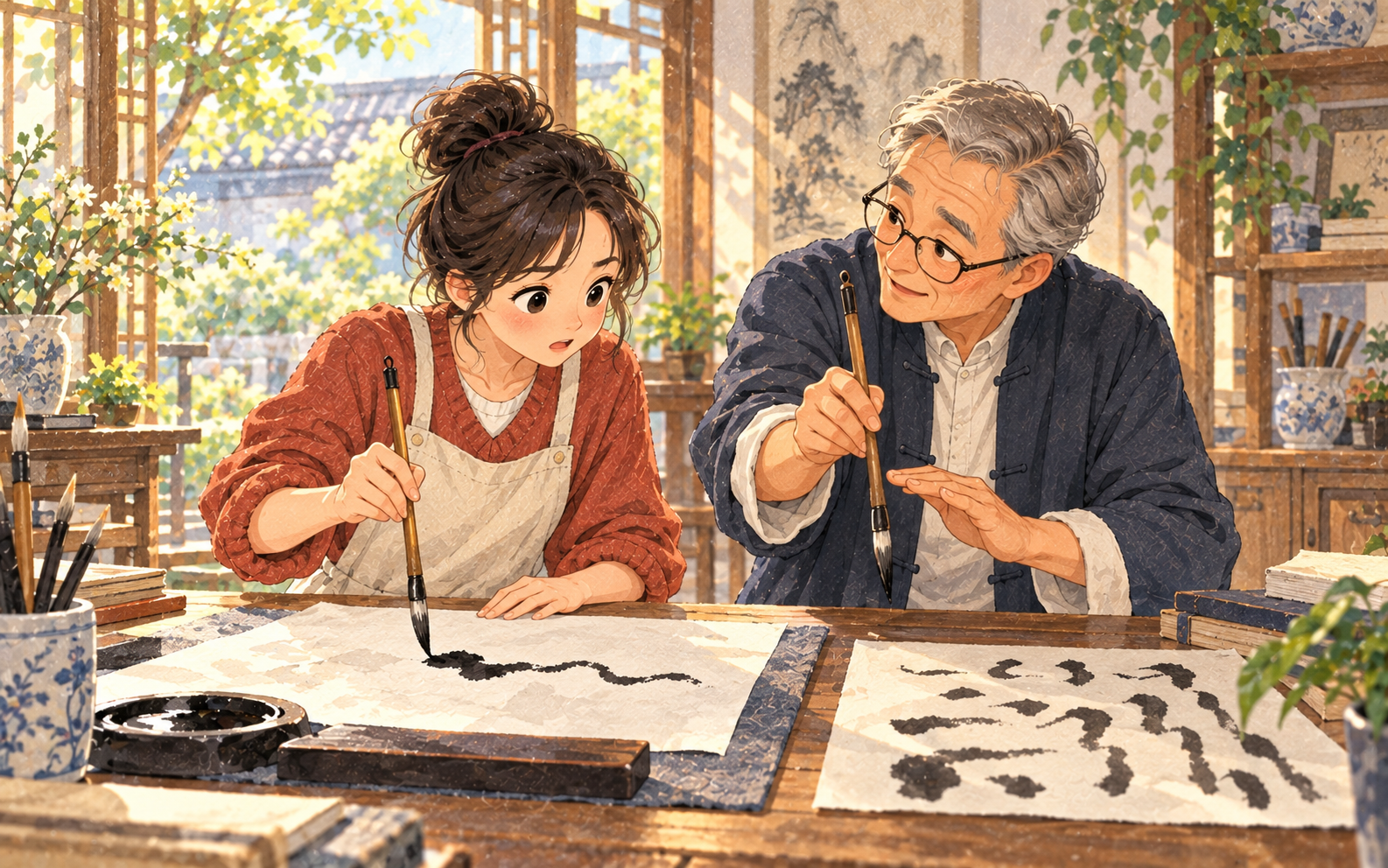
An Qi went from being anxious to finish a piece of work to understanding that "practice makes perfect" which emphasizes the process of continuous practice rather than immediate success.
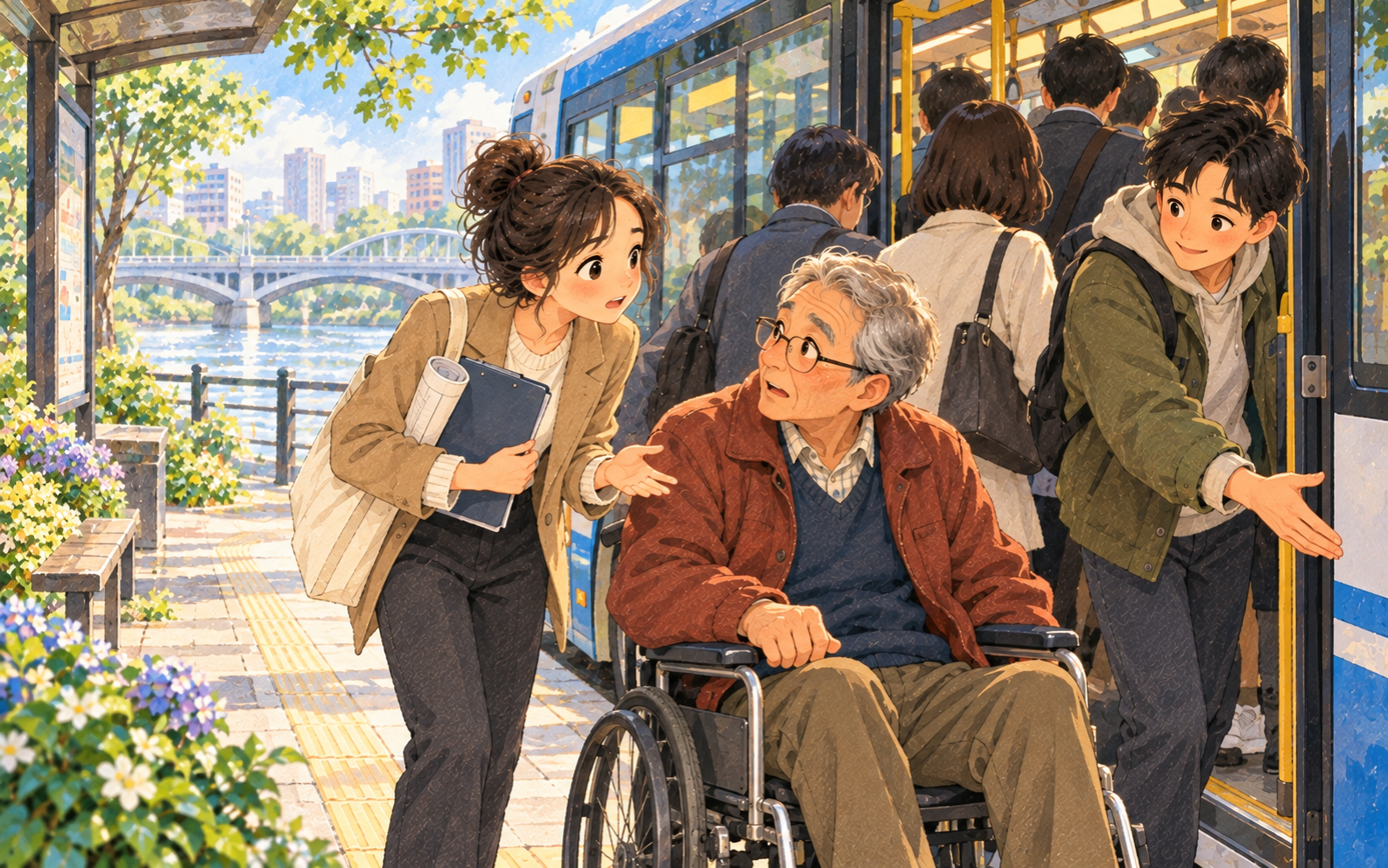
A new bus line improves residents' travel through continued observation and adjustment.
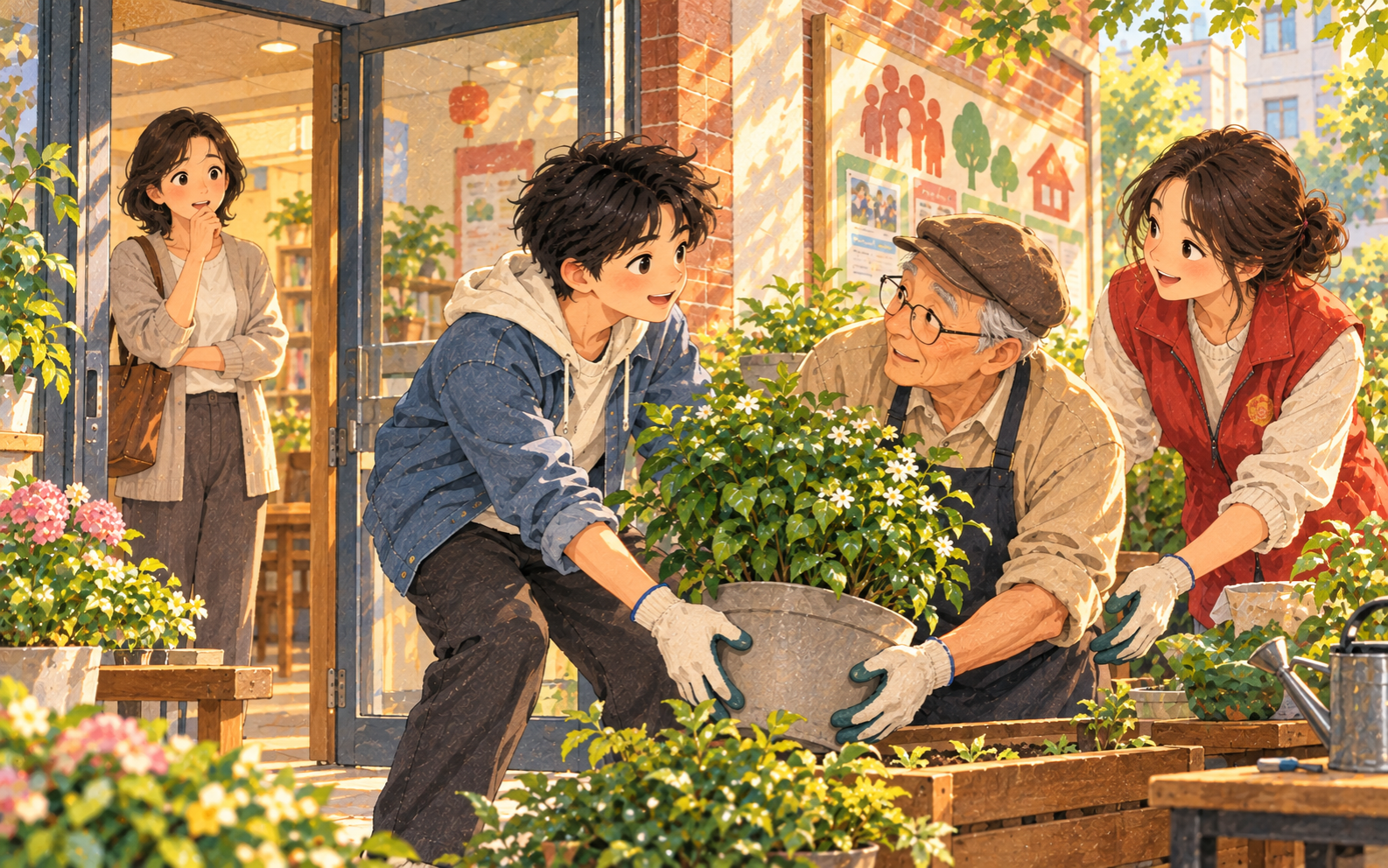
A school is working with the community to deliver a life skills program that gives students an understanding of responsibility and cooperation through real-life tasks.
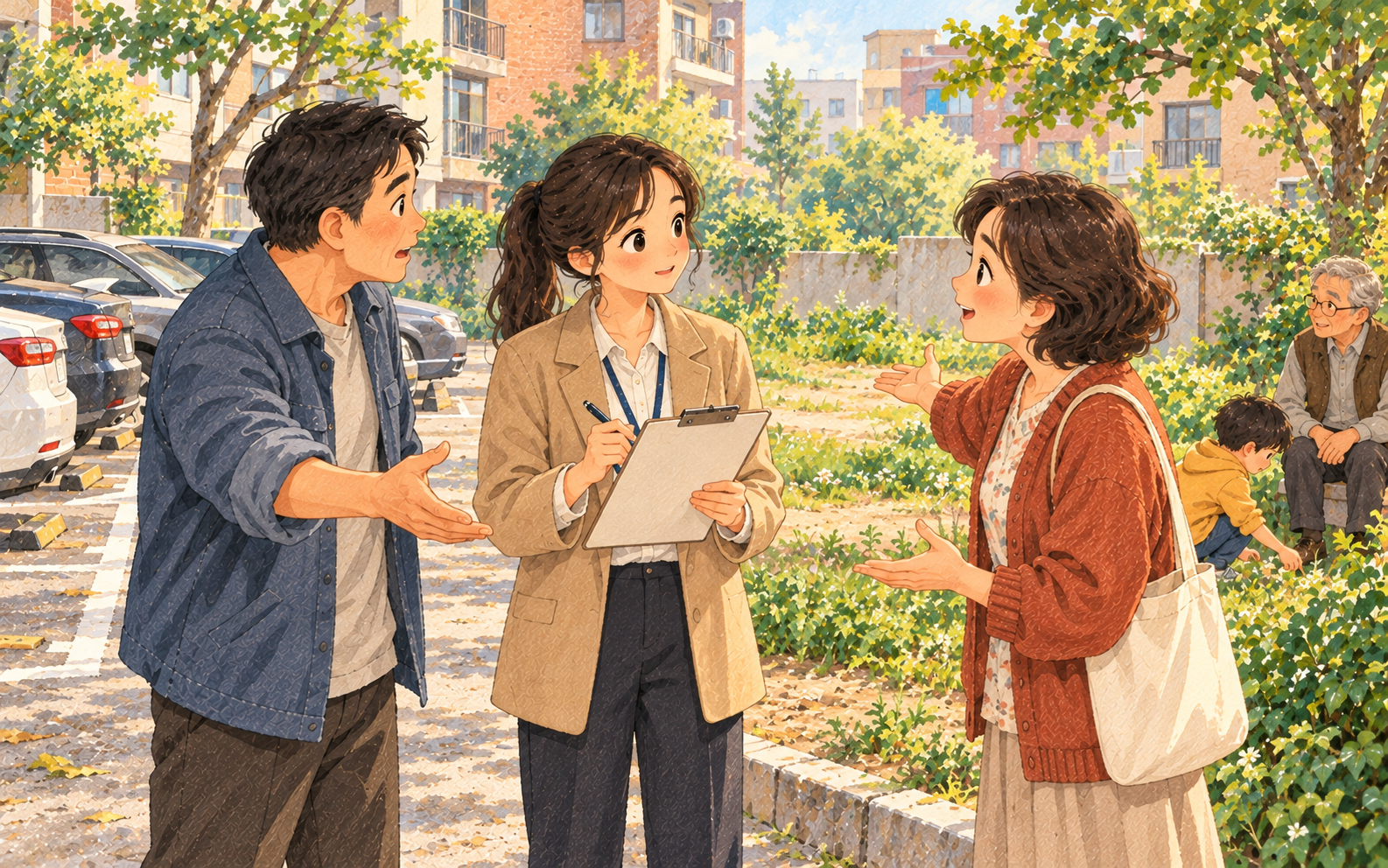
Residents move from arguing over parking and greenery to improving public space through a survey and a trial plan.

After living alone, university student Xiao Yu rethinks housework, parental reminders, and family responsibility.
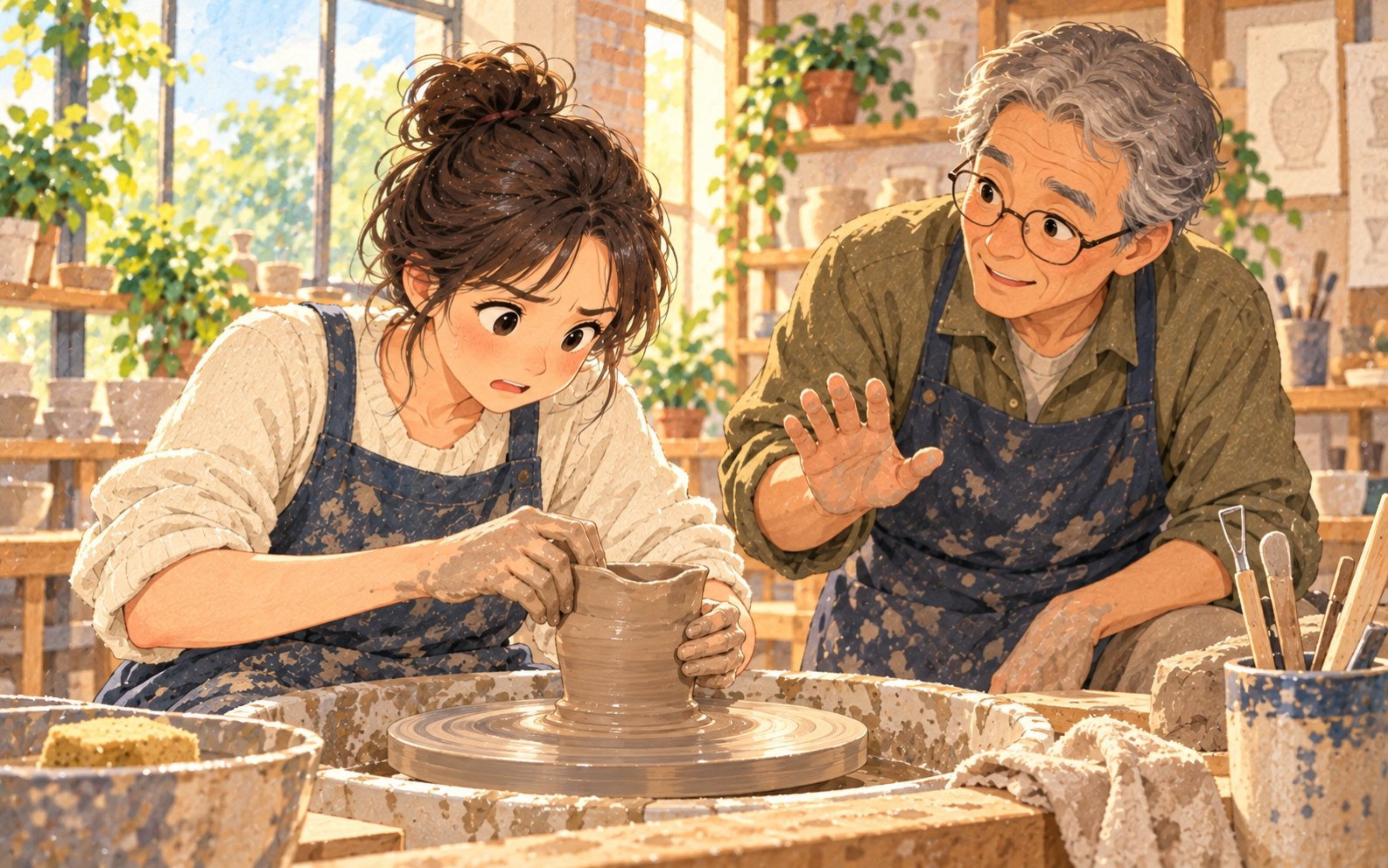
A failed first attempt at a clay cup helps Chen Chen rethink the meaning of craft and patience.

Xu Zhou started with the small task of organizing information, and gradually learned to communicate proactively, assume responsibility for the results, and be responsible for the complete project.

Zhang Qian's mission to the Western Regions reveals links among a historical person, individual action, and exchange in an era.

After checking the price and cancellation rules, Zhao Xin gave up the seemingly cheap but highly restrictive membership promotion.

A distance runner returns to consistent competition by adjusting training and recovery.
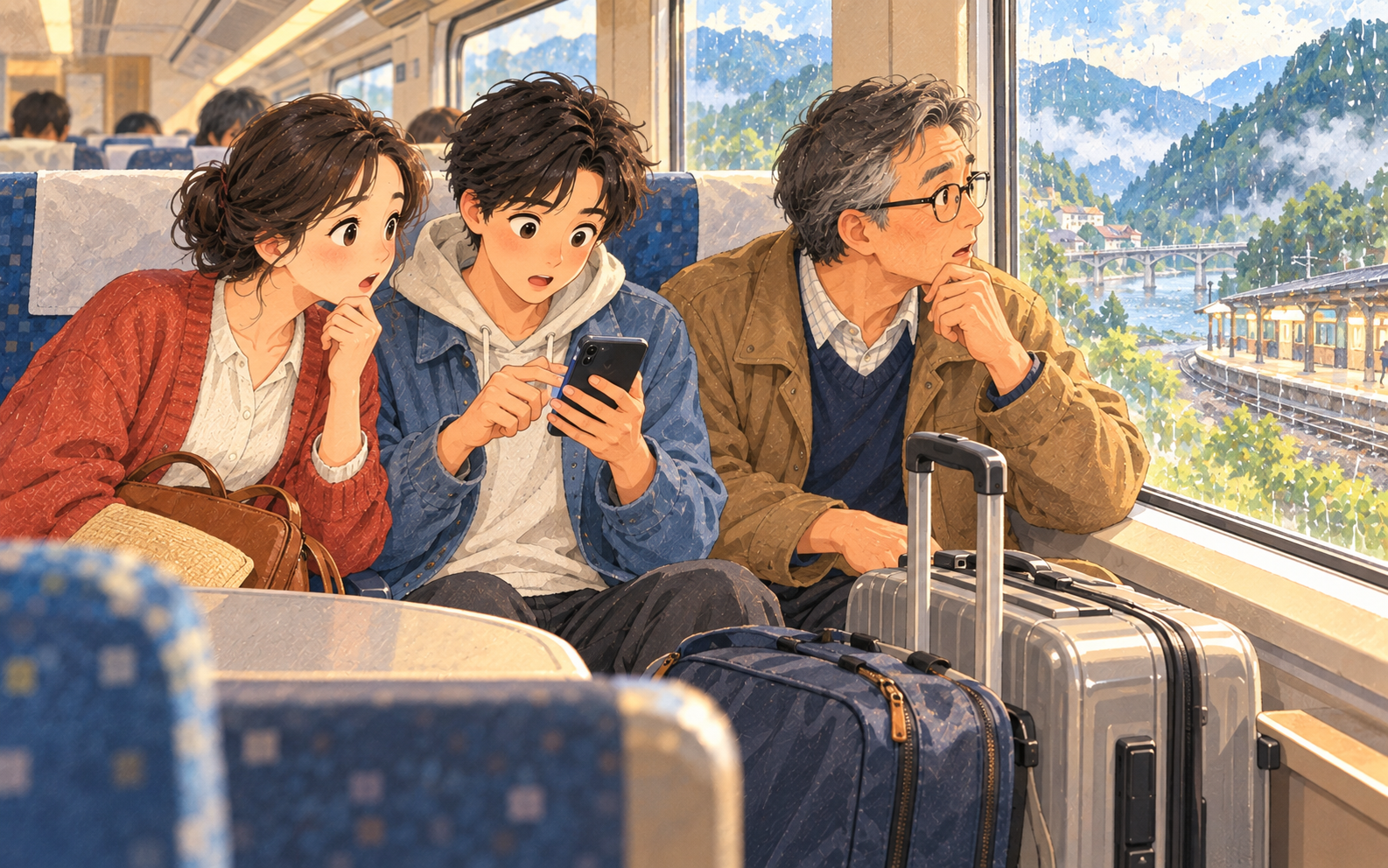
A delayed train forced the family to adjust their connection arrangements, but unexpectedly they got an easier journey.

Volunteer Zhou Ran adjusted the orientation activities based on the real difficulties of new students to make the information easier to understand and use.
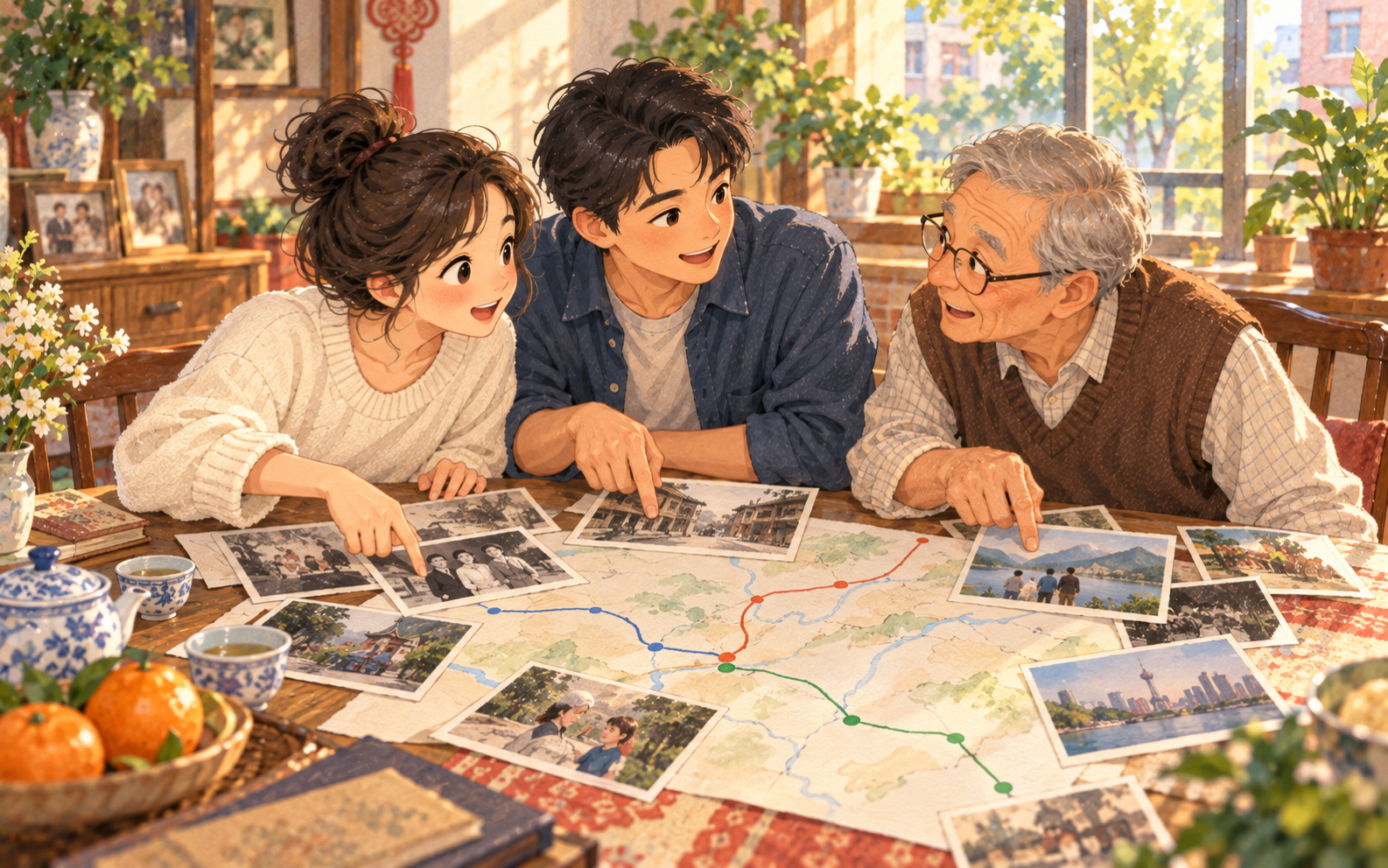
The residence, education and work experiences of the three generations reflect changes in population mobility and social opportunities, while also preserving family traditions.
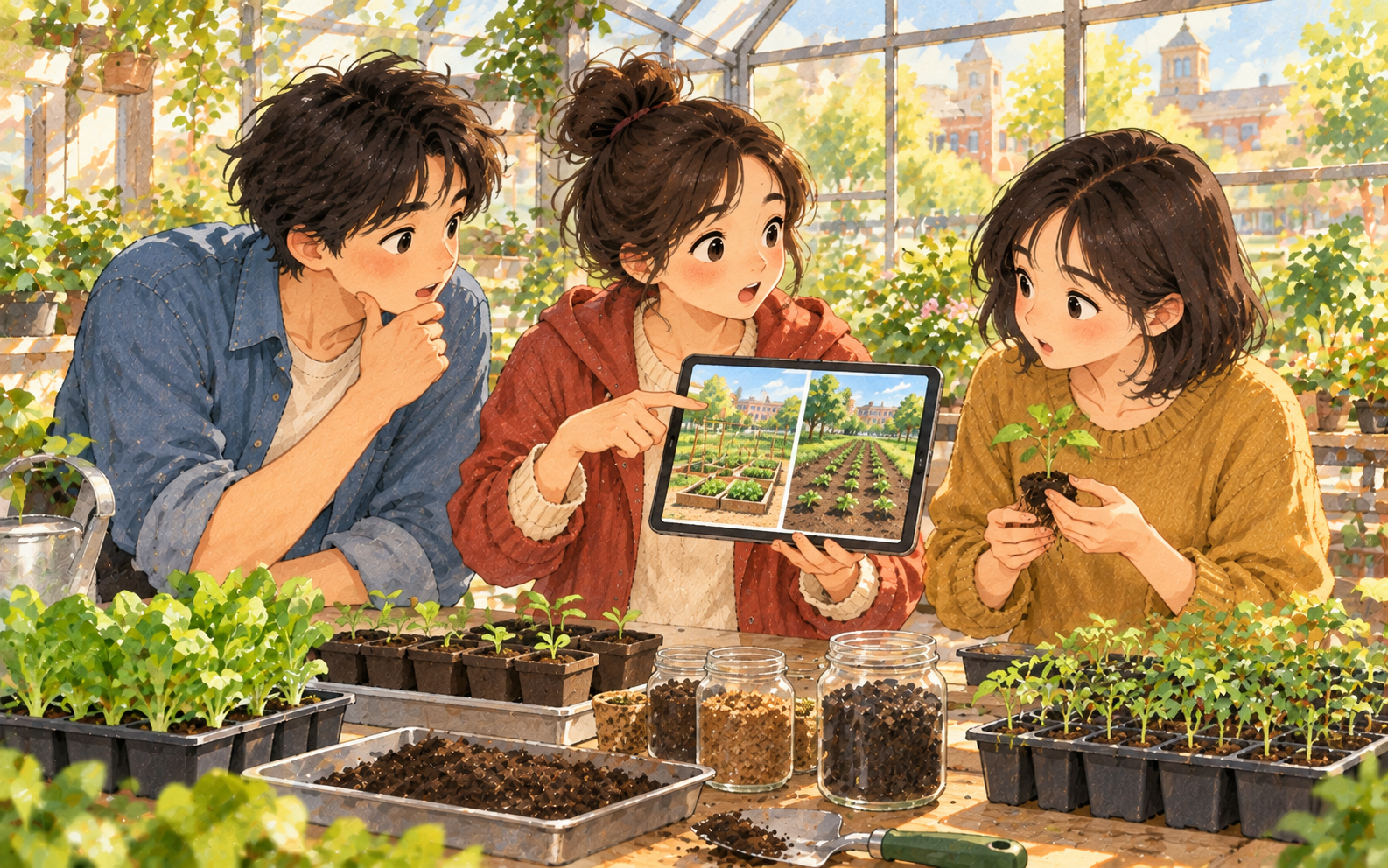
The two schools developed a long-term seed exchange program from one visit, building trust as they documented and solved problems together.
A young artisan responds to modern needs while preserving bamboo-weaving methods.
During an outdoor activity, companions provide calm first aid and call an ambulance in time, preventing further injury.
Urban communities use disaggregated data to adjust recycling programs, gradually reduce waste and improve public spaces.
A traveler listens to locals’ suggestions at a night market and tries snacks with ordinary ingredients but unique recipes.
A food factory gradually enters an overseas market through cooperation, trial sales, and cost management.
A startup finds a better balance between costs and needed talent.
Zhou Ning preserves and supplements evidence to complete a travel-insurance claim.
The bamboo forest's recovery reveals the ecological links among water, insects, and animals.
The research team used a unified approach to collect citizen observation data and carefully interpret urban bird changes.
Gu Ning completed her first public academic speech by recording feedback, practicing in stages, and taking the initiative to try.
When Xiaohe compiled Dragon Boat Festival recipes, he discovered that the same festival food was cooked differently in different families, and incorporated personal memories into community exhibitions.
Ancient agricultural knowledge accumulated gradually through long observation, comparison, and records.
Rural cooperatives use live broadcasts to introduce product processes while building trust through real data and stable services.
A community photo exhibition records changes in a street from ordinary people's perspectives and links residents' memories.
An Qi went from being anxious to finish a piece of work to understanding that "practice makes perfect" which emphasizes the process of continuous practice rather than immediate success.
A new bus line improves residents' travel through continued observation and adjustment.
A school is working with the community to deliver a life skills program that gives students an understanding of responsibility and cooperation through real-life tasks.
Residents move from arguing over parking and greenery to improving public space through a survey and a trial plan.
Xu Zhou started with the small task of organizing information, and gradually learned to communicate proactively, assume responsibility for the results, and be responsible for the complete project.
Zhang Qian's mission to the Western Regions reveals links among a historical person, individual action, and exchange in an era.
A distance runner returns to consistent competition by adjusting training and recovery.
A delayed train forced the family to adjust their connection arrangements, but unexpectedly they got an easier journey.
Volunteer Zhou Ran adjusted the orientation activities based on the real difficulties of new students to make the information easier to understand and use.
The two schools developed a long-term seed exchange program from one visit, building trust as they documented and solved problems together.